



Walk into most supermarkets and you’ll notice something odd once you start paying attention: almost everything is wrapped in plastic, even the things that don’t need to be. A bag of rice in a plastic sack, inside a paper box, inside more plastic for the shelf display. Naked Larder, a grocery refill service based in Herne Hill, South London, was built to challenge exactly that pattern — and it’s been doing it since 2018.
If you’re searching for sustainable shopping options in South London, or simply curious about how refill stores work and why they matter, here’s a full look at what Naked Larder offers, how it benefits the environment, and what you gain as a customer.
What Is Naked Larder?
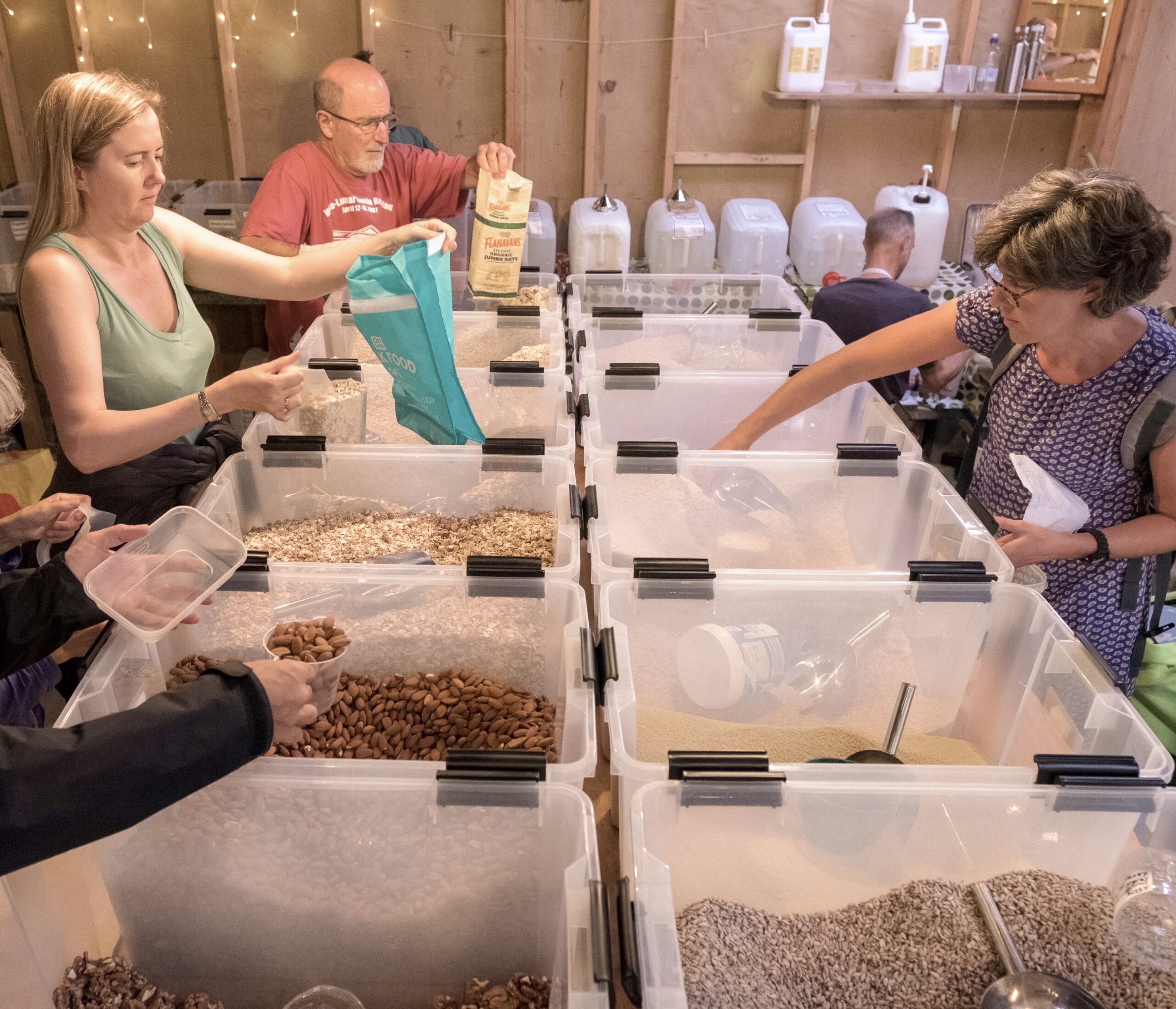
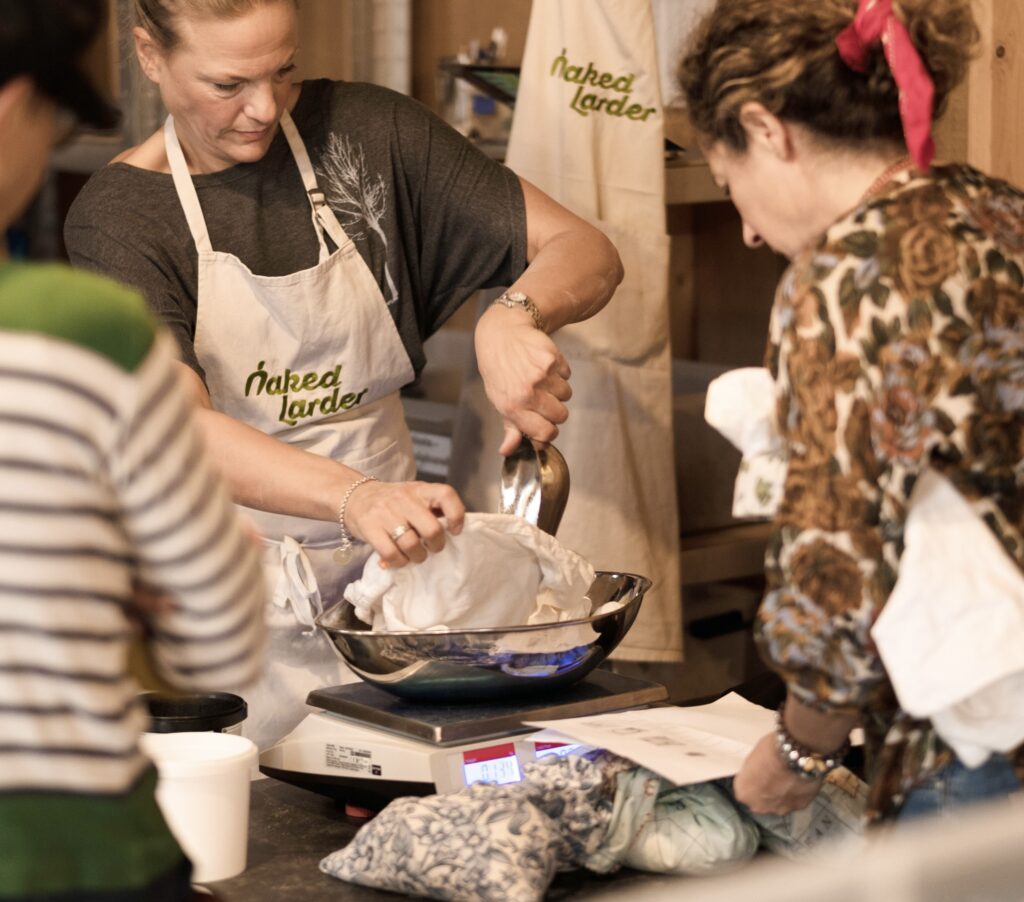
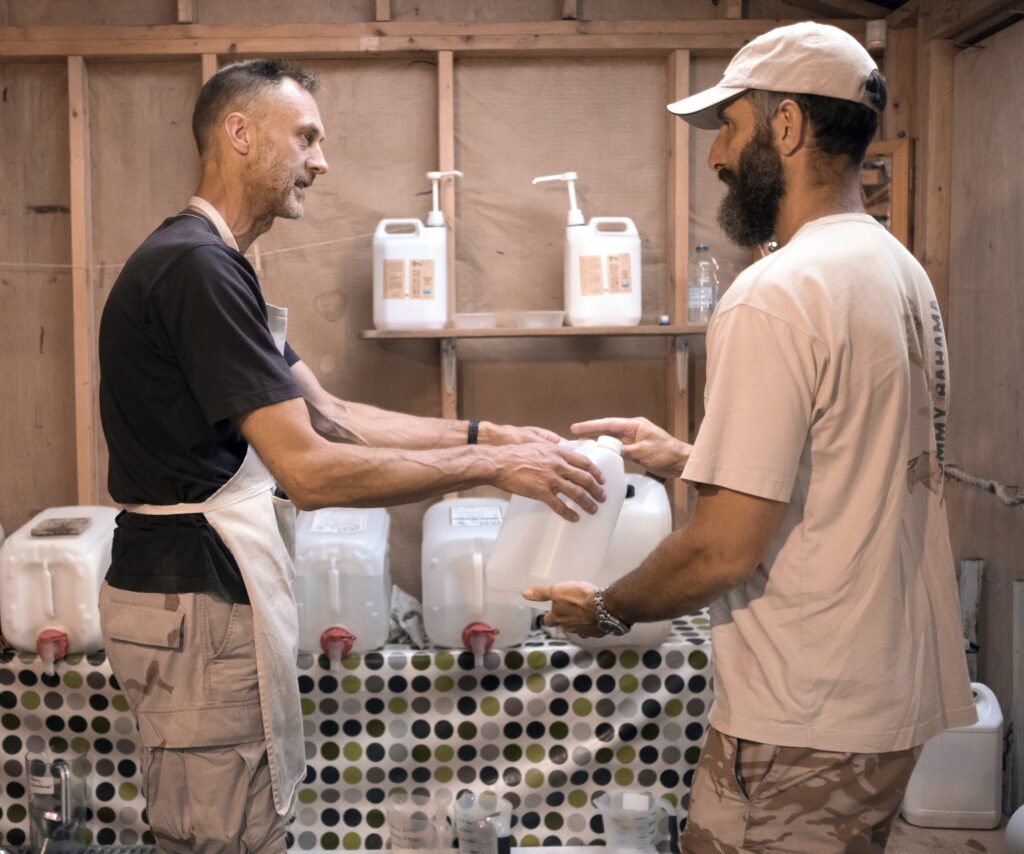
Naked Larder is a plastic and packaging-free grocery refill service that lets customers buy everyday essentials without the layers of single-use packaging that come with conventional supermarket shopping. The model is simple: customers order online, then collect their goods using their own reusable containers rather than taking home another bag, box, or jar destined for the bin.
The product range covers the staples most households buy every week: dry goods such as grains, cereals, pasta, nuts, pulses, beans, dried fruit, tea, and coffee, alongside eco-friendly cleaning products, personal care items, and even wine. Because Naked Larder buys in bulk and operates without the overheads of a traditional retail unit, prices stay competitive with supermarket own-brand products — so shoppers don’t have to choose between sustainability and value.
The business has been recognised by Ethical Consumer with a Community Best Buy label and has been featured in outlets including the Evening Standard, Euronews, and Southwark News for its role in South London’s zero-waste movement.
The Eco-Friendly Benefits of Shopping at Naked Larder
1. Drastically Less Single-Use Packaging
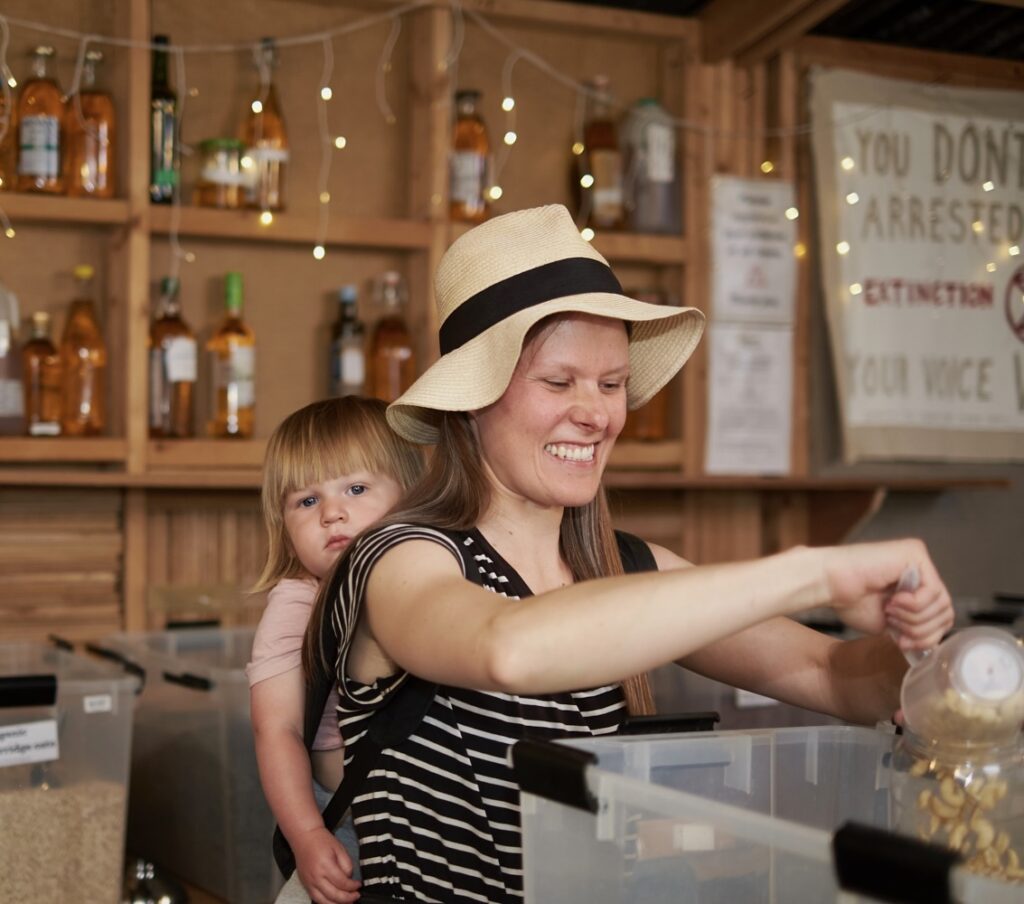
The core idea behind a refill shop is straightforward but powerful: when you bring your own container, no new packaging is created for that purchase. Multiply that across hundreds of customers refilling jars and tubs every month, and the packaging that never gets manufactured, shipped, or thrown away adds up quickly.
2. Bulk Buying Reduces Resource Use
Buying dry goods and cleaning products in bulk means fewer delivery trips, less packaging material per unit of product, and more efficient use of warehouse and transport space. This lowers the overall carbon footprint per item compared with individually packaged supermarket goods.
3. Encourages a Reuse Habit, Not Just a One-Time Fix
Because the model depends on customers bringing their own jars, bottles, and containers, it nudges shoppers toward a habit of reuse rather than recycling as an afterthought. Reuse sits higher on the waste hierarchy than recycling — it avoids the energy and resources needed to reprocess materials in the first place.
4. Ethically and Sustainably Sourced Products
Naked Larder selects suppliers based on ethical and sustainable sourcing practices, which extends the environmental benefit beyond packaging alone — touching on how the food and goods themselves are produced and traded.
5. Supports Local, Community-Based Retail
Operating from a home-based location in Herne Hill keeps the business rooted in its local community, reducing the long supply chains and large-format retail infrastructure associated with bigger supermarket chains.
Why This Matters for the Environment
Packaging waste, particularly single-use plastic, is one of the most visible and persistent forms of pollution. Plastic packaging often takes hundreds of years to break down, and much of it ends up in landfill or, worse, in waterways and oceans. Even when it is recycled, the process consumes energy and many plastics can only be downcycled a limited number of times before they’re no longer usable.
Refill shops like Naked Larder tackle this problem at the source — by removing the need for packaging in the first place rather than relying on customers to dispose of it responsibly afterward. This “upstream” approach to waste reduction is widely regarded by sustainability experts as more effective than recycling alone, because it prevents waste from being created rather than managing it after the fact.
There’s also a knock-on educational effect. Every time someone refills a jar instead of buying a packaged product, it reinforces a different way of thinking about consumption — one that treats packaging as a resource to be minimised, not an inevitable part of shopping.
Advantages of Using Naked Larder’s Products
Beyond the environmental case, there are practical reasons shoppers choose Naked Larder:
- Buy exactly what you need. Refill shopping lets you measure out the quantity you actually want, cutting down on food waste from oversized packaged portions.
- Competitive pricing. Operating without the high overheads of traditional retail premises allows Naked Larder to keep prices in line with supermarket own-brand products, so going plastic-free doesn’t mean paying a premium.
- Simple, predictable shopping. Online ordering followed by a monthly collection makes it easy to build a routine around refill shopping rather than treating it as a special, occasional errand.
- Quality and ethics, not just packaging. Because products are also chosen for ethical and sustainable sourcing, customers get a double benefit — less packaging waste and more responsibly produced goods.
How It Works
- Order online through Naked Larder’s website, choosing from their range of dry goods, cleaning products, personal care items, and more.
- Bring your own containers — jars, tubs, bottles, or bags you already own at home.
- Collect your order from the Herne Hill location (or other Naked Larder sites) and refill your containers.
- Repeat monthly, building a low-waste shopping routine that fits around your usual schedule.
FAQs About Naked Larder
Naked Larder is a plastic and packaging-free grocery refill service based in Herne Hill, South London, offering dry goods, eco-friendly cleaning products, personal care items, and wine through a refill model.
Customers place their order online and then collect it in person using their own reusable containers, avoiding the need for any new packaging.
No. Because Naked Larder buys in bulk and operates with lower overheads than a traditional retail store, prices are kept competitive with supermarket own-brand products.
he range includes grains, cereals, pasta, nuts, pulses, beans, dried fruit, tea, coffee, eco-friendly cleaning products, personal care items, and wine.
No special containers are required — any clean jar, tub, bottle, or bag you already have at home will work.
The original location is in Herne Hill, South London, with additional locations including Sidmouth.
Reducing packaging at the point of purchase prevents waste from being created in the first place, which is generally more effective than relying on recycling after the fact. It also encourages habits of reuse, which use fewer resources than single-use alternatives.
Visit Naked Larder’s website to register with your nearest location and place your first online order.
Final Thoughts
Naked Larder is a clear example of how rethinking a single part of the shopping experience — packaging — can ripple outward into bigger environmental gains: less plastic waste, lower resource use, and a community of shoppers building reuse into their everyday routines. For anyone in South London looking to cut down on household waste without overhauling their entire grocery list, it’s a practical and accessible place to start.
Ready to ditch the plastic? Visit Naked Larder’s website to register and place your first refill order, or check out their full Sustainable Talks listing for more details. Want to explore more eco-friendly, packaging-free options near you? Browse the Sustainable Talks directory for more sustainable businesses making a difference.
Author: Sustainable Talks
Talk Green. Think Change. Act Sustainably. 🌍 Ideas, stories & actions for a greener future.