




Plastic pollution has become one of the most visible environmental challenges of our time. From clogged waterways to overflowing landfills, single-use plastic grocery bags play a significant role in environmental degradation. As awareness grows across the USA and UK, more households are making the switch to Reusable Grocery Bags—a simple yet powerful step toward an eco-friendly and sustainable lifestyle.
Switching to reusable grocery bags is not just a trend; it’s a responsible choice that benefits the planet, saves money, and supports healthier communities. In this guide, we’ll explore why reusable grocery bags are eco-friendly, their advantages, how to clean them properly, and why tote bags are considered one of the best options for grocery shopping.
Why Reusable Grocery Bags Are Eco-Friendly
1. Reducing Plastic Waste
Single-use plastic bags are often used for just a few minutes but can persist in the environment for hundreds of years. Reusable grocery bags significantly reduce the demand for disposable plastics, helping cut down waste that ends up in landfills and oceans.
In both the USA and UK, local governments and retailers are actively encouraging reusable alternatives through plastic bag bans or charges. By adopting reusable grocery bags, consumers directly contribute to reducing plastic pollution.
2. Lower Carbon Footprint Over Time
While reusable bags may require more resources to produce initially, their environmental impact is far lower when used repeatedly. A reusable bag used hundreds of times offsets the energy and materials used in its manufacturing, making it a far more sustainable option compared to single-use plastic or paper bags.
3. Protecting Wildlife and Ecosystems
Plastic bags often escape waste management systems and end up in rivers, parks, and oceans. Wildlife can mistake plastic for food or become entangled in it, leading to injury or death. Eco-friendly reusable grocery bags help prevent this harm by reducing plastic leakage into natural ecosystems.
Advantages of Reusable Grocery Bags
1. Durability and Strength
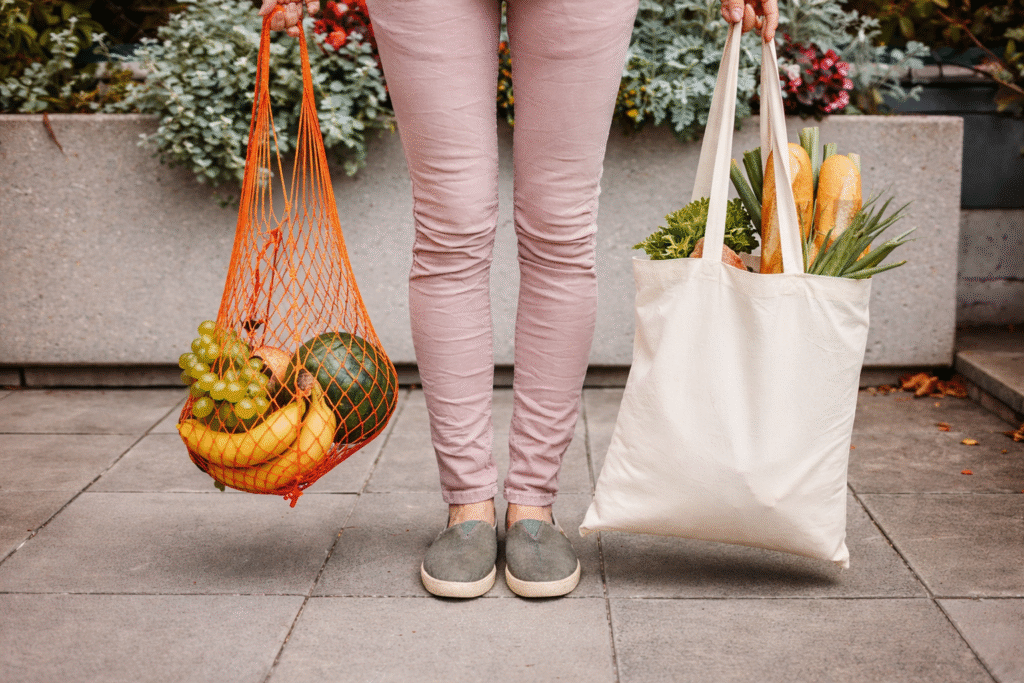
Reusable grocery bags are designed to carry heavier loads without tearing. Whether made from cotton, canvas, jute, or recycled materials, these bags can handle multiple grocery trips with ease—ideal for weekly shopping in supermarkets across the USA and UK.
2. Cost-Effective in the Long Run
Many stores now charge for single-use bags. By investing once in reusable grocery bags, shoppers avoid these recurring costs. Over time, reusable bags pay for themselves while supporting an eco-friendly lifestyle.
3. Versatility Beyond Groceries
Reusable bags aren’t limited to grocery shopping. They’re perfect for farmers’ markets, beach trips, picnics, work essentials, and even travel. Tote-style reusable bags, in particular, offer flexibility and everyday convenience.
4. Stylish and Customizable
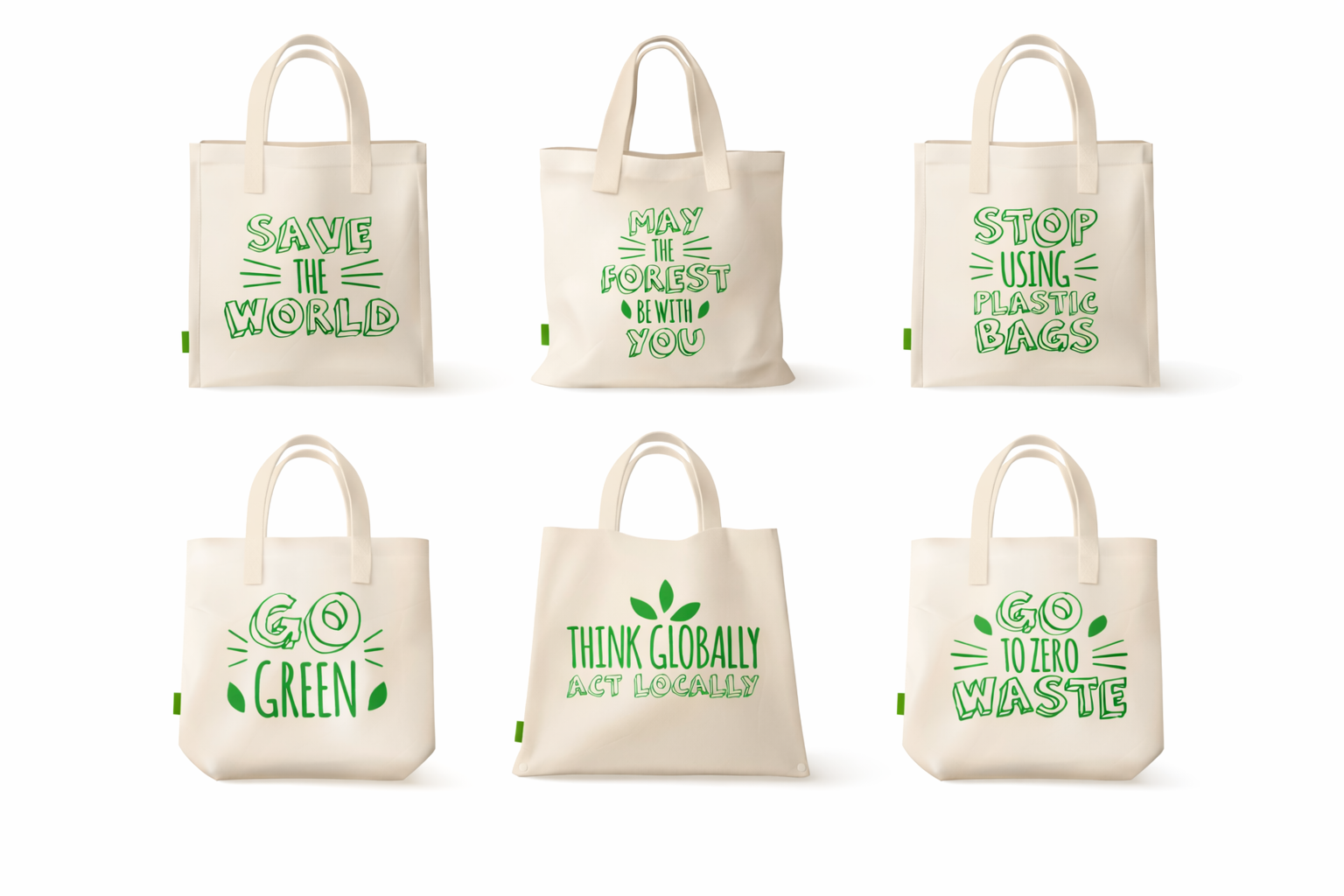
Modern reusable grocery bags come in a wide variety of designs, colors, and sizes. From minimalist canvas totes to bold, printed bags, they allow shoppers to express personal style while making a sustainable choice.
5. Supporting Sustainable Habits
Using reusable grocery bags encourages mindfulness about consumption. It often leads to other eco-conscious habits such as buying local produce, reducing food waste, and choosing environmentally responsible products.
Why Tote Bags Are the Best Option for Grocery Shopping
1. Practical Design and Comfort
Tote bags are one of the most popular forms of reusable grocery bags—and for good reason. Their open-top design, wide handles, and spacious interiors make loading and unloading groceries easy. Many totes fit comfortably over the shoulder, making them ideal for walking, cycling, or public transport—especially common in UK cities.
2. Made from Eco-Friendly Materials
Most tote bags are crafted from eco-friendly materials such as organic cotton, canvas, jute, or recycled fabrics. These materials are biodegradable or recyclable, aligning perfectly with sustainable living goals.
3. Long Lifespan and Reusability
A high-quality tote bag can last for years with proper care. The longer you use it, the lower its environmental impact becomes. This longevity is what makes tote bags one of the most sustainable grocery bag options available.
4. Easy to Store and Carry
Tote bags are lightweight and foldable, making them easy to keep in a car, backpack, or handbag. Having one on hand reduces the temptation to use disposable bags when making unplanned shopping trips.
How to Clean Your Reusable Grocery Bag
Keeping reusable grocery bags clean is essential for hygiene and food safety—especially when carrying fresh produce, meat, or dairy products.
1. Check the Care Label
Always start by reading the manufacturer’s care instructions. Different materials require different cleaning methods.
2. Washing Cotton and Canvas Bags
Most cotton or canvas tote bags can be machine-washed using warm water and mild detergent. Air-drying is recommended to prevent shrinkage and extend the bag’s lifespan.
3. Cleaning Insulated or Synthetic Bags
Insulated or synthetic reusable grocery bags should be cleaned with a damp cloth and mild soap. Some are machine-washable, but it’s best to avoid high heat.
4. Frequency of Cleaning
- Wash bags used for raw meat or produce after every use
- Clean general grocery bags once every 1–2 weeks
- Always dry bags completely before storing to prevent mold
Regular cleaning ensures your reusable grocery bags remain safe, fresh, and long-lasting.
Reusable Grocery Bags and Sustainable Living

Switching to reusable grocery bags is often the gateway to a more sustainable lifestyle. It’s a small, manageable habit that delivers visible environmental benefits. In both the USA and UK, consumers are increasingly aware that everyday choices—like the bag you carry groceries in—can have a lasting impact on the planet.
Reusable grocery bags symbolize responsibility, environmental awareness, and commitment to a greener future. They support global efforts to reduce waste, conserve resources, and promote eco-friendly alternatives in daily life.
Frequently Asked Questions (FAQs)
1. Are reusable grocery bags really eco-friendly?
Yes. When used multiple times, reusable grocery bags significantly reduce plastic waste and overall environmental impact, making them an eco-friendly alternative to single-use bags.
2. How many times should a reusable grocery bag be used?
Most reusable bags offset their environmental footprint after 20–100 uses, depending on material. The more you use them, the more sustainable they become.
3. Are tote bags strong enough for groceries?
Absolutely. Tote bags made from canvas, cotton, or jute are designed to carry heavy grocery loads and are among the most durable reusable grocery bags.
4. Can reusable grocery bags be recycled?
Many reusable bags made from natural fibers are biodegradable, while others made from recycled plastics can often be recycled at the end of their lifespan—check local recycling guidelines in the USA or UK.
5. How do I remember to bring reusable grocery bags?
Keep them in your car, backpack, or near your front door. Foldable tote bags are especially convenient for spontaneous shopping trips.
6. Are reusable grocery bags better than paper bags?
Yes. While paper bags are recyclable, they still require significant energy and water to produce. Reusable grocery bags outperform both plastic and paper bags in long-term eco-friendly impact.
Final Thoughts
Switching to Reusable Grocery Bags is one of the easiest and most effective steps toward an eco-friendly, sustainable lifestyle. Whether you live in the USA or the UK, reusable bags—especially versatile tote bags—offer durability, style, cost savings, and environmental benefits.
By choosing reusable grocery bags, you’re not just carrying groceries—you’re carrying a commitment to a cleaner planet, healthier communities, and a more sustainable future. 🌱

Author: Sustainable Talks
Talk Green. Think Change. Act Sustainably. 🌍 Ideas, stories & actions for a greener future.