






As households around the world look for smarter ways to cut energy costs and reduce their carbon footprint, heat pump installation has emerged as one of the most effective and environment-friendly solutions. Heat pumps offer a highly efficient alternative to traditional heating and cooling systems, helping homeowners save energy while supporting a more sustainable lifestyle. When combined with renewable technologies such as solar panels and a home battery, heat pumps become an even more powerful tool for long-term energy independence and environmental protection.
This guide explores how heat pumps work, how they help save energy, and why they are considered one of the best choices for sustainable living.
What Is a Heat Pump and How Does It Work?
A heat pump is an energy-efficient system that transfers heat rather than generating it. Instead of burning fossil fuels, it moves heat from the air, ground, or water into your home during winter and reverses the process during summer to provide cooling. This method requires significantly less electricity compared to conventional heating systems.
Modern heat pump installation options include air-source, ground-source, and water-source heat pumps, each designed to operate efficiently in different environments. Because they rely on renewable heat already present in nature, heat pumps consume less energy while delivering consistent indoor comfort.
How Heat Pump Installation Helps Save Energy
One of the biggest advantages of heat pump installation is energy efficiency. Heat pumps can deliver up to three or four units of heat for every unit of electricity used. This high efficiency translates directly into lower energy consumption and reduced utility bills.
Unlike traditional boilers or furnaces that lose energy through combustion and exhaust, heat pumps operate with minimal waste. By using electricity more effectively, they reduce dependence on fossil fuels and help homeowners save energy year after year. Over time, the reduced operating costs can offset the initial installation expense, making heat pumps a smart long-term investment.
Heat Pumps and Sustainable Living
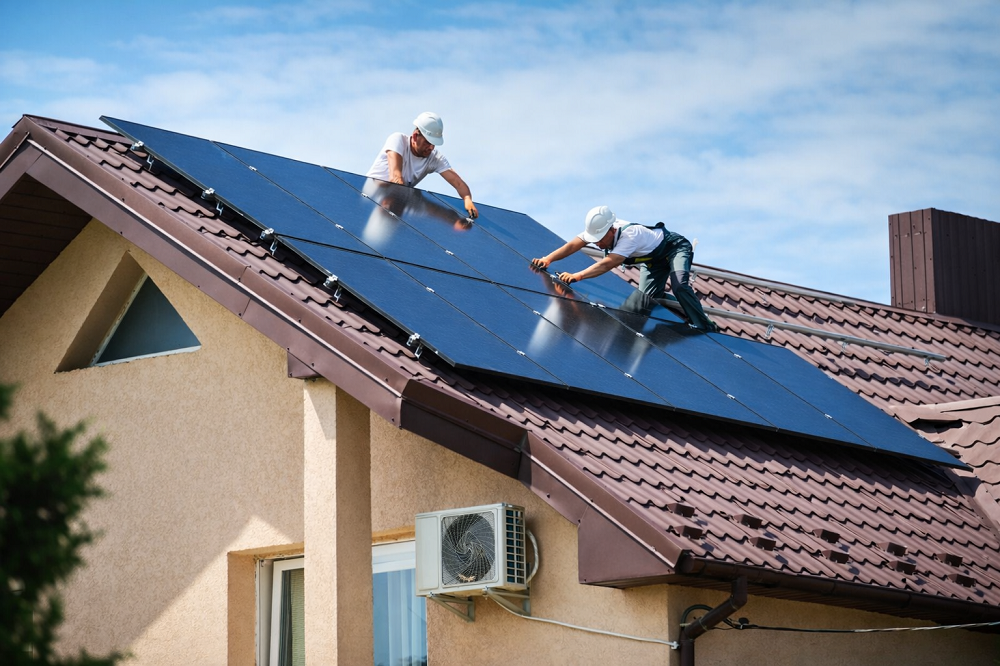
Heat pumps are widely recognized as one of the best solutions for sustainable living. Because they use renewable heat from the environment, they produce far fewer greenhouse gas emissions than gas or oil-based systems. This makes them an excellent choice for households aiming to lower their environmental impact.
Sustainable living is about making choices that protect natural resources while maintaining comfort and quality of life. Heat pumps align perfectly with this goal by offering clean, efficient heating and cooling without compromising performance. By switching to a heat pump, homeowners actively contribute to climate change mitigation and energy conservation.
Environmental Advantages of Heat Pump Installation
The environmental benefits of heat pumps extend beyond energy savings. Traditional heating systems release carbon dioxide and other harmful pollutants into the atmosphere. Heat pumps, on the other hand, rely primarily on electricity and renewable heat sources, dramatically reducing emissions.
As electricity grids continue to shift toward renewable energy, the environmental advantages of heat pumps become even greater. When powered by clean energy, heat pumps can operate with near-zero carbon emissions. This makes them a future-proof solution for eco-conscious households and communities.
Pairing Heat Pumps with Solar Panels and a Home Battery
To maximize energy efficiency and sustainability, many homeowners choose to install solar panels and a home battery alongside their heat pump system. Solar panels generate clean electricity from sunlight, while a home battery stores excess energy for later use.
When combined with heat pump installation, this setup allows households to power their heating and cooling system using renewable energy. During sunny periods, solar panels can supply electricity directly to the heat pump. Any surplus energy can be stored in the home battery and used at night or during high-demand periods.
This integrated system reduces reliance on the grid, lowers electricity bills, and further minimizes environmental impact. It also provides greater energy security, protecting homeowners from rising energy prices and power outages.
Why Heat Pumps Are the Best Choice for Sustainable Homes
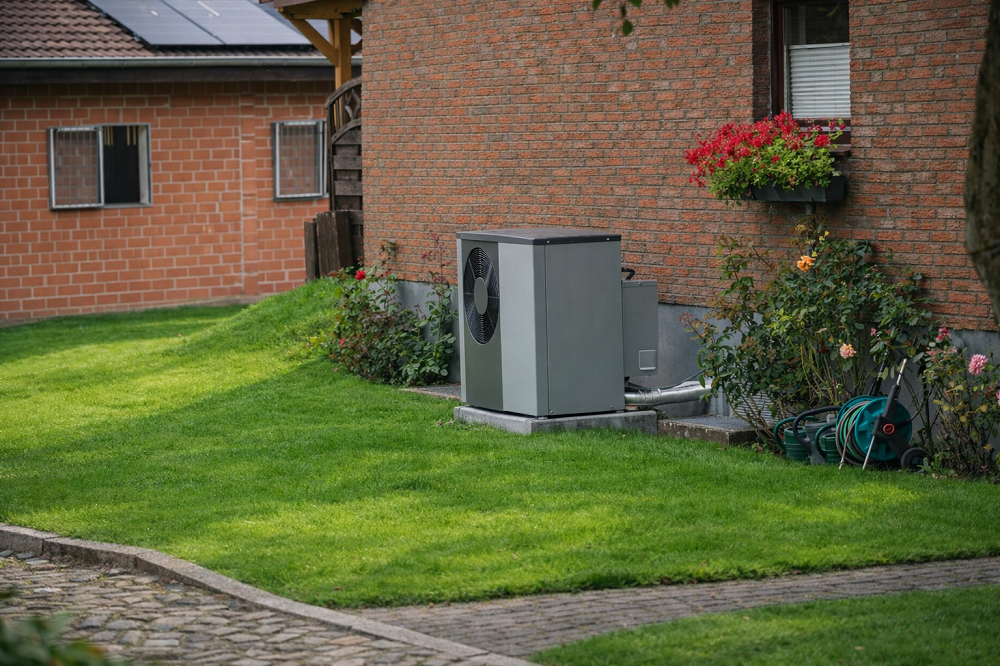
Heat pumps stand out as one of the most versatile and sustainable heating solutions available today. They provide both heating and cooling, eliminating the need for separate systems and reducing overall energy use. Their long lifespan and low maintenance requirements also contribute to sustainability by reducing waste and resource consumption.
In addition, heat pump installation supports government and global initiatives aimed at reducing carbon emissions. Many regions offer incentives or rebates to encourage adoption, making the transition to a heat pump more accessible and affordable.
Energy Efficiency and Comfort Combined
Beyond sustainability, heat pumps deliver consistent comfort throughout the year. They maintain stable indoor temperatures without the fluctuations often associated with traditional systems. Advanced heat pump models also include smart controls, allowing homeowners to optimize energy use and further reduce consumption.
By using less energy to achieve the same or better comfort levels, heat pumps prove that energy efficiency and convenience can go hand in hand.
The Role of Heat Pumps in a Greener Future
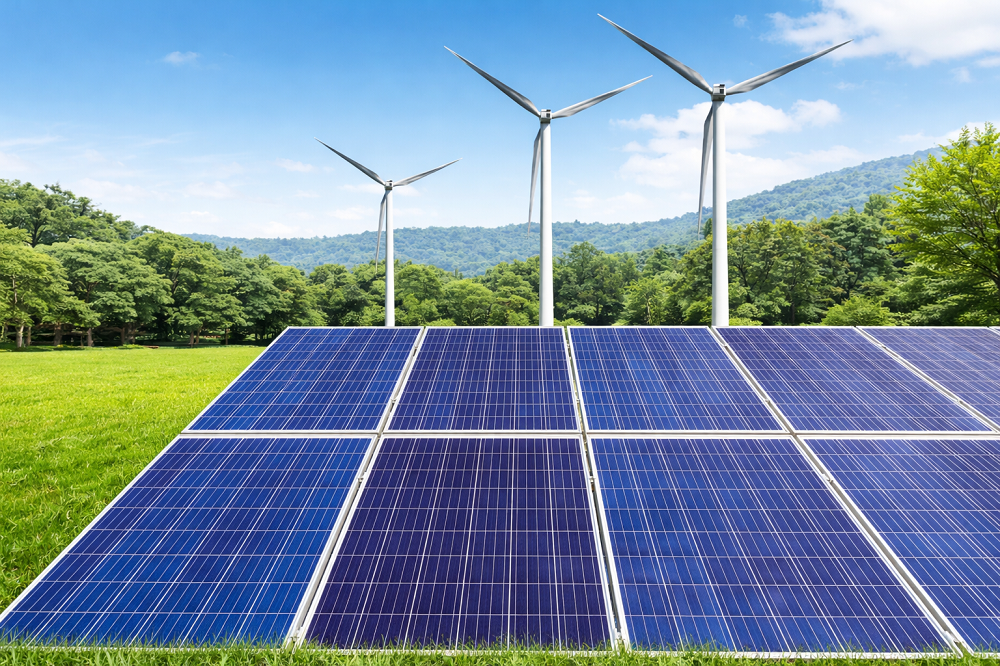
As the demand for clean energy solutions grows, heat pumps play a crucial role in building a greener future. Their ability to integrate seamlessly with renewable technologies such as solar panels and home batteries makes them a cornerstone of modern, sustainable homes.
Heat pump installation supports broader environmental goals by reducing fossil fuel use, lowering emissions, and encouraging renewable energy adoption. For homeowners committed to eco-friendly living, heat pumps represent a practical and impactful choice.
Conclusion
Choosing heat pump installation is more than an upgrade to your home—it is a commitment to energy efficiency, environmental responsibility, and sustainable living. By saving energy, reducing emissions, and working seamlessly with systems that install solar panels and a home battery, heat pumps offer a comprehensive solution for eco-friendly homes.
As energy costs rise and environmental concerns grow, heat pumps provide a reliable, future-ready alternative to traditional heating and cooling. For anyone looking to embrace sustainable living while maintaining comfort and efficiency, heat pumps are undeniably one of the best choices available today.
Frequently Asked Questions (FAQs)
1. What is heat pump installation and how does it work?
Heat pump installation involves setting up a system that transfers heat from the air, ground, or water to heat or cool your home. Instead of generating heat by burning fuel, heat pumps move existing heat, making them highly energy efficient and environment friendly.
2. How does heat pump installation help save energy?
Heat pumps use significantly less electricity than traditional heating systems. For every unit of electricity consumed, they can produce three to four units of heat. This high efficiency reduces energy consumption, lowers utility bills, and supports sustainable living.
3. Are heat pumps better for the environment than traditional heating systems?
Yes, heat pumps are far more environment friendly than gas or oil-based systems. They produce fewer greenhouse gas emissions and rely on renewable heat sources, making them an excellent choice for reducing carbon footprint and promoting eco-friendly living.
4. Can I combine heat pump installation with solar panels and a home battery?
Absolutely. When you install solar panels and a home battery alongside a heat pump, you can power your system with renewable energy. This combination maximizes energy savings, reduces reliance on the grid, and makes your home more sustainable.
5. Are heat pumps suitable for sustainable living?
Heat pumps are one of the best solutions for sustainable living. They provide efficient heating and cooling, reduce fossil fuel dependence, and integrate seamlessly with renewable energy systems, supporting long-term environmental responsibility.
6. Is heat pump installation expensive?
While the upfront cost of heat pump installation may be higher than traditional systems, long-term energy savings, lower maintenance costs, and available incentives often make heat pumps a cost-effective investment over time.
7. Do heat pumps work in cold climates?
Modern heat pumps are designed to operate efficiently even in cold climates. Advanced technology allows them to extract heat from the air at low temperatures while maintaining comfort and energy efficiency.
8. How long does a heat pump system last?
A well-maintained heat pump system typically lasts 15–20 years. Its long lifespan contributes to sustainability by reducing the need for frequent replacements and minimizing waste.