


Introduction
Food waste is a growing environmental and household budgeting concern. From forgotten vegetables in the fridge to unsold meals at local cafés, perfectly edible food is often thrown away simply because it is not used in time.
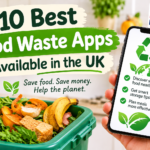
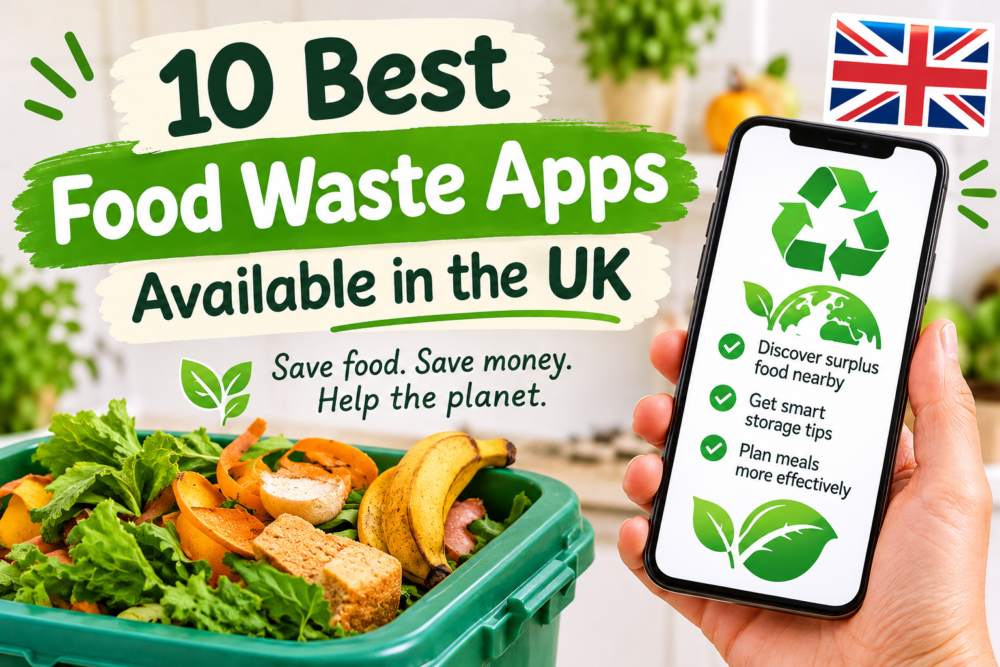
Fortunately, food waste apps make it easier to change these habits. Whether you want to buy surplus food at a lower price, share unwanted groceries with neighbours, find recipes for ingredients you already own or keep track of expiry dates, there is an app to help.
The best food waste apps available in the UK offer different solutions. Some connect you with local shops selling surplus food, while others help you organise your kitchen and plan meals more efficiently.
In this guide, we explore 10 food waste apps worth considering and explain how each one can help you save food, money and resources.
1. Too Good To Go – Best for Rescuing Surplus Food
Best for: Discounted food from cafés, restaurants, bakeries and shops.
Too Good To Go connects users with food businesses that have unsold food at the end of the day. Instead of throwing it away, participating businesses offer it through the app at a reduced price.
Users can browse nearby businesses, reserve a food package and collect it during the specified time window. Packages are often called “Surprise Bags” or “Magic Bags”, and their contents may vary depending on what is left over.
Key features
- Find participating food businesses nearby.
- Buy surplus food at reduced prices.
- Discover bakeries, cafés, restaurants and grocery retailers.
- Reserve food through the app and collect it at the allocated time.
Why choose Too Good To Go?
It is a useful option for people who want to reduce food waste while spending less on meals or groceries. The surprise element can also encourage you to try food from local businesses.
Keep in mind: You usually cannot choose every item in a surprise bag, and collection times and availability depend on the business.
2. OLIO – Best for Free Community Food Sharing
Best for: Sharing surplus food with neighbours and finding free local items.
OLIO is a community-sharing app that helps people give away food and other useful items rather than discard them.
You can browse listings from people nearby, request available food and arrange collection. If you have groceries you will not use, you can also list them for others to collect. In some areas, volunteers share surplus food collected from participating local businesses.
Key features
- Find free food shared locally.
- Give away surplus groceries and homegrown produce.
- Connect with people in your community.
- Share other household items through the same platform.
Why choose OLIO?
OLIO is particularly useful when you have unopened groceries, surplus garden produce or other suitable food that someone else could use. It supports a sharing culture and helps keep usable items out of the bin.
Keep in mind: Listings depend on your local community, so the selection can vary by postcode and day.
3. Remy – Best for Cooking with Ingredients You Already Have
Best for: Finding meal ideas from food in your kitchen.
Remy is designed to help people make better use of the food they already own. It provides meal suggestions and recipe inspiration based on available ingredients, helping users decide what to cook before buying more groceries.
Older food waste guides may refer to Kitche, an app associated with tracking groceries and reducing food waste. Check current app listings for the latest name, availability and features before downloading.
Key features
- Get meal suggestions based on available ingredients.
- Find ideas for using up food before it goes to waste.
- Make meal planning easier.
- Reduce unnecessary grocery purchases by using what you have.
Why choose Remy?
It can be helpful when you have a few ingredients left in the fridge but do not know what to make. Rather than buying more food for a recipe, you can start with what is already available.
Keep in mind: Recipe recommendations depend on the information you provide and the app’s current capabilities.
4. NoWaste – Best for Tracking Food and Expiry Dates
Best for: Organising your fridge, freezer and cupboards.
NoWaste helps users keep an inventory of the food they have at home. By recording ingredients and their dates, you can see what needs using and avoid purchasing items you already own.
Key features
- Track food stored in your fridge, freezer and pantry.
- Record expiry or use-by dates.
- Receive reminders for food that needs attention.
- Organise shopping lists and meal planning.
- Review food waste habits over time.
Why choose NoWaste?
If you frequently discover forgotten food at the back of the fridge, an inventory app can make a real difference. A quick check before shopping can help prevent duplicate purchases and encourage you to use older ingredients first.
Keep in mind: Inventory tracking works best when you update the app regularly as food is bought, used or frozen.
5. Gander – Best for Finding Reduced-to-Clear Food
Best for: Finding discounted groceries at participating retailers.
Gander helps shoppers find reduced-price food listed by participating retailers. These offers can include products approaching their date labels or items that stores want to sell rather than waste.
Key features
- Discover participating retailers and available reductions.
- Find discounted groceries through a digital listing.
- Potentially save money on food shopping.
- Help retailers sell food that might otherwise remain unsold.
Why choose Gander?
For budget-conscious shoppers, reduced-to-clear food can be a practical way to save money while supporting food waste reduction. It is particularly useful if you are flexible about what you buy and can use the food promptly.
Keep in mind: Offers and participating stores vary by location. Check the app to see whether it has useful listings in your area.
6. Karma – Best for Choosing Surplus Meals
Best for: Finding discounted food from participating food businesses.
Karma is a surplus-food platform associated with helping restaurants and other food businesses sell food that might otherwise go to waste.
Unlike apps that provide a surprise selection, Karma has been known for listing individual food items, allowing users to see what is available before ordering. However, its active markets and UK coverage should be checked before relying on it.
Key features
- Browse listed surplus food from participating businesses.
- Find discounted meals and food products where available.
- Help businesses sell unsold food.
- Reduce food waste through last-minute purchases.
Why consider Karma?
If the service operates in your area, it may suit people who prefer to choose a specific item rather than receive a surprise bag.
Keep in mind: Do not assume it is available nationwide in the UK. Check its current app listing and local coverage first.
7. EatBy – Best for Remembering Food You Need to Use
Best for: Keeping track of food dates and kitchen supplies.
EatBy has been associated with tools for tracking food in your kitchen and reminding users to consume items before they pass their relevant date. Its current availability and feature set should be verified in your app store.
Key features
- Record food items in your kitchen.
- Keep track of date information.
- Help identify ingredients that need using soon.
- Support better household food organisation.
Why consider EatBy?
A food-tracking app can help you avoid finding forgotten ingredients after they are no longer suitable to eat. It can also support a simple “use this first” system for fresh food.
Keep in mind: App availability and updates can change, so check the current listing before choosing it over an actively maintained alternative.
8. CozZo – Best for Pantry and Kitchen Inventory Management
Best for: People who want a more organised digital kitchen.
CozZo has been known as a food inventory and meal-planning tool. Apps in this category help users record groceries, manage pantry supplies, track dates and organise shopping lists.
Before downloading, check whether CozZo is currently available and supported for your device and region.
Key features
- Keep a digital record of food at home.
- Organise pantry and fridge ingredients.
- Manage shopping lists.
- Support meal planning and food-use reminders where available.
Why consider CozZo?
The main benefit of a kitchen inventory app is visibility. When you know what you already have, you are less likely to buy duplicates or forget ingredients until they spoil.
Keep in mind: Choose a tool you find easy to update. A simple inventory you maintain is more useful than a complicated one you stop using.
9. FoodCloud – Best for Connecting Surplus Food with Charities
Best for: Businesses, food donors and community organisations.
FoodCloud works to redistribute surplus food to charities and community organisations. It is different from consumer apps such as OLIO and Too Good To Go because its focus is on getting surplus food to organisations that can use it to support their communities.
Key features
- Connect food businesses with charities and community organisations.
- Help redistribute suitable surplus food.
- Support community food provision.
- Reduce the amount of edible food discarded by participating businesses.
Why choose FoodCloud?
FoodCloud is worth knowing about if you run a food business, work with a charity or want to understand how surplus food can be redistributed at a larger scale.
Keep in mind: It is not simply a shopping app for individuals looking for discounted food. Participation depends on the organisation, location and programme.
10. Mealime – Best for Meal Planning and Shopping Lists
Best for: Planning meals before you shop.
Mealime is a meal-planning app that helps users select recipes and build grocery lists. Although it is not primarily a surplus-food marketplace, planning meals can help prevent food waste by making shopping more intentional.
Key features
- Choose recipes and plan meals.
- Generate grocery lists.
- Organise food shopping around planned dishes.
- Help avoid buying ingredients without a clear use.
Why choose Mealime?
Many households waste food because they shop without a plan or buy more fresh ingredients than they can use. Meal planning can help you buy quantities that suit your household and reuse ingredients across multiple meals.
Keep in mind: Review recipes and serving sizes before shopping, and adapt the plan to ingredients you already have.
Food Waste Apps Compared
| App | Best use | Main benefit |
| Too Good To Go | Buying surplus food | Discounted food from local businesses |
| OLIO | Community sharing | Free food listings in your area |
| Remy | Using ingredients at home | Meal ideas and recipe inspiration |
| NoWaste | Food inventory | Track stored food and dates |
| Gander | Reduced-to-clear groceries | Find participating retailers’ offers |
| Karma | Surplus meals | Choose listed food where the service operates |
| EatBy | Date tracking | Reminders to use food in time |
| CozZo | Kitchen organisation | Manage pantry items and shopping |
| FoodCloud | Food redistribution | Connect surplus food with charities |
| Mealime | Meal planning | Plan recipes and shopping lists |
Availability, app names, features and coverage can change. Check the current app or service listing before signing up, especially for apps whose UK availability may be limited.
How to Choose the Best Food Waste App for You
The right app depends on where your food waste happens.
If you want discounted food
Start with Too Good To Go and check Gander for participating retailers in your area. Karma may also be worth checking if it currently operates locally.
If you want free food
OLIO is a good starting point for community food sharing. Local availability depends on what people and volunteers list nearby.
If you throw away forgotten ingredients
Try a food inventory app such as NoWaste. Recording what you buy and checking it before shopping can help you use food before it spoils.
If you struggle to decide what to cook
Consider Remy or a meal-planning app such as Mealime. Start by checking your fridge and cupboards, then plan meals around ingredients you already have.
If you run a food business or support a charity
Explore FoodCloud to learn about redistributing suitable surplus food through community organisations.
More Ways to Reduce Food Waste at Home
Apps are useful, but they work best alongside a few simple habits.
- Plan before shopping: Check your fridge and cupboards before making a shopping list.
- Use older food first: Place items that need using soon where you can see them.
- Store food correctly: Follow packaging guidance and reliable food-safety advice.
- Understand date labels: “Use by” relates to safety, while “best before” generally concerns quality. Do not eat food beyond a use-by date.
- Freeze food when appropriate: Freeze suitable items before they become unsuitable, following food-safety guidance.
- Reuse leftovers: Turn leftover vegetables into soups, sauces, curries or other meals.
- Buy realistic quantities: Choose amounts your household can reasonably eat.
- Track what you throw away: A quick weekly review can reveal which foods you regularly overbuy.
Final Thoughts
Food waste apps can help make sustainable living more practical. Whether you rescue discounted food through Too Good To Go, share surplus groceries through OLIO or organise your kitchen with NoWaste, the goal is the same: make better use of the food already available.
There is no single app that suits every household. Start with the main problem you want to solve, check which services are active in your area and build a habit of planning meals around food you already have.
Small changes in how we shop, store and share food can make a meaningful difference over time.
Write for Sustainables Talks
Do you work in sustainability, eco-friendly living, food innovation or waste reduction? We welcome useful insights and contributions from people who want to promote more sustainable choices.
Visit our Write for Us page to learn more about contributing to Sustainables Talks.
Frequently Asked Questions
It depends on your needs. Too Good To Go is useful for discounted surplus food, OLIO supports local food sharing, and NoWaste helps you track food stored at home.
OLIO lets people find food shared for free by neighbours and participating local volunteers. Listings vary by location, and you may need to arrange collection.
Many food waste apps are free to download, but that does not always mean the food is free. Too Good To Go generally involves paying for discounted food, while OLIO offers free sharing listings. Some apps may offer paid features or subscriptions.
Yes. They can help users buy surplus food at reduced prices, find free shared food, avoid duplicate grocery purchases and use ingredients before they spoil. Actual savings depend on local availability and how consistently you use the apps.
Some services operate across many UK areas, while others depend on participating shops, volunteers or local partners. Check your postcode and the latest app listing to confirm availability.
Plan meals, make a shopping list, store food properly, check date labels, freeze suitable food and use leftovers creatively. Keeping an “eat first” area in your fridge can also help.

Author: Sustainable Talks
Talk Green. Think Change. Act Sustainably. 🌍 Ideas, stories & actions for a greener future.