






Modern Food Production Is Built for Speed
Modern food production is built for speed. Ingredients move from field to shelf in days, not months. Flavour is engineered rather than developed — additives replace the years of ageing that once did the work, and abbreviated processes replace the patience that traditional cooking used to take for granted. Scale rewards whatever ships fastest, not whatever tastes deepest.
The result is food that tastes fine but rarely tastes finished. Something is missing, and that something is usually time.
Sustainability, in this context, is rarely just about where an ingredient comes from or what it’s packaged in. It’s also about how an ingredient is transformed before it ever reaches a plate. Slowing that transformation down is worth examining in its own right — not because it automatically uses fewer resources, but because it changes what an ingredient can become without artificial help.
Why Time Is a Flavour Ingredient
Long before refrigeration and industrial processing, time was the technology. Preservation, fermentation, and ageing all rely on the same principle: give an ingredient enough time under the right conditions, and it will transform itself.
- Preservation concentrates flavour by drawing out moisture and allowing salt, sugar, or acid to slowly change an ingredient’s structure over weeks or months.
- Fermentation uses naturally occurring microbes to break down sugars and proteins, building umami and complexity that raw ingredients simply don’t have.
- Ageing allows enzymes and slow oxidation to soften harsh edges and round out flavour — the same reason a well-aged cheese or cured meat tastes deeper than a fresh one.
None of these processes can be rushed without losing what makes them valuable. The transformation itself is the point, not simply the shelf life it buys.
One Example: Maison Kojira
One producer built around this approach is Maison Kojira, a small food company based in Bangkok that makes culinary salts, kombucha, and non-alcoholic drinks. Its salts draw on a family connection to Isaan, in Northeast Thailand, where mineral salt deposits left by ancient seas rise slowly to the surface after rain and are harvested by hand.
Its products — including preserved citrus, black garlic, fermented mushroom, and saffron salts — are developed through repeated iteration in a Bangkok test kitchen and made in small batches at the company’s own licensed facility. The premise is straightforward: whole ingredients already carry structure, and given fermentation, mineral balance, preservation, and time, they don’t need artificial correction to taste complete.
Fewer Ingredients, Longer Processes
Maison Kojira’s products are built on a simple idea: depth comes from real ingredients given real time, not from a longer ingredient list. Each product starts with whole, recognisable ingredients — mineral-rich salt, whole lemons, whole garlic, whole mushrooms — and lets time and traditional process do work that additives usually do elsewhere.
There’s no artificial flavouring, no artificial colouring, and no synthetic stabiliser standing in for what preservation, fermentation, or ageing would otherwise create on their own. The ingredient list stays short because the process — not a lab — does the work.
Case Study: Preserved Lemon Salt, Six Months in the Making
The clearest example of this approach is the Kojira Preserved Lemon Salt.
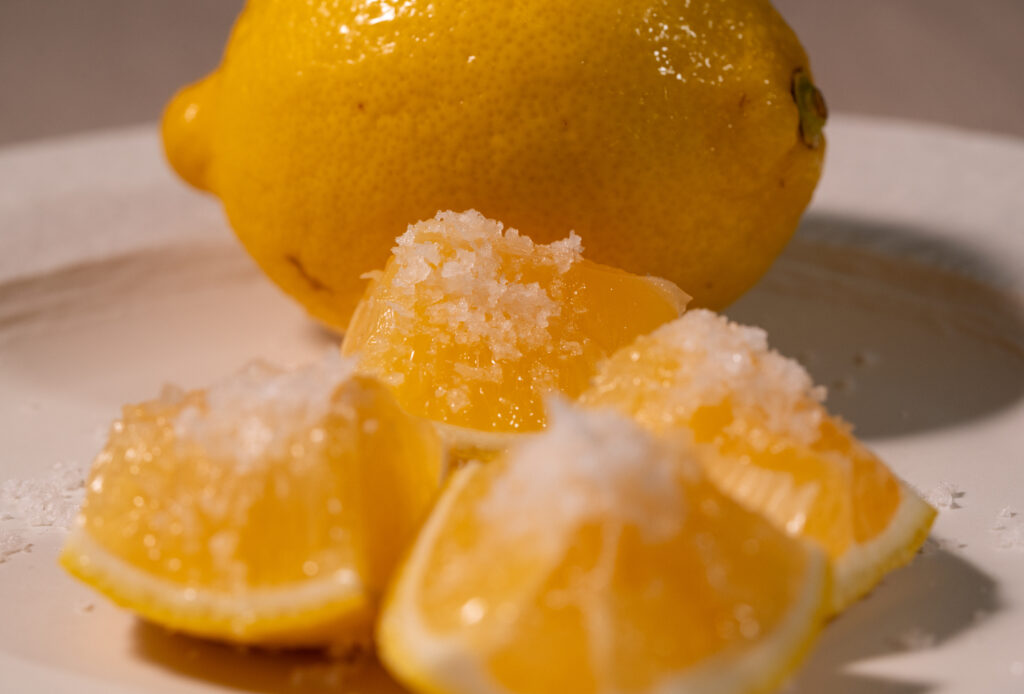
It starts with whole lemons packed in salt and left to preserve for six months. Over that time, the fresh, sharp acidity of a raw lemon slowly softens and rounds out. The rind breaks down, the bitterness fades, and what’s left is a deeper, more complex citrus character — still bright, but rounded and layered in a way a fresh lemon never is. Salt and time drive the preservation, without vinegar, added acid, or artificial flavouring.
The result is a single seasoning that carries salt, acidity, and preserved citrus depth all at once — something a squeeze of fresh lemon and a pinch of salt can’t quite replicate, because it’s missing the six months in between.
One Jar, Many Everyday Foods
Because the transformation is already built into the salt, it works across almost anything that benefits from brightness and depth at the same time:
- Vegetables — finished over roasted or raw vegetables in place of a squeeze of fresh lemon and a pinch of salt.
- Grains — stirred through rice, couscous, or grain salads for a citrus lift that doesn’t fade the way fresh juice does.
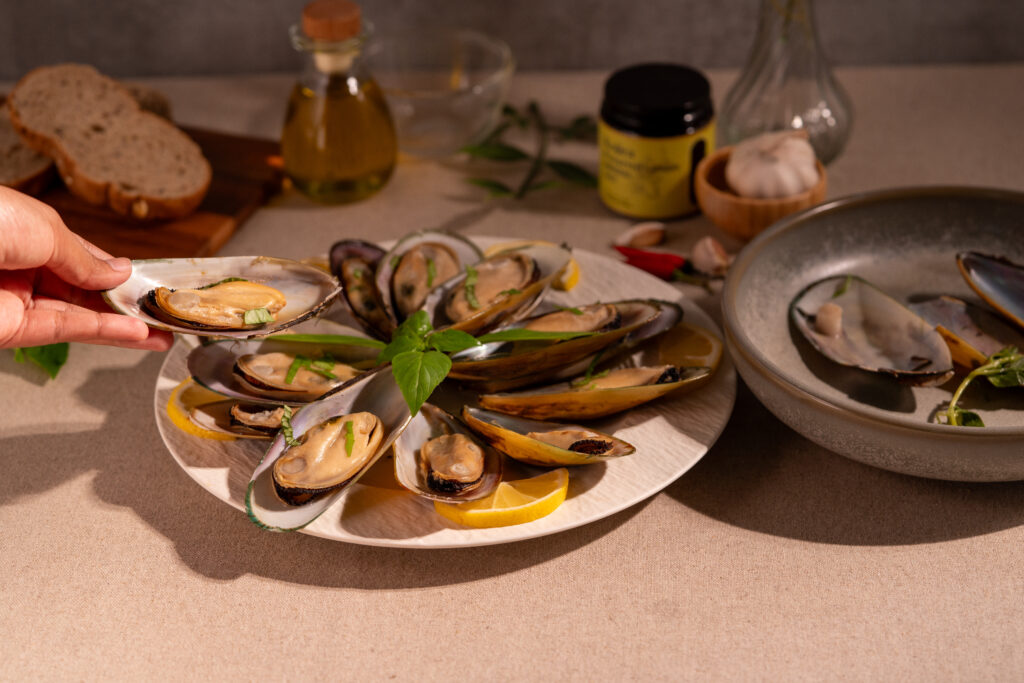
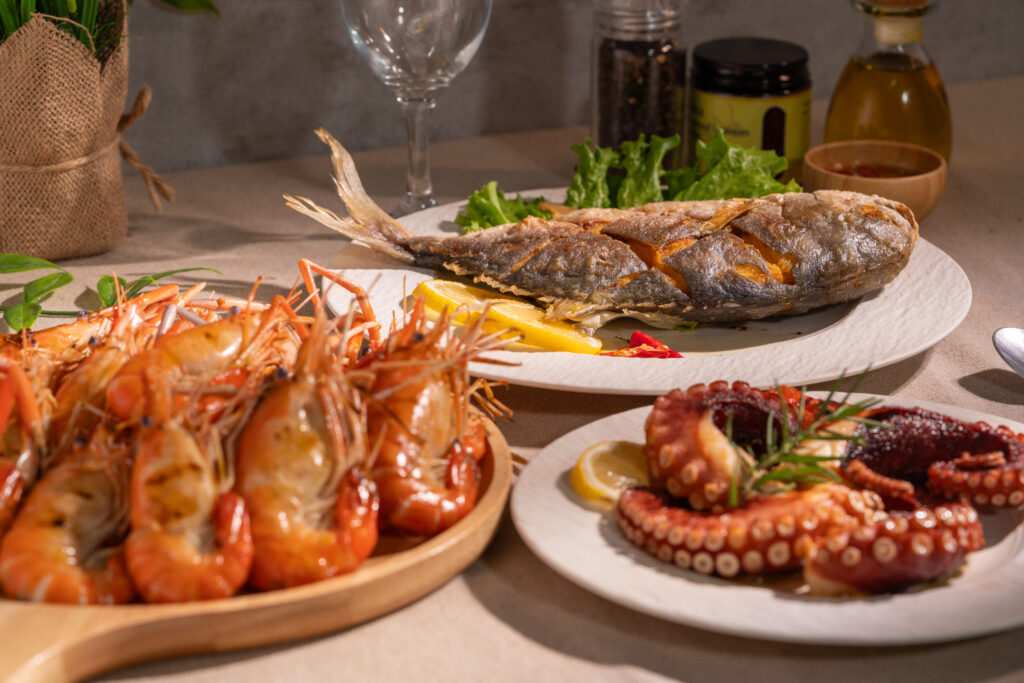
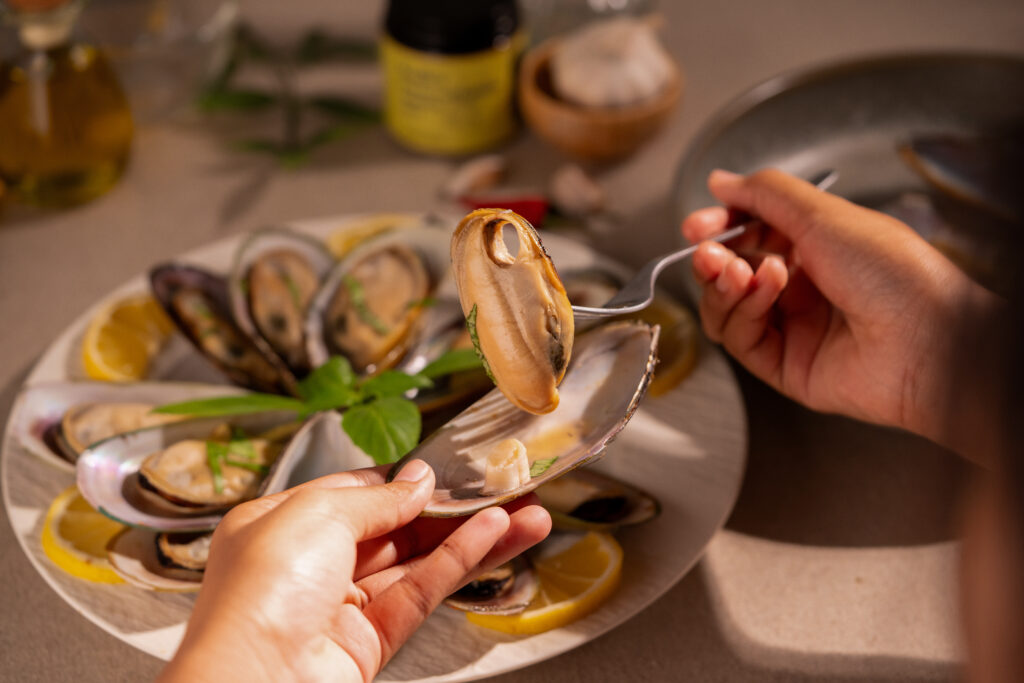
- Seafood — finished over grilled fish, where preserved citrus depth pairs naturally with delicate flavour.
- Poultry — rubbed on or finished over roast chicken, where the rounded acidity cuts through richness.
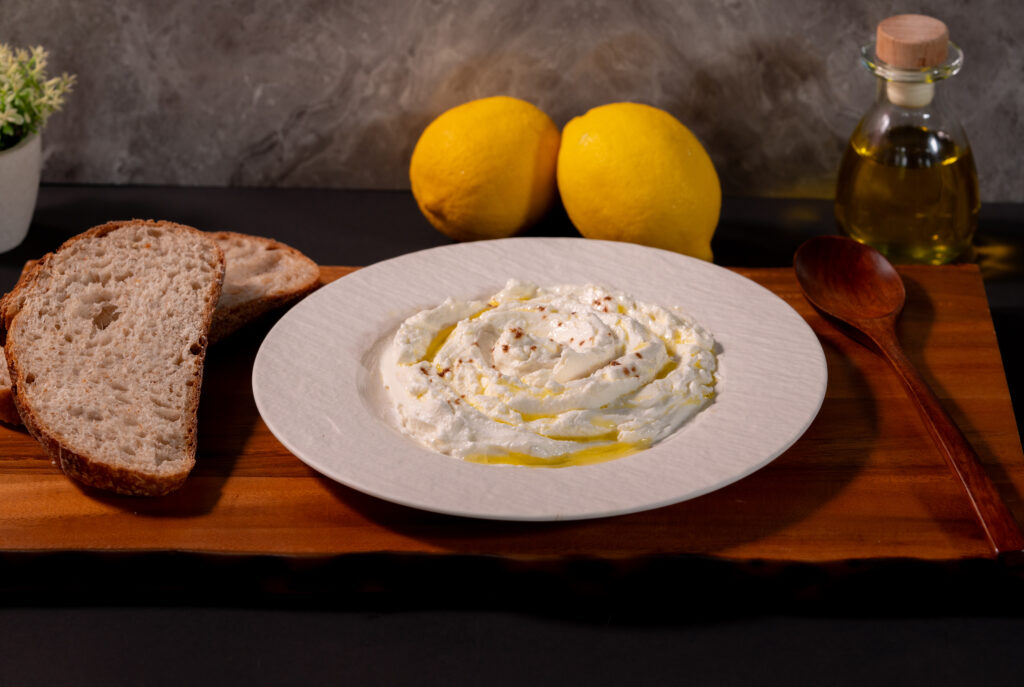
- Everyday staples — yogurt, eggs, avocado, or olive oil, where one seasoning does the job of several ingredients.
It’s a small jar that replaces a handful of last-minute additions in the kitchen.
Sustainability Is Also About Process
Sourcing responsibly and packaging thoughtfully matter, but they are only part of the picture. What happens to an ingredient after it’s sourced — how it’s used, preserved, and transformed — matters too.
A whole lemon, given six months and salt instead of a lab and a shortcut, needs nothing else added to taste complete. That’s as much a flavour decision as a sustainability one: nothing synthetic stands in for what time already does on its own.
Slow food processes aren’t nostalgia. They’re one way — among several — that ingredients can be made to do more with what they already have, provided there’s time to let them.
FAQ
What does “preserved” mean for the Kojira Preserved Lemon Salt?
The whole lemons are packed in salt and left to preserve for six months. During that time, natural enzymatic breakdown softens the rind and mellows the lemon’s sharp acidity into a rounder, deeper citrus flavour.
Is Preserved Lemon Salt the same as fresh lemon and salt?
No. Fresh lemon and salt give brightness and acidity in the moment. Preserved Lemon Salt gives that same brightness plus six months of developed citrus depth — a flavour fresh lemon can’t replicate on its own.
What foods does Preserved Lemon Salt work best with?
It’s versatile across vegetables, grains, seafood, poultry, and everyday staples like yogurt, eggs, or avocado — anywhere lemon and salt would normally be used together.
Does Maison Kojira use any artificial preservatives to speed up the process?
No. The six-month preservation relies solely on salt and time — no synthetic preservatives, stabilisers, or shortcuts.
Why does Maison Kojira focus on slow processes instead of faster production methods?
Because flavour depth benefits from it. Slower, traditional processes reduce the need for artificial additives and let whole ingredients develop complexity on their own, without added inputs to compensate.
A Final Note
Most seasonings are made to save time. The Kojira Preserved Lemon Salt was made by spending it — six months of whole lemons resting in salt until the acidity softens into something rounder and deeper. A small pinch carries salt, citrus, and acidity together, ready to finish roasted vegetables, lift a bowl of grains, or season a roast chicken.
Learn more about Maison Kojira’s sustainability philosophy?

Author: Sustainable Talks
Talk Green. Think Change. Act Sustainably. 🌍 Ideas, stories & actions for a greener future.