




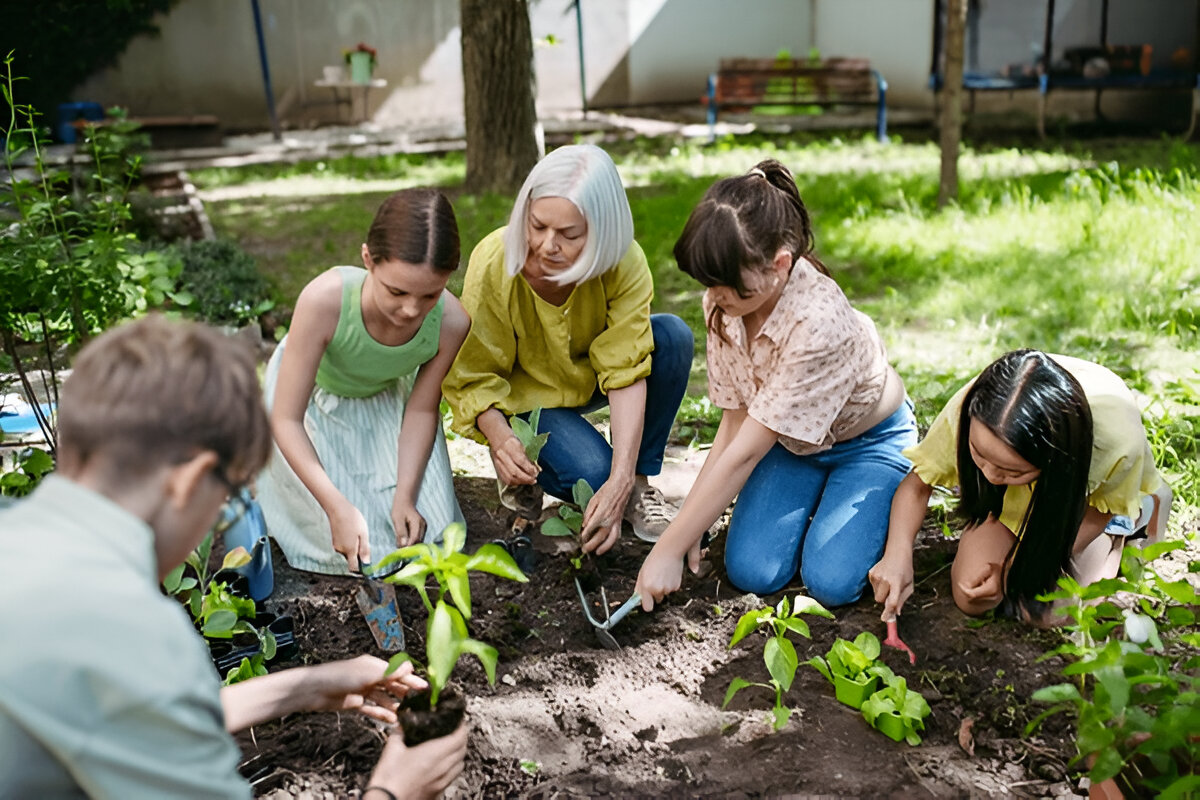
Gardening is more than just a hobby; it’s a way to connect with nature, provide fresh produce for your family, and contribute to environmental sustainability. In recent years, the push towards sustainable and organic gardening has gained momentum as more people recognize the importance of nurturing the environment while growing their gardens. Organic gardening, which focuses on natural methods and materials, promotes biodiversity, soil health, and a balanced ecosystem. In this blog, we’ll explore essential practices for building a sustainable garden and fostering healthy growth without relying on synthetic chemicals.
Understanding Organic Gardening
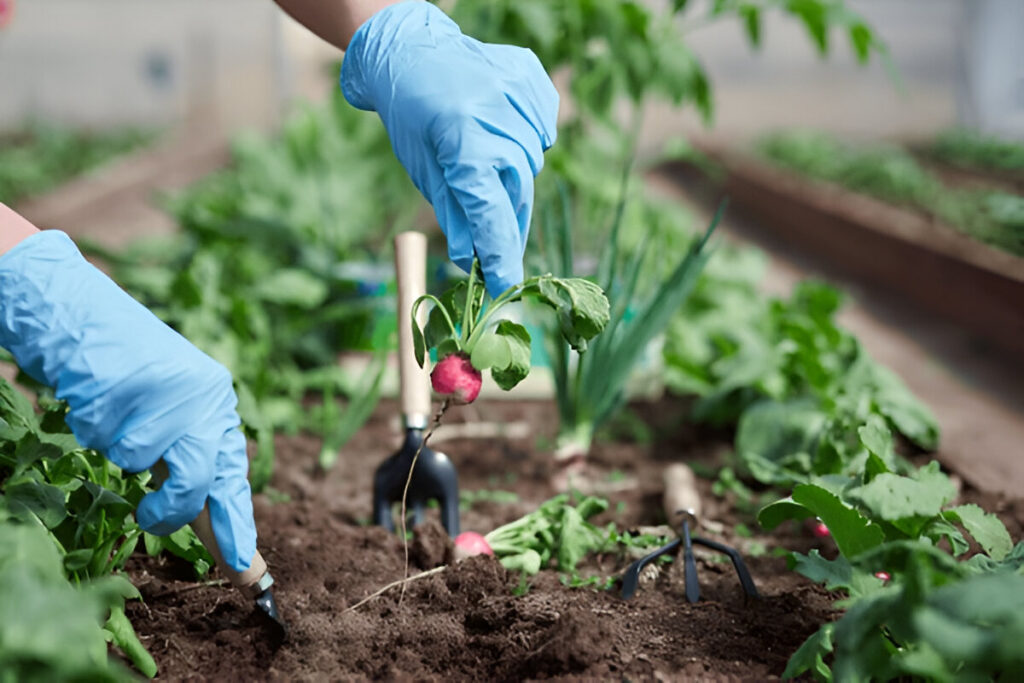
Organic gardening is the practice of growing plants without synthetic pesticides, fertilizers, or genetically modified organisms (GMOs). Instead, organic gardeners rely on natural methods to enrich the soil, control pests, and nurture plants. The core principles of organic gardening include:
- Building healthy soil
- Promoting biodiversity
- Conserving water
- Reducing waste
- Encouraging natural pest control
Building Healthy Soil
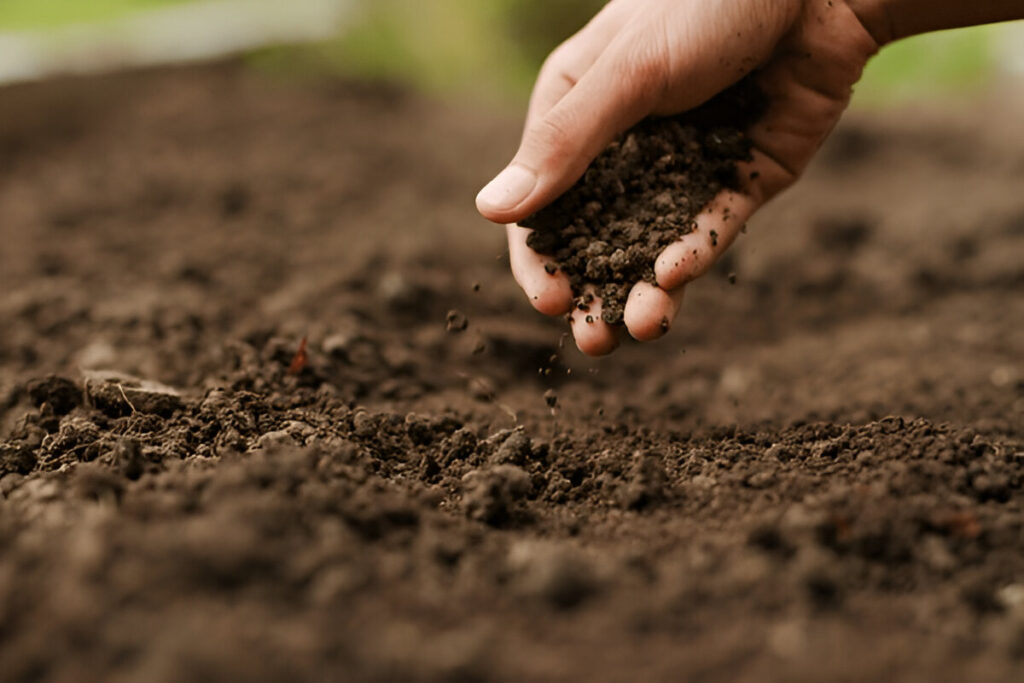
Healthy soil is the foundation of a thriving garden. Organic gardening emphasizes soil health through practices that enhance soil structure, fertility, and microbial activity.
Composting
Composting is the process of breaking down organic matter, such as kitchen scraps, yard waste, and leaves, into nutrient-rich compost. Compost enriches the soil by adding essential nutrients, improving soil structure, and promoting beneficial microbial activity.
How to Compost:
- Start with a compost bin or pile in a well-drained area.
- Add a mix of green materials (kitchen scraps, grass clippings) and brown materials (leaves, straw).
- Keep the compost moist and turn it regularly to aerate.
- Over time, the organic matter will decompose into dark, crumbly compost that can be added to your garden.
Mulching
Mulching involves covering the soil with organic materials, such as straw, wood chips, or leaves. Mulch helps retain moisture, suppress weeds, regulate soil temperature, and prevent erosion.
Benefits of Mulching:
- Reduces water evaporation, conserving water.
- Improves soil structure as it decomposes.
- Provides habitat for beneficial insects and microbes.
- Suppresses weed growth, reducing competition for nutrients.
Promoting Biodiversity
Biodiversity is essential for a healthy garden ecosystem. A diverse range of plants attracts beneficial insects, birds, and pollinators, creating a balanced environment that naturally controls pests and diseases.
Plant Variety
Planting a variety of crops and flowers can help prevent the spread of pests and diseases. Different plants attract different beneficial insects and pollinators, creating a resilient garden ecosystem.
Companion Planting:
- Marigolds with tomatoes: Marigolds repel nematodes and other pests.
- Basil with peppers: Basil enhances the flavor and repels aphids.
- Beans with corn: Beans fix nitrogen in the soil, benefiting corn.
Pollinator Gardens
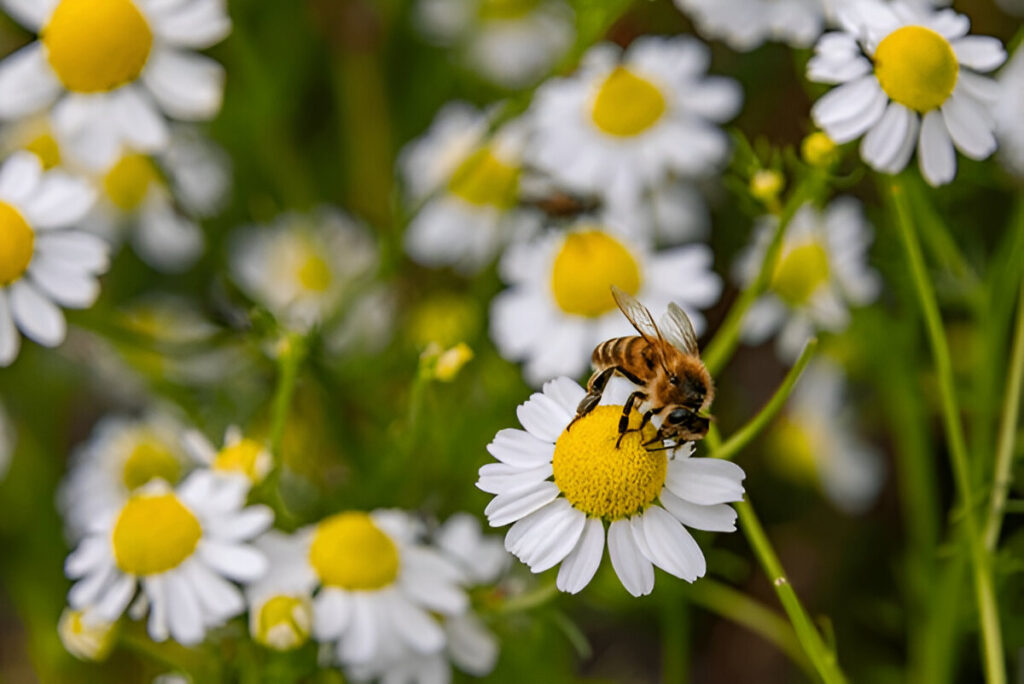
Creating a pollinator-friendly garden by planting nectar-rich flowers can attract bees, butterflies, and other pollinators. Pollinators play a crucial role in plant reproduction and fruit development.
Pollinator-Friendly Plants:
- Lavender
- Sunflowers
- Echinacea
- Milkweed
- Bee balm
Conserving Water
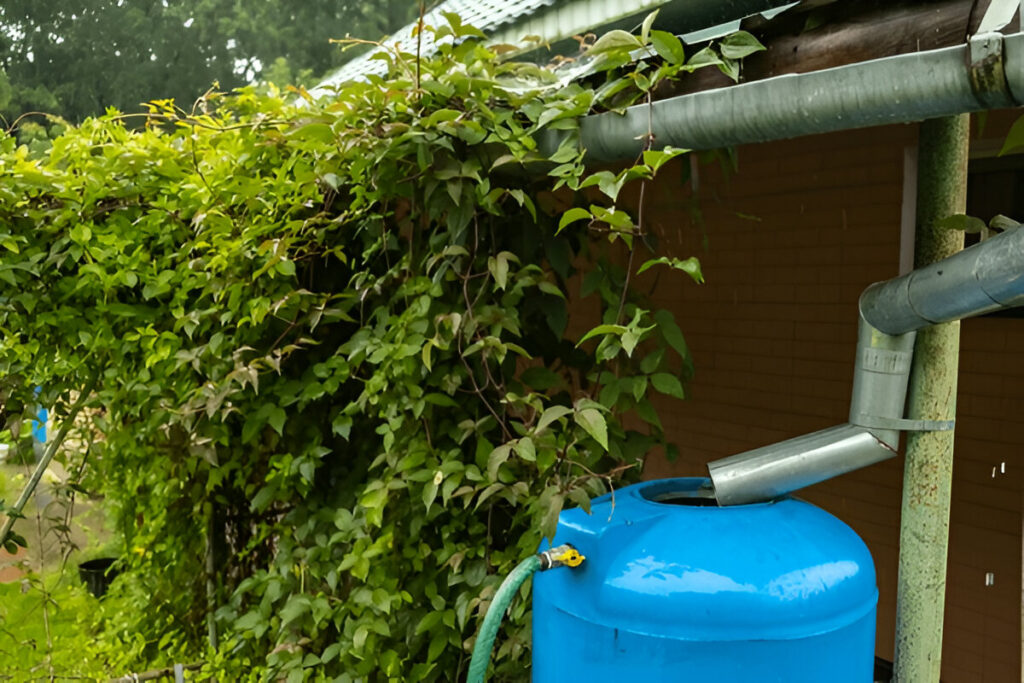
Water conservation is a critical aspect of sustainable gardening. Efficient water use not only conserves a precious resource but also reduces the energy required for water treatment and distribution.
Rainwater Harvesting
Collecting rainwater from roofs and gutters can provide a free and sustainable source of water for your garden. Rain barrels or tanks can store rainwater for use during dry periods.
How to Harvest Rainwater:
- Install a rain barrel or tank under a downspout.
- Use a screen to filter out debris.
- Attach a hose or spigot for easy access to the collected water.
Drip Irrigation
Drip irrigation systems deliver water directly to the base of plants, reducing evaporation and runoff. This efficient watering method ensures that plants receive the right amount of moisture without wasting water.
Benefits of Drip Irrigation:
- Reduces water waste by delivering water directly to the roots.
- Minimizes weed growth by limiting water to targeted areas.
- Prevents soil erosion and nutrient leaching.
Reducing Waste
Reducing waste in the garden involves minimizing the use of synthetic materials, reusing and recycling organic matter, and creating a closed-loop system.
Organic Fertilizers
Organic fertilizers, such as compost, manure, and bone meal, provide essential nutrients to plants without synthetic chemicals. These natural fertilizers improve soil health and support sustainable growth.
Types of Organic Fertilizers:
- Compost: Provides a balanced mix of nutrients.
- Manure: Rich in nitrogen, phosphorus, and potassium.
- Bone meal: High in phosphorus for root development.
Reusing Garden Waste
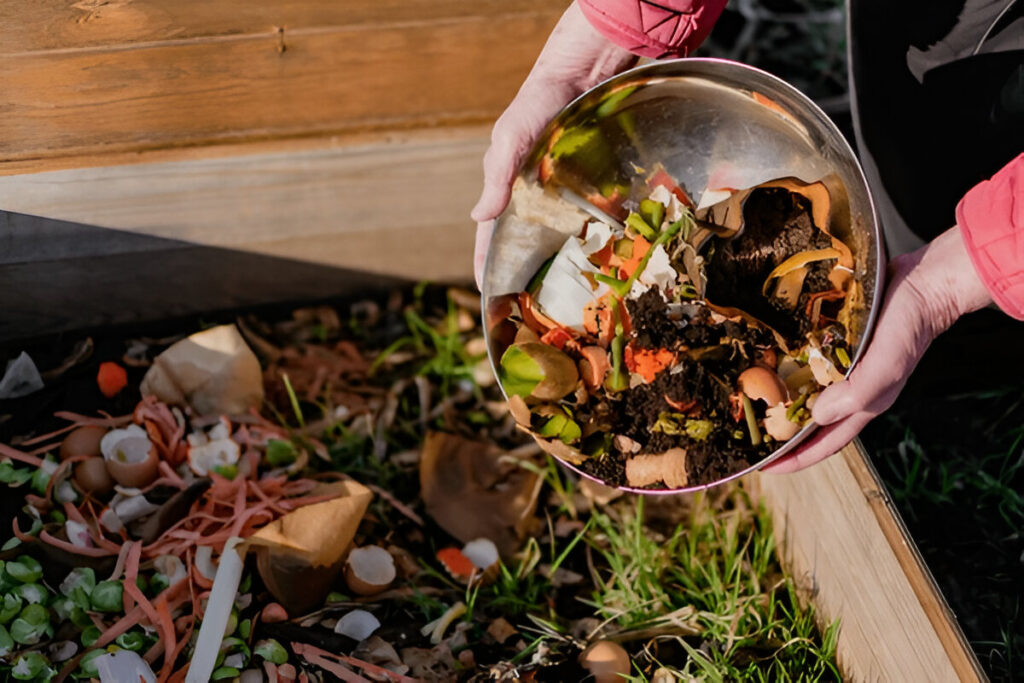
Recycling garden waste, such as prunings, grass clippings, and fallen leaves, can create valuable resources for your garden. These materials can be composted, mulched, or used to create organic matter.
Uses for Garden Waste:
- Composting: Turns waste into nutrient-rich compost.
- Mulching: Reduces waste and improves soil health.
- Green manure: Incorporates plant waste into the soil to improve fertility.
Encouraging Natural Pest Control
Natural pest control involves using biological methods to manage pests and diseases without synthetic chemicals. By encouraging beneficial insects and practicing integrated pest management (IPM), gardeners can create a balanced ecosystem that keeps pests in check.
Beneficial Insects
Beneficial insects, such as ladybugs, lacewings, and predatory wasps, can help control pest populations by preying on harmful insects. Attracting and maintaining these natural predators can reduce the need for chemical pesticides.
Attracting Beneficial Insects:
- Plant nectar-rich flowers to provide food for beneficial insects.
- Create habitats, such as insect hotels or piles of leaves and twigs.
- Avoid using broad-spectrum pesticides that harm beneficial insects.
Integrated Pest Management (IPM)
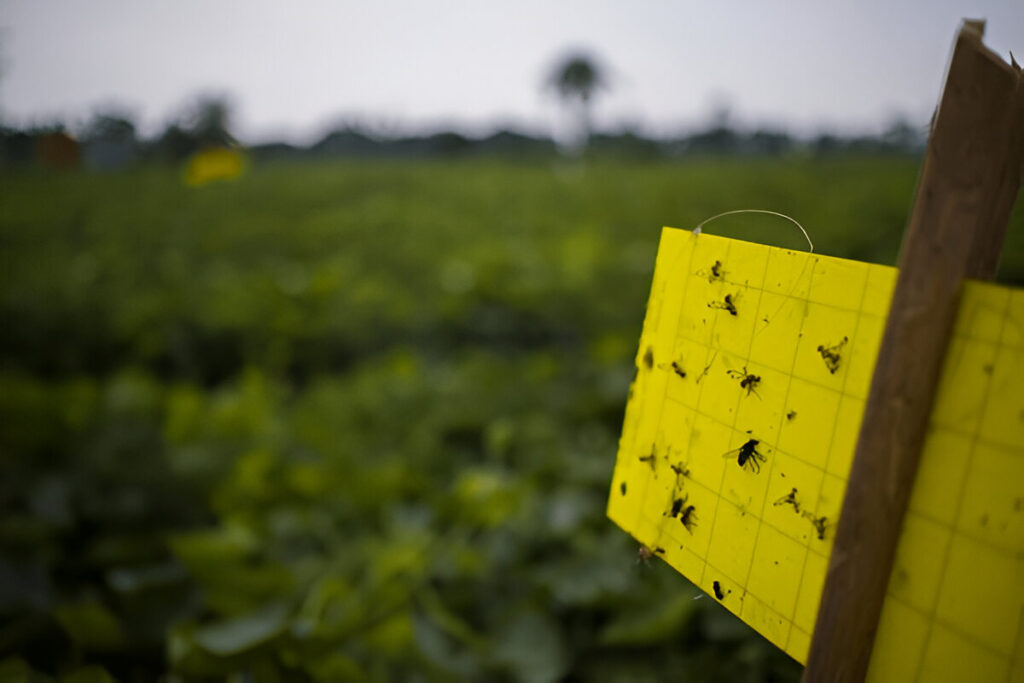
IPM is a holistic approach to pest management that combines cultural, biological, and mechanical methods to control pests. The goal of IPM is to minimize pest damage while reducing the use of synthetic chemicals.
Steps in IPM:
- Monitor pest populations and identify pest species.
- Use cultural methods, such as crop rotation and companion planting, to prevent pest infestations.
- Encourage natural predators and beneficial insects.
- Apply mechanical controls, such as hand-picking pests or using traps.
- Use organic pesticides as a last resort and only when necessary.
Conclusion
Building a sustainable garden through organic practices is a rewarding and environmentally responsible endeavor. By focusing on soil health, promoting biodiversity, conserving water, reducing waste, and encouraging natural pest control, gardeners can create vibrant, resilient gardens that thrive without synthetic chemicals. These practices not only support healthy plant growth but also contribute to the well-being of the environment and the community. Embracing organic gardening principles fosters a deeper connection with nature and a greater appreciation for the intricate balance of the ecosystem. Whether you are a seasoned gardener or a beginner, adopting sustainable gardening practices can lead to a healthier, more sustainable garden and a brighter future for our planet.

Author: Sustainable Talks
Talk Green. Think Change. Act Sustainably. 🌍 Ideas, stories & actions for a greener future.