
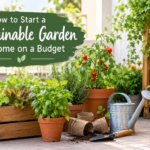
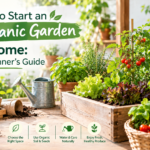
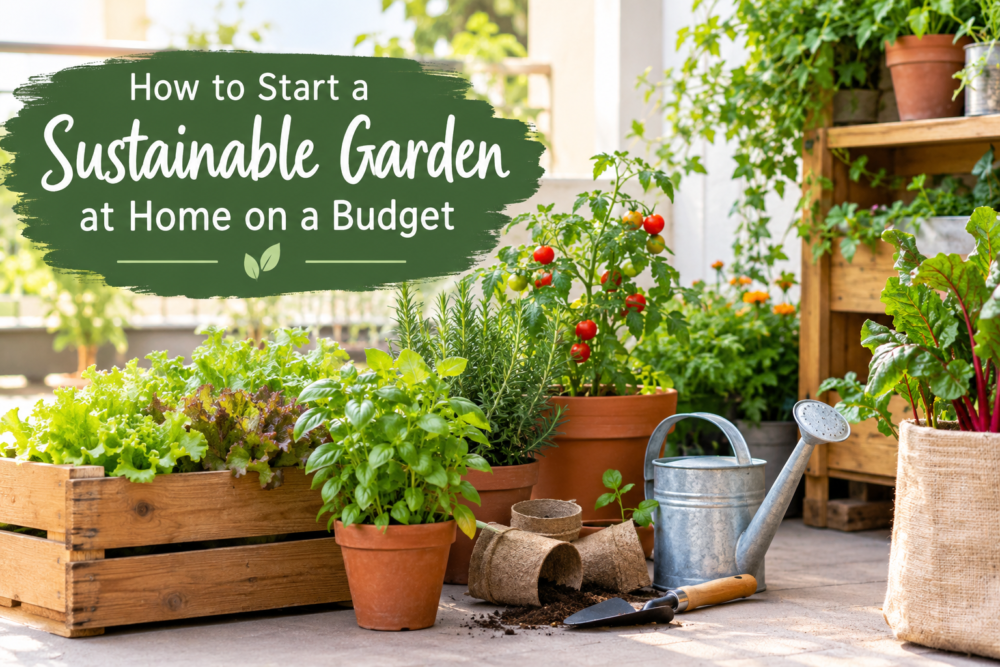
Have you ever dreamed of growing your own vegetables, herbs, and flowers but worried that gardening would be expensive? The good news is that you don’t need a large backyard, costly equipment, or a big budget to create a beautiful, eco-friendly garden.
Learning how to start a sustainable garden at home on a budget is about making thoughtful choices, using available resources, and working with nature rather than against it. From reusing household containers and making compost to choosing climate-friendly plants and saving water, small steps can help you build a garden that is both affordable and environmentally responsible.
Whether you live in an apartment with a balcony, have a small patio, or enjoy a spacious backyard, sustainable gardening can fit your lifestyle. You can even begin with just a few pots of herbs and gradually expand as your confidence grows.
In this guide, we’ll explore practical, budget-friendly gardening methods that help reduce waste, conserve resources, and make growing plants at home easier for beginners.
What Is Sustainable Gardening?
Sustainable gardening is an approach to growing plants that aims to conserve natural resources, reduce waste, protect biodiversity, and minimise unnecessary environmental impacts.
Instead of relying heavily on synthetic inputs, disposable supplies, or excessive watering, sustainable gardeners focus on healthy soil, suitable plants, responsible water use, composting, and long-lasting gardening materials.
A sustainable garden can include vegetables, herbs, fruit plants, flowers, native plants, or a mixture of different species. The goal is to create a garden that suits your available space and local conditions while using resources efficiently.
Some important principles of sustainable gardening include:
- Healthy soil: Improve soil structure and fertility with suitable compost and organic matter.
- Water conservation: Water efficiently and collect rainwater where practical and permitted.
- Waste reduction: Reuse suitable household materials and compost appropriate organic waste.
- Plant diversity: Grow a variety of suitable plants to support a healthier garden ecosystem.
- Responsible pest management: Encourage beneficial insects and use targeted, lower-impact methods when problems arise.
- Long-term planning: Choose durable tools and plants that suit your climate and available space.
The best part is that many of these practices can save money over time. You can start small and adopt new habits as your garden develops.
How to Start a Garden on a Budget
Starting a sustainable garden doesn’t require buying everything at once. A little planning can help you avoid unnecessary expenses and focus your money on the things that matter most.
1. Start with the Space You Already Have
Before purchasing seeds, pots, or tools, look around your home for a suitable growing area.
A sunny balcony, windowsill, patio, terrace, or backyard corner may be enough to get started. Observe how much direct sunlight the area receives, whether water is easily accessible, and how much space is available for containers.
Most edible plants need several hours of sunlight, although requirements vary by species. Leafy greens and certain herbs can tolerate partial shade better than many fruiting vegetables.
If you have limited space, consider vertical planters, hanging pots designed for safe use, or shelves that receive adequate light.
Budget tip: Begin with two or three plants rather than filling every available space. This helps you understand your growing conditions before investing more money.
2. Set a Realistic Gardening Budget
Decide how much you can comfortably spend before shopping. You may only need a few basic supplies at first.
| Gardening item | Budget-friendly approach |
| Containers | Reuse suitable pots or food-safe containers |
| Seeds | Exchange seeds or buy small packets |
| Soil | Use an appropriate growing mix for your plants |
| Compost | Make suitable compost at home |
| Tools | Start with a small hand trowel and watering can |
| Plant supports | Reuse sturdy sticks or suitable garden materials |
| Watering | Use a watering can and water efficiently |
Don’t compromise on essential growing conditions just to save money. Plants still need appropriate drainage, suitable soil, adequate light, and enough space for their roots.
3. Grow Plants from Seeds or Cuttings
Buying established plants can be convenient, but seeds and suitable cuttings are often more economical.
Fast-growing herbs, leafy greens, and certain vegetables can be good beginner options. You may also be able to propagate suitable plants from healthy cuttings or divide mature plants.
Follow seed-packet instructions for sowing depth, spacing, temperature, and sunlight. Some plants are easier to grow from seeds, while others establish more reliably from nursery seedlings.
Ask neighbours or gardening groups whether they exchange seeds, seedlings, or cuttings. Sharing plants is an inexpensive way to expand your garden while building connections with other gardeners.
4. Choose a Simple Garden Plan
Avoid planting too many varieties at once. Start with a few plants you genuinely enjoy using or looking at.
For example, a small kitchen garden could contain coriander, mint in its own container, and a leafy green suited to your local climate. A flower garden could begin with a few locally suitable flowering plants that attract pollinators.
Plan where each plant will go, considering sunlight, mature size, watering needs, and container depth.
A simple layout prevents overcrowding and makes it easier to care for your garden consistently.
Choose the Right Plants for Your Climate
Plant selection can determine whether your garden thrives or becomes expensive to maintain. Plants that suit your local climate and growing conditions often need less intervention than varieties that struggle in the environment.
Grow Native and Climate-Adapted Plants
Native plants are adapted to the natural conditions of their region and can provide useful food or shelter for local wildlife. Climate-adapted plants from other regions may also be suitable, depending on your location and growing conditions.
Look for species that tolerate your area’s typical temperatures, rainfall, humidity, and soil conditions.
If you live in a hot climate, you might consider suitable heat-tolerant herbs, leafy vegetables, or locally adapted flowering plants. In cooler climates, choose varieties suited to shorter growing seasons and lower temperatures.
Ask a local nursery or gardening group for recommendations specific to your neighbourhood.
Choose Plants That Match Your Available Sunlight
Observe your garden before buying plants.
- Sunny spaces: Many fruiting vegetables, including tomatoes and chillies, need substantial sunlight.
- Partially shaded spaces: Some leafy greens and herbs can grow well with less direct sun.
- Small balconies: Compact vegetables, herbs, and appropriately sized flowering plants may work well in containers.
These are general guidelines, so check the requirements of each variety.
Grow Edible Plants You Actually Use
Growing food at home can be rewarding, particularly when you choose ingredients you use regularly.
Herbs such as coriander, basil, and mint may be useful choices, depending on your climate and available sunlight. Leafy greens and certain compact vegetables can also suit container gardens.
Consider how much space each plant needs and how quickly you can harvest it. Avoid growing large quantities of something your household rarely eats.
For more inspiration, explore our related organic gardening content on Sustainable Stalks and learn how to grow plants while caring for the environment.
Reuse Household Items as Plant Containers
One of the easiest ways to reduce gardening expenses is to reuse suitable items instead of buying new pots.
Reusing materials also supports a circular approach to household consumption by extending the useful life of items that might otherwise be discarded.
Repurpose Suitable Containers
You may be able to reuse:
- Clean, sturdy buckets for appropriately sized plants.
- Food-safe tubs for small herbs.
- Durable pots from previously purchased plants.
- Wooden crates designed or adapted safely for gardening.
- Terracotta pots from other household planting projects.
Containers must be appropriate for growing plants, especially edible crops. Avoid containers that previously held hazardous chemicals, and don’t use materials that may leach harmful substances into the growing medium.
Make Sure Containers Drain Properly
Most container plants need drainage to prevent waterlogging and root damage. Add drainage holes where the material allows safe modification, and place containers where excess water can drain without damaging floors or neighbouring property.
Use a suitable potting mix rather than assuming ordinary garden soil will work well in every container. Heavy soil may compact and restrict drainage.
Try Vertical Gardening
If you have limited floor space, consider a vertical arrangement using secure shelves, suitable wall planters, or sturdy plant stands.
Before installing hanging or wall-mounted containers, ensure that the structure can support their weight when filled with wet soil. Protect walls from moisture and allow plants enough light and airflow.
Important: Reuse should not come at the expense of plant health or safety. Choose containers based on their material, size, drainage, and intended use.
Make Compost at Home
Composting is an excellent way to connect sustainable gardening with zero-waste living. It allows suitable organic materials to break down into a soil amendment that can improve soil structure and support plant growth.
Instead of throwing every vegetable peel or garden trimming into the rubbish, you can separate appropriate materials for composting.
What Can You Compost?
Depending on your composting method, suitable materials may include:
- Fruit and vegetable scraps.
- Dry leaves and small plant trimmings.
- Untreated, uncoated paper in suitable quantities.
- Coffee grounds and tea leaves without unsuitable packaging.
- Small amounts of other approved organic materials.
Avoid adding materials that your composting system cannot process. Meat, dairy, oily food, pet waste, and certain treated materials may attract pests or create hygiene problems in ordinary home composting systems.
How to Start a Basic Compost System
Step 1: Choose a suitable compost bin or designated composting area with adequate ventilation.
Step 2: Collect appropriate food scraps and garden materials in a container, then transfer them to the composting system regularly.
Step 3: Balance nitrogen-rich materials, such as fresh vegetable scraps, with carbon-rich materials, such as dry leaves and suitable uncoated paper.
Step 4: Maintain appropriate moisture. Compost should generally feel like a wrung-out sponge rather than being waterlogged.
Step 5: Turn or mix the compost when appropriate for your system to improve airflow and encourage decomposition.
When the compost has matured into a stable, earthy material, use it in suitable quantities according to the needs of your plants.
If you live in an apartment, consider a compact composting system or a local community composting service. Vermicomposting may also be an option when managed correctly.
For more practical advice, explore our zero-waste living articles and discover ways to reduce household waste while making better use of everyday resources.
Save Water with Sustainable Gardening Methods
Water conservation is an important part of sustainable gardening, particularly in areas that experience hot weather, irregular rainfall, or water shortages.
Fortunately, several simple techniques can help you use water more efficiently.
Water Plants at the Right Time
Watering during the cooler parts of the day, often early morning, can reduce water loss through evaporation. Water requirements vary by plant, container, weather, and soil conditions.
Check the growing medium before watering rather than following a rigid schedule. Container plants may dry out faster than plants growing in the ground, especially during hot weather.
Use Mulch to Retain Moisture
Mulch is a layer of suitable material placed over the soil surface. Depending on the garden, options include dry leaves, untreated organic material, or other appropriate mulch.
Mulch helps reduce evaporation, suppress some weeds, and moderate soil temperature. Keep it away from plant stems where necessary to avoid moisture-related problems.
Collect Rainwater Where Practical
A suitable rain barrel or collection system can provide water for gardening when local rules and conditions permit.
Use a covered, maintained system that prevents mosquito breeding and contamination. Check local regulations, particularly for larger collection systems or shared buildings.
Improve Soil Health
Soil containing suitable organic matter can hold moisture more effectively than some degraded or poorly structured soils.
Compost and other appropriate soil amendments may help improve soil structure, but the correct approach depends on your existing soil and the plants you grow.
Water-saving checklist:
- Water according to plant needs.
- Use mulch where appropriate.
- Collect rainwater safely where permitted.
- Choose climate-adapted plants.
- Check containers for adequate drainage.
- Avoid unnecessary watering and runoff.
Common Sustainable Gardening Mistakes
Even well-intentioned gardeners can make mistakes that waste money, water, and materials. Avoiding these common problems can make your garden easier to manage.
Buying Too Many Plants at Once
A large collection can become difficult to maintain before you understand your garden’s growing conditions.
Start with a manageable number of plants and expand gradually.
Choosing Plants That Don’t Suit Your Climate
Plants that require unsuitable temperatures, sunlight, or humidity may struggle and need additional care.
Research local growing conditions and ask experienced gardeners for recommendations.
Overwatering Plants
More water does not always mean healthier plants. Excess moisture can damage roots and encourage disease.
Check soil moisture and follow the watering needs of each species.
Using Unsuitable Containers
Containers without drainage, those made from inappropriate materials, or those that are too small can create problems.
Choose safe, durable containers with enough room for root growth.
Expecting Instant Results from Compost
Composting takes time. Adding fresh, unfinished compost directly to plants can sometimes cause problems, depending on its composition and maturity.
Allow compost to mature appropriately before using it.
Trying to Make Everything Perfect
Sustainable gardening is a learning process. Some seeds won’t germinate, certain plants may struggle, and seasonal conditions can change.
Observe what works, make adjustments, and focus on steady progress rather than perfection.
Final Thoughts: Grow a Greener Garden Without Spending More
Starting a sustainable garden at home on a budget is an achievable way to make your everyday lifestyle greener. By using available space, choosing suitable plants, reusing safe household materials, making compost, and conserving water, you can create a garden that supports your needs while using resources more responsibly.
You don’t need expensive equipment or a large backyard to begin. Start with a few pots, learn from your plants, and gradually introduce practices that suit your household and climate.
Over time, your garden can become more than a place to grow vegetables, herbs, or flowers. It can also help you reduce waste, reconnect with nature, and develop a more sustainable approach to everyday living.
Ready to make your lifestyle more sustainable?
Explore more articles on Sustainable Stalks for practical advice on organic gardening, zero-waste living, and eco-friendly choices for your home and outdoor spaces. If you have useful sustainability insights to share, visit our Write for Us page to learn about contributing to our growing community.
Frequently Asked Questions
Begin with a small growing area, choose a few affordable plants, reuse suitable containers, and learn basic watering and soil-care techniques. You can gradually add composting, rainwater collection, and other sustainable practices as your garden develops.
Plants grown from affordable seed packets or shared cuttings can be economical. Depending on your climate, herbs, leafy greens, and certain fast-growing vegetables may be suitable beginner options. Choose plants that match your available sunlight and growing space.
Yes. A balcony, patio, terrace, or sunny windowsill may provide enough space for a small container garden. Select compact plants, use suitable containers, and ensure adequate sunlight, drainage, and structural safety.
Use compost where suitable, conserve water, choose climate-adapted plants, avoid unnecessary chemical treatments, reuse safe materials, and support local biodiversity. Small changes can make sustainable gardening easier to maintain.
It doesn’t have to be. Reusing containers, exchanging seeds, propagating suitable plants, and making compost can reduce initial expenses. Some investments may still be necessary for good-quality growing media, suitable tools, or safe structures.
There is no single schedule for every garden. Watering frequency depends on the plant species, weather, container size, soil, and growing stage. Check soil moisture regularly and adjust watering to avoid both drought stress and waterlogging.

Author: Sustainable Talks
Talk Green. Think Change. Act Sustainably. 🌍 Ideas, stories & actions for a greener future.