
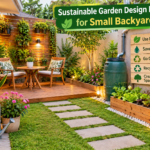

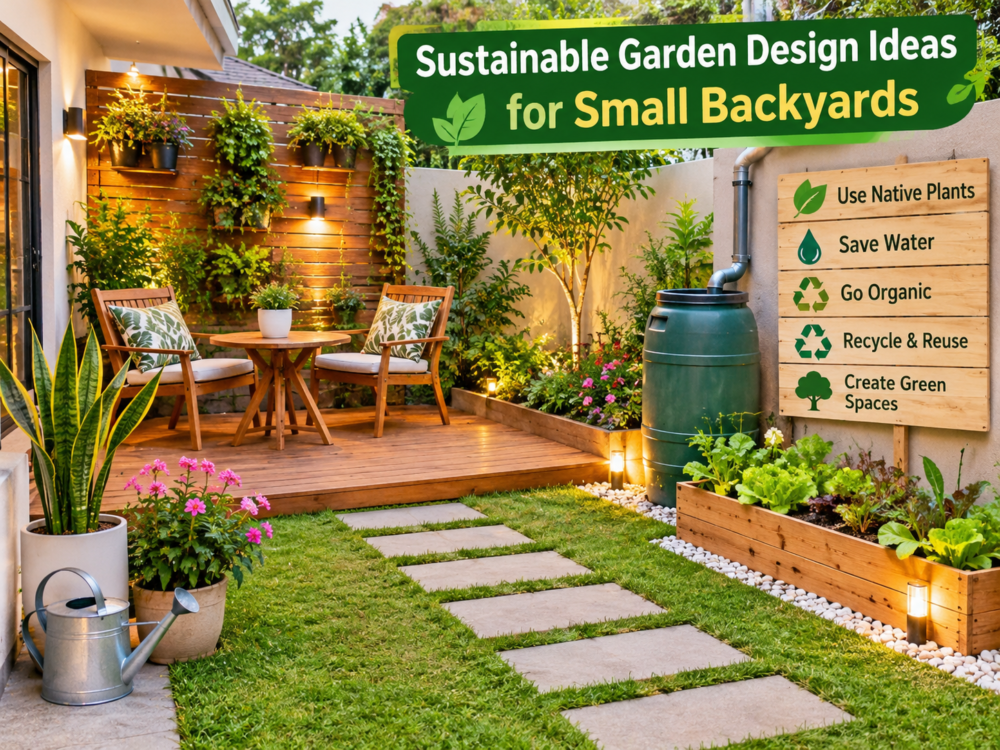
A small backyard can become a beautiful, relaxing, and environmentally friendly outdoor space with the right planning. You don’t need a large lawn, expensive landscaping, or a collection of new garden accessories to create a garden that looks good and supports nature.
With thoughtful design, even a compact outdoor area can accommodate flowering plants, herbs, vegetables, seating, and wildlife-friendly features. The key is to make the most of the available space while using resources efficiently.
Exploring sustainable garden design ideas for small backyards can help you create an outdoor space that uses less water, reduces waste, supports local biodiversity, and remains practical to maintain.
Whether you have a narrow backyard, a small patio, or a compact garden behind your home, there are plenty of ways to make it greener without overspending.
In this guide, we’ll explore creative small backyard landscaping ideas, sustainable materials, space-saving planting techniques, and simple design choices that can make your garden more eco-friendly.
What Is Sustainable Garden Design?
Sustainable garden design focuses on creating outdoor spaces that work with the local environment instead of relying on excessive water, energy, fertilisers, or disposable materials.
A sustainable garden can include native plants, compost-rich soil, efficient irrigation, reused materials, and spaces that support pollinators and other beneficial wildlife.
The aim is not simply to make a garden look natural. It is to consider how the garden is created, maintained, and used over time.
Some important principles of sustainable garden design include:
- Choosing plants suited to local soil and climate conditions.
- Conserving water through efficient watering and suitable planting.
- Reusing existing materials wherever safe and practical.
- Reducing unnecessary paving and supporting healthy soil.
- Encouraging pollinators and beneficial insects.
- Selecting durable furniture and garden accessories.
- Minimising garden waste through composting and responsible pruning.
These principles can be particularly useful in small backyards because every square metre matters. A well-planned garden can provide several benefits without requiring extensive landscaping or constant maintenance.
1. Create a Vertical Garden to Maximise Space
When floor space is limited, think vertically. Walls, fences, and sturdy plant stands can provide additional growing areas without taking up much of the ground.
Vertical gardening is one of the most practical small sustainable garden ideas for homeowners who want to grow more plants in a compact space.
Use wall-mounted planters
Install suitable planters along a fence or wall to grow herbs, compact flowering plants, or trailing greenery. Choose containers that are appropriate for the plant’s root system and provide adequate drainage.
Before mounting planters, check the wall’s condition and ensure the supports can safely carry the weight of wet soil and mature plants.
Try a vertical herb garden
A small herb garden can provide fresh ingredients while adding greenery to your backyard. Depending on your climate and sunlight, you could grow herbs such as basil, coriander, parsley, or thyme.
Place plants with similar sunlight and watering requirements together. Some herbs, including mint, are best grown in separate containers because they can spread aggressively.
Grow climbers on suitable supports
Climbing plants can cover bare walls and fences, creating visual interest while making use of vertical space.
Choose species suited to your local climate and avoid invasive plants. Consider how mature plants may affect walls, drainage, nearby structures, and access to sunlight.
Design tip: Keep frequently used herbs and plants within easy reach, and leave enough space to water, prune, and harvest them comfortably.
2. Choose Native and Climate-Friendly Plants
Plant selection is one of the most important decisions in sustainable garden design. Plants suited to local conditions generally have a better chance of thriving without excessive intervention.
Why native plants are worth considering
Native plants are adapted to the natural conditions of their region and can provide food or shelter for local wildlife. Depending on the species, they may also be well suited to local rainfall patterns and soil conditions.
Ask a local nursery or gardening group which native plants are appropriate for your area and the amount of sunlight your backyard receives.
Mix flowering plants, shrubs, and ground cover
A small garden can benefit from a mixture of plant heights and textures.
For example, compact shrubs can provide structure, flowering plants can add seasonal colour, and suitable ground-cover plants can cover bare soil.
Select plants based on their mature size so they don’t overcrowd the garden as they grow. Avoid choosing plants solely for their appearance if their water, sunlight, or soil requirements are unsuitable.
Choose plants that support pollinators
Flowers that provide nectar and pollen can help attract bees, butterflies, and other beneficial insects.
Where appropriate, choose a succession of flowering plants so that resources are available across different parts of the growing season. Avoid pesticides that may harm pollinators, and use targeted pest-management methods when necessary.
Budget-friendly tip: Propagate suitable plants from cuttings, divide established perennials where appropriate, or exchange seedlings with neighbours to expand your garden affordably.
3. Use Recycled and Reclaimed Materials
Sustainable backyard design doesn’t require buying brand-new materials for every feature. Reusing suitable materials can reduce waste and give your garden a distinctive look.
Repurpose containers as planters
Clean, sturdy containers can be used to grow flowers, herbs, and compact vegetables when they are made from suitable materials.
Before reusing an item, consider what it previously contained. Avoid containers that held hazardous chemicals or materials unsuitable for growing edible plants.
Make sure planters have adequate drainage and are large enough for the chosen plants.
Reuse bricks, stones, and timber
Suitable reclaimed bricks and stones can help create edging, small pathways, or defined planting areas. Reclaimed timber may work for certain garden features if it is structurally sound and appropriate for outdoor use.
Check the condition and previous treatment of reclaimed materials, especially timber that may come into contact with soil or edible plants.
Create a garden feature from existing items
Old shelves, sturdy crates, and suitable furniture may be repurposed as plant stands or storage features.
Choose designs that remain stable outdoors and can withstand weather exposure. Secure tall or heavy items properly, particularly in windy areas.
The most sustainable option is often to reuse something you already own rather than purchasing a new product specifically marketed as eco-friendly.
4. Design a Water-Efficient Garden
Water conservation is essential to sustainable garden design, particularly in areas with hot weather, irregular rainfall, or limited water supplies.
A carefully planned garden can reduce unnecessary watering while keeping plants healthy.
Group plants according to their water needs
Place plants with similar watering requirements together. This makes irrigation easier to manage and helps prevent some plants from receiving too much or too little water.
Choose climate-appropriate plants and check their mature size before planting.
Use mulch to reduce evaporation
Suitable mulch can help retain soil moisture, reduce some weed growth, and moderate soil temperatures.
Depending on your garden, you may be able to use dry leaves or other appropriate organic materials. Keep mulch away from plant stems where necessary, and replenish it as it breaks down.
Install efficient irrigation
For larger planting areas, drip irrigation or soaker hoses may deliver water more efficiently than indiscriminate overhead watering.
In a very small garden, a watering can may be sufficient. Check the soil before watering, as the right frequency depends on plant type, weather, container size, and soil conditions.
Collect rainwater where practical
A suitable rain barrel can provide water for garden use when local regulations and conditions permit.
Use a covered, maintained system that prevents mosquito breeding and contamination. Ensure the collection system is stable and does not create drainage problems.
Practical tip: Water during cooler periods, such as early morning, when appropriate. This can help reduce evaporation and allow plants to absorb water efficiently.
5. Create a Small Composting Corner
A sustainable garden can benefit from composting because suitable organic waste can be turned into a useful soil amendment.
Even a compact backyard may have room for a small compost bin or another appropriate composting system.
What can you compost?
Depending on your system, suitable materials may include fruit and vegetable scraps, dry leaves, small plant trimmings, coffee grounds, and appropriate uncoated paper.
Avoid adding materials that your composting method cannot process safely. Meat, dairy, oily food, and pet waste may be unsuitable for ordinary home composting systems.
How to set up a compact composting area
Choose a location that is accessible but does not obstruct movement through your backyard. Make sure the system has appropriate ventilation and can be maintained without creating nuisance odours or attracting pests.
Balance fresh, nitrogen-rich materials with carbon-rich materials such as dry leaves. Maintain suitable moisture and airflow, and follow the instructions for your chosen composting method.
If your backyard is too small for an outdoor compost bin, investigate community composting, local organic-waste collection, or an appropriate indoor system.
Using mature compost in suitable quantities can help improve soil structure and reduce the need to purchase some soil amendments.
For more ideas, explore our related organic gardening and zero-waste living articles on Sustainable Stalks.
6. Choose Sustainable Garden Furniture
A small backyard can benefit from a comfortable seating area, but furniture should be selected with durability, space, and maintenance in mind.
Prioritise durability and repairability
Look for furniture designed to withstand your local weather conditions. Consider whether damaged components can be repaired or replaced rather than requiring an entirely new item.
Second-hand furniture can be a good option when it is structurally sound and suitable for outdoor use.
Explore responsibly sourced materials
Depending on your needs, options may include responsibly sourced wood, recycled materials, or durable metal furniture.
For wooden products, look for credible sourcing information or relevant certification. Consider the finish, maintenance requirements, expected lifespan, and how the furniture will be disposed of at the end of its useful life.
No material is automatically the best environmental choice in every situation.
Keep the layout simple
A compact bench, folding chairs, or a small table may provide enough seating without making the space feel crowded.
Choose furniture that suits the scale of your backyard and leaves room for plants, pathways, and comfortable movement.
You can explore our related article on eco-friendly garden furniture for more ideas about choosing outdoor furniture with durability and sustainability in mind.
7. Divide Your Backyard into Functional Zones
Even a small outdoor area can feel organised when it has a clear layout. Instead of filling the space with separate features, consider how each area can serve more than one purpose.
Create a compact seating zone
Place a small bench or two chairs in a comfortable corner. If possible, position seating where you can enjoy greenery without blocking pathways or access to the house.
Add a productive planting zone
Use a few containers for herbs, vegetables, or other useful plants. Keep regularly harvested plants accessible and group them according to sunlight and watering needs.
Leave room for wildlife
A few suitable flowering plants, a shallow water source maintained hygienically, or a small sheltered planting area may help support local wildlife.
Choose features appropriate for your climate and avoid anything that could create stagnant water or attract pests.
Use pathways strategically
Small stepping stones or a narrow pathway can improve access without covering the entire backyard in paving.
Where appropriate, consider permeable surfaces that allow water to infiltrate the ground. The best choice depends on soil, drainage, accessibility, and how the space will be used.
A clear layout can make your backyard feel more spacious while keeping maintenance manageable.
8. Reduce Garden Waste and Maintain Healthy Soil
Garden maintenance can produce leaves, grass clippings, branches, and other organic materials. With a little planning, some of this waste can be reused rather than discarded.
Compost suitable garden materials
Dry leaves, suitable plant trimmings, and other accepted organic materials can be composted.
Avoid composting diseased plant material if your system cannot reliably manage the relevant pathogens. Follow local guidance for invasive plants and problematic weeds.
Mulch with appropriate organic materials
Suitable dry leaves and other organic materials can be used as mulch when prepared and applied correctly.
Keep pathways clear and avoid using materials that contain harmful treatments or unwanted weed seeds.
Maintain plants instead of replacing them unnecessarily
Prune plants according to their needs, remove dead or damaged growth appropriately, and address pest problems early.
Choose plants that fit your maintenance preferences. A garden with fewer, well-suited species may be easier to manage than one containing many plants with different requirements.
Common Sustainable Garden Design Mistakes to Avoid
A sustainable garden should be practical as well as attractive. Avoid these common mistakes when planning a small backyard.
- Overcrowding plants: Consider mature plant sizes and allow enough space for airflow, root growth, and maintenance.
- Choosing unsuitable species: Research local climate, sunlight, soil, and water requirements before planting.
- Using too much paving: Excessive hard surfaces may reduce opportunities for planting and affect rainwater infiltration.
- Overwatering: Check soil moisture and water according to the plants’ needs.
- Buying unnecessary accessories: Reuse suitable materials and purchase only what your garden genuinely needs.
- Ignoring drainage: Ensure containers, pathways, and planting areas do not create waterlogging or runoff problems.
- Expecting instant results: Plants need time to establish. Allow your garden to develop gradually rather than continually replacing struggling plants.
Final Thoughts: Make Your Small Backyard Greener
Sustainable garden design ideas for small backyards show that you don’t need a large outdoor area to create something beautiful and environmentally responsible.
By growing suitable plants vertically, reusing materials, conserving water, composting organic waste, and choosing durable furniture, you can make the most of your available space while reducing unnecessary resource use.
Start with one or two changes that suit your budget and lifestyle. As your garden grows, you can add new features, experiment with different plants, and discover which sustainable practices work best for your home.
A small backyard can become a place to relax, grow food, support pollinators, and reconnect with nature—without requiring expensive landscaping or constant maintenance.
Want more ideas for greener living? Explore Sustainables Talks for practical articles on organic gardening, zero-waste living, sustainable materials, and eco-friendly products for your home and garden. If you have useful knowledge to share, visit our Write for Us page to learn about contributing to our sustainability community.
Frequently Asked Questions
Choose suitable local plants, conserve water, use compost, reuse safe materials, reduce unnecessary paving, and select durable furniture. Start with a few manageable improvements and expand gradually.
The best plants depend on your climate, sunlight, soil, and available space. Native species, compact herbs, suitable flowering plants, and climate-adapted vegetables can all be good options when selected carefully.
Choose plants suited to local conditions, group plants with similar water needs, use appropriate mulch, plan easy-access pathways, and avoid overcrowding. A simple layout with durable materials can reduce ongoing maintenance.
Yes. Reuse suitable containers, grow plants from seeds or cuttings, exchange plants with neighbours, make compost, and use existing furniture where practical. Spend money first on essentials such as suitable growing media and safe containers.
Use climate-appropriate plants, apply suitable mulch, check soil moisture before watering, and consider drip irrigation or rainwater collection where practical and permitted. Adjust watering based on weather and plant requirements.
There is no single feature that makes a garden sustainable. The strongest approach combines suitable plant selection, responsible water use, healthy soil, waste reduction, and durable design choices that work for the local environment.

Author: Sustainable Talks
Talk Green. Think Change. Act Sustainably. 🌍 Ideas, stories & actions for a greener future.