



As the world becomes more conscious of environmental issues, our lifestyle choices are increasingly reflecting our commitment to sustainability. One of the most significant areas where we can make a positive impact is in our homes and gardens. Eco friendly outdoor furniture has emerged as a leading trend among homeowners who want to combine style, comfort, and responsibility towards the planet. In this comprehensive guide, we’ll explore everything you need to know about eco-friendly garden furniture and how to create a sustainable outdoor space that aligns with your values.
Why Choose Eco Friendly Outdoor Furniture?
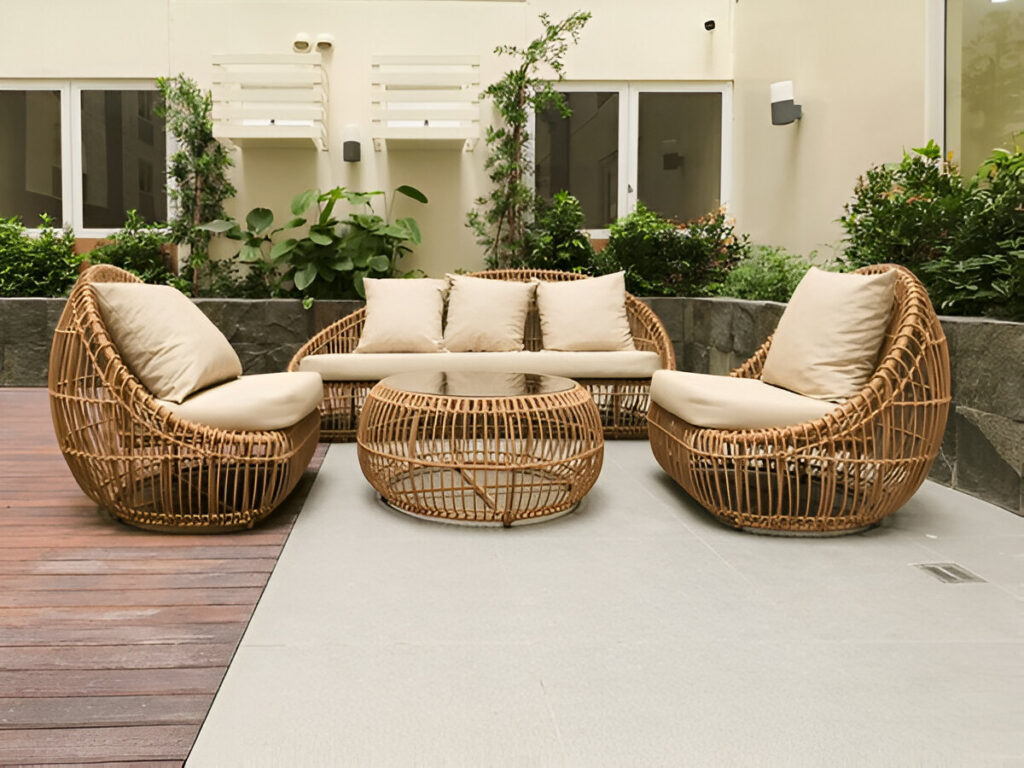
Outdoor furniture is exposed to the elements and must be durable, functional, and visually appealing. However, traditional outdoor furniture often comes with environmental drawbacks. Many pieces are made from virgin plastics, tropical hardwoods from unsustainable sources, or metal alloys with high carbon footprints. These materials not only strain natural resources but also contribute to landfill waste and pollution.
Eco-friendly outdoor furniture, on the other hand, offers a sustainable solution by:
- Reducing waste through the use of recycled or repurposed materials.
- Lowering carbon emissions by minimizing energy use in production.
- Supporting responsible forestry through certified wood sourcing.
- Promoting longevity with durable, repairable, and recyclable designs.
Switching to sustainable garden furniture is more than just a trend — it’s a conscious decision to preserve the environment for future generations.
What Makes Garden Furniture Eco-Friendly?

Not all “green” products are created equal. When evaluating whether garden furniture is truly sustainable, consider the following criteria:
1. Materials Used
The material is the most critical component in determining the sustainability of outdoor furniture.
- Reclaimed Wood: Old barn wood, shipping pallets, and salvaged hardwoods can be given new life as furniture. Reclaimed wood adds character while reducing deforestation.
- Bamboo: A fast-growing grass, bamboo regenerates quickly and doesn’t require replanting. It’s naturally resistant to pests and has excellent strength.
- Recycled Plastic: High-density polyethylene (HDPE) made from recycled bottles and containers is commonly used in eco friendly outdoor furniture. It’s weather-resistant and can be recycled again after use.
- Certified Sustainable Wood: Look for certifications like FSC (Forest Stewardship Council) or PEFC which ensure that the wood is sourced from responsibly managed forests.
- Recycled Metal: Aluminum and steel can be recycled indefinitely without degrading quality. Using recycled metal significantly reduces energy use in production.
2. Manufacturing Process
A product’s eco-friendliness isn’t just about materials — how it’s made matters too.
- Low-emission production: Manufacturers that use solar energy, wind power, or other renewable sources in their factories contribute less pollution.
- Non-toxic finishes: Traditional paints and sealants can release harmful VOCs (volatile organic compounds). Eco-friendly furniture uses water-based, non-toxic finishes.
- Local production: Supporting local artisans or brands reduces transportation emissions and supports community economies.
3. Longevity and End-of-Life
Sustainable furniture should be made to last, with materials that age gracefully and construction that allows for repair or recycling.
- Modular design: Furniture that can be taken apart and repaired means fewer pieces end up in landfills.
- Biodegradable or recyclable components: When the furniture reaches the end of its life, it should be easy to recycle or compost.
Popular Types of Eco Friendly Outdoor Furniture
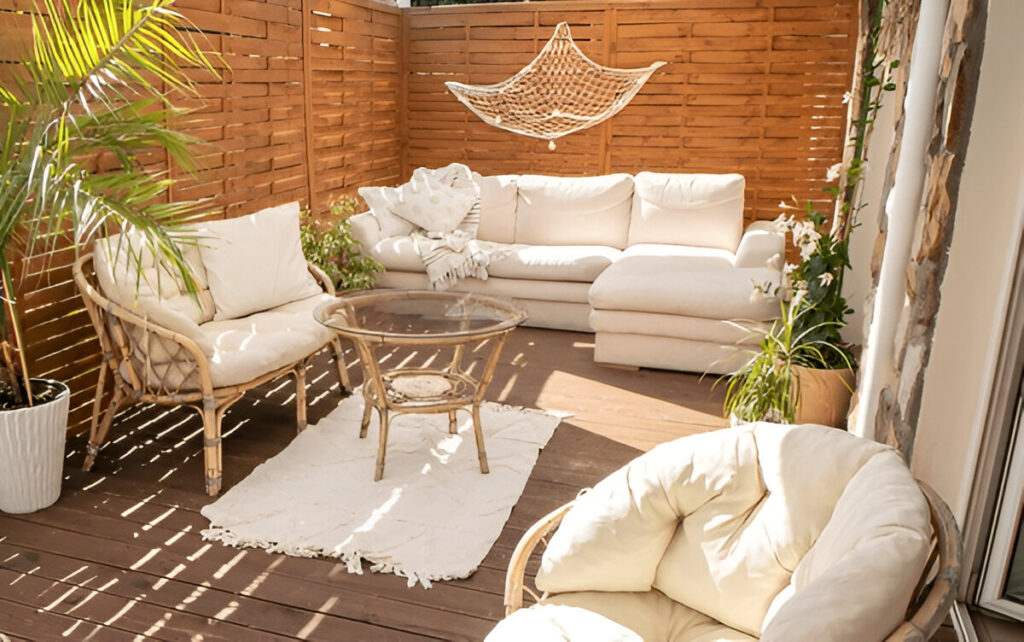
There’s no need to sacrifice style when choosing sustainable garden furniture. Here’s a breakdown of some popular options:
1. Eco-Friendly Garden Benches
Benches made from reclaimed wood or recycled plastic offer a rustic and sturdy seating option. They’re perfect for quiet corners of your garden and often require minimal maintenance.
2. Sustainable Outdoor Dining Sets
Whether made from FSC-certified teak or recycled aluminum, outdoor dining sets are available in a wide range of styles. Look for pieces that are weather-resistant and come with removable cushions made from organic or recycled fabrics.
3. Recycled Plastic Adirondack Chairs
These classic chairs are a staple in many gardens and patios. Recycled plastic versions offer the same comfort and durability without contributing to plastic pollution.
4. Upcycled Pallet Furniture
DIY enthusiasts often turn wooden pallets into sofas, coffee tables, and planters. This not only reduces waste but adds a handcrafted charm to your outdoor space.
5. Bamboo Hammocks and Loungers
Lightweight, strong, and biodegradable, bamboo is ideal for casual seating. Pair it with organic cotton cushions or recycled polyester covers for an all-around eco-friendly experience.
Eco-Friendly Fabrics for Outdoor Cushions
Furniture cushions are often overlooked in the sustainability conversation, but they matter just as much as frames.
Choose fabrics made from:
- Organic cotton: Grown without harmful pesticides or fertilizers.
- Recycled polyester (rPET): Made from post-consumer plastic bottles.
- Hemp or linen: Natural fibers with minimal environmental impact.
- Eco-friendly foam: Cushions made from natural latex or soy-based foam are better alternatives to petroleum-based options.
Make sure the cushions are treated with non-toxic, biodegradable waterproofing or stain resistance coatings.
Tips for Creating a Sustainable Outdoor Space

Beyond furniture choices, creating an eco-friendly garden involves a holistic approach. Here are some tips:
1. Choose Native Plants
Native plants require less water and maintenance, making them a sustainable choice for your garden. They also support local biodiversity by attracting native bees, butterflies, and birds.
2. Use Solar Lighting
Switch to solar-powered garden lights to reduce electricity use and carbon emissions.
3. Install Rainwater Harvesting
Collecting rainwater for garden irrigation reduces dependency on municipal water and supports eco-conscious gardening.
4. Avoid Single-Use Plastics
Opt for reusable or biodegradable planters, garden markers, and tools.
5. Compost Garden Waste
Turn leaves, clippings, and food scraps into nutrient-rich compost to enrich your soil naturally.
Top Brands Offering Eco Friendly Outdoor Furniture
Several companies are leading the charge in producing sustainable garden furniture. Here are some notable names:
1. POLYWOOD
A pioneer in recycled plastic furniture, POLYWOOD makes durable, weather-resistant products from milk jugs and detergent bottles.
2. Hauser’s Patio
Known for aluminum furniture made from recycled materials and recyclable designs.
3. Outer
Offers eco-friendly outdoor sofas and chairs with recyclable aluminum frames and cushion covers made from recycled plastic bottles.
4. Yardbird
Committed to sustainability with furniture made from repurposed ocean plastic and recyclable aluminum.
5. Masaya & Co.
Handcrafted wooden furniture using sustainably harvested tropical hardwoods from their own reforestation projects.
How to Maintain Eco Friendly Garden Furniture
Sustainable furniture is designed to last, but proper care ensures it continues to look and function well.
- Clean regularly: Use natural cleaning solutions like vinegar and baking soda.
- Protect from harsh weather: Use covers or store indoors during extreme conditions.
- Refinish wood: Reapply eco-friendly sealants or oils annually to maintain wood quality.
- Repair instead of replace: Fix loose screws, cracked wood, or torn fabric to extend life.
Final Thoughts: Sustainability Starts at Home
Creating a sustainable garden space starts with intentional choices. By investing in eco friendly outdoor furniture, you’re not only beautifying your home but also contributing to a greener planet. Whether it’s a simple bench made from recycled plastic or a full patio set crafted from responsibly sourced wood, every decision makes a difference.
Remember, sustainability isn’t about perfection — it’s about progress. Start with what you can, learn as you go, and take pride in knowing that your outdoor sanctuary is as kind to the Earth as it is to your comfort.

Author: Sustainable Talks
Talk Green. Think Change. Act Sustainably. 🌍 Ideas, stories & actions for a greener future.