



Introduction
Packing lunch for work or school is a simple way to save money, enjoy homemade meals and reduce reliance on takeaway packaging. However, disposable sandwich bags, cling film, single-use food containers and takeaway boxes can create unnecessary waste when used regularly.
Switching to a reusable lunch box is a practical step towards a more sustainable everyday routine. Whether you prefer a stainless steel container, a compartmentalised bento box or a lightweight lunch box for children, there are plenty of options available to suit different needs.
The best eco-friendly lunch boxes are durable, easy to clean and practical enough to use every day. Materials such as stainless steel, glass and responsibly sourced bamboo can be worth considering, although the most sustainable choice also depends on how long the product lasts and how often you reuse it.
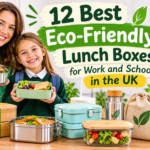
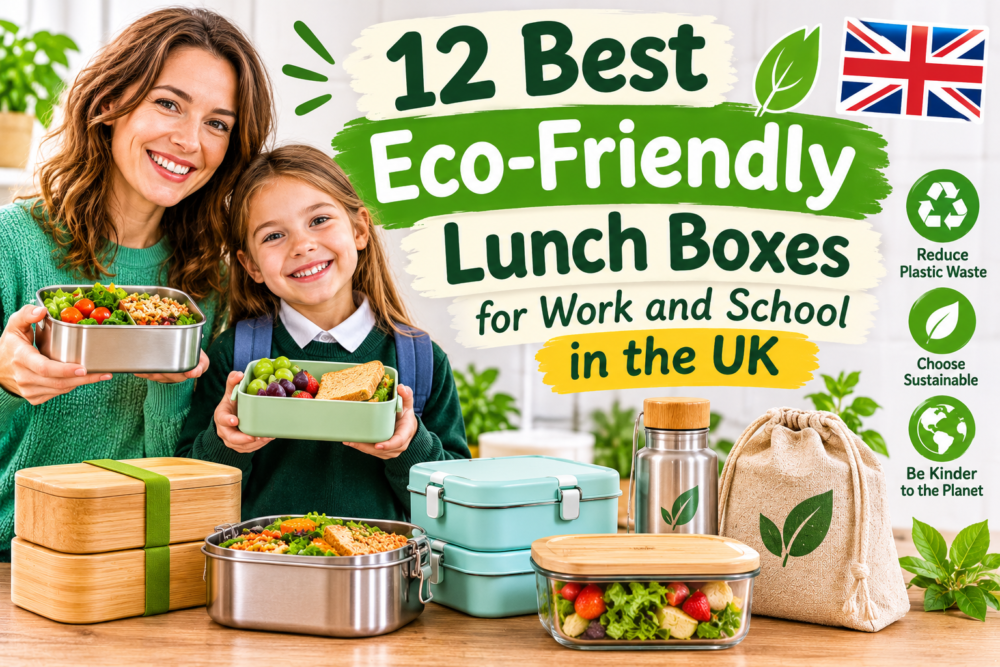
In this guide, we explore 12 of the best eco-friendly lunch boxes for work and school in the UK, including reusable stainless steel containers, bento-style designs, insulated food jars and options for children.
What Makes a Lunch Box Eco-Friendly?
Before choosing a lunch box, consider the materials, durability and design rather than relying on marketing labels alone.
Here are some features worth looking for:
- Reusable construction: A lunch box should be suitable for repeated daily use.
- Durable materials: Stainless steel, well-made glass and sturdy containers can last for years with proper care.
- Minimal disposable packaging: Reusable containers help replace single-use bags, wraps and takeaway packaging.
- Easy maintenance: A lunch box that is easy to clean is more likely to become part of your everyday routine.
- Replaceable components: Available seals, clips and spare parts can help extend a product’s lifespan.
- Practical design: The right size, compartments and closure system can help prevent food waste and make packed lunches easier.
Remember that no material is automatically the most sustainable. A long-lasting lunch box that you use regularly is generally a better choice than buying several alternatives that quickly end up unused.
1. Elephant Box — Best for Durable Stainless Steel Lunch Boxes
Best for: Adults, office workers, older children and people looking for a long-lasting reusable container.
Elephant Box specialises in reusable stainless steel food containers and accessories. Its range includes lunch boxes in different sizes, making it worth considering if you want to reduce your reliance on disposable food packaging.
Stainless steel is a practical choice for everyday lunches because it is durable, does not readily retain food odours and can be used repeatedly. Elephant Box also offers designs with silicone seals for people who need better protection against leaks.
Why consider Elephant Box?
- Durable food-grade stainless steel construction.
- Options for sandwiches, salads and packed lunches.
- Selected designs with leak-resistant or leakproof closures.
- A reusable alternative to disposable food containers.
- A brand with a focus on reducing single-use packaging.
Potential drawback: Stainless steel containers are generally unsuitable for microwave use, and some models may be heavier than plastic alternatives. Check the instructions for the specific product.
Our take: Elephant Box is a strong option if you want a reusable lunch box designed for regular use and prefer a metal container.
Website: Elephant Box
2. A Slice of Green — Best for Traditional Stainless Steel Lunch Boxes
Best for: Sandwiches, wraps, dry snacks and simple packed lunches.
A Slice of Green offers stainless steel lunch boxes and traditional-style tiffin containers. Its range is worth exploring if you prefer a straightforward design without unnecessary compartments or decorative features.
The brand’s lunch boxes are made using food-grade stainless steel, and selected designs are suitable for carrying sandwiches, snacks and other everyday foods.
Why consider A Slice of Green?
- Reusable stainless steel designs.
- Simple containers suitable for everyday packed lunches.
- Options for different food portions and lunch styles.
- A practical alternative to single-use sandwich packaging.
- Traditional tiffin-inspired designs.
Potential drawback: Not every model is designed to carry liquids or foods with thin sauces. Check whether the specific container is leakproof or only leak-resistant.
Our take: A Slice of Green is worth considering if you prefer a simple, reusable lunch box that can be used for both packed lunches and food storage.
Website: A Slice of Green
3. Black+Blum — Best for Stylish Stainless Steel Lunch Boxes
Best for: Professionals, commuters and adults who want a practical lunch box with a modern design.
Black+Blum offers reusable lunch boxes, including stainless steel models with practical features for carrying food to work or school.
Selected designs include adjustable dividers, silicone seals and cutlery accessories. These features can be useful if you regularly carry salads, sandwiches, vegetables or mixed meals.
Why consider Black+Blum?
- Contemporary designs for everyday use.
- Stainless steel options.
- Selected models with compartments and leakproof closures.
- Reusable containers that can replace disposable takeaway packaging.
- Accessories designed to make packed lunches more convenient.
Potential drawback: Premium models can cost more than basic lunch boxes. Check which components are dishwasher-safe and whether the container can be used in a microwave.
Our take: Black+Blum is a good option for people who want a stylish, functional lunch box that fits into a daily commuting routine.
Website: Black+Blum
4. Qwetch — Best for Insulated Food Containers
Best for: Office lunches, commuting, outdoor activities and people who prefer warm meals.
Qwetch offers reusable insulated food containers designed for people who want to carry meals and drinks on the go.
An insulated food jar can be particularly useful when you want to take soup, pasta, porridge or another suitable meal without relying on a microwave at lunchtime.
Why consider Qwetch?
- Reusable food containers and insulated products.
- Options for carrying food and drinks.
- Practical designs for work, travel and outdoor activities.
- An alternative to disposable takeaway containers.
- Useful for people who prefer homemade hot lunches.
Potential drawback: Insulated containers can be heavier and bulkier than standard lunch boxes. Their ability to maintain food temperature depends on the model, preparation and conditions of use.
Our take: Qwetch is worth exploring if your priority is carrying homemade food and maintaining its temperature during the day.
Website: Qwetch
5. Bambaw — Best for Plastic-Conscious Lunch Storage
Best for: Adults and students looking for reusable alternatives to disposable food packaging.
Bambaw is a brand associated with reusable everyday products, including alternatives designed to help reduce single-use waste. Its lunch box options are worth investigating if you are looking for a more durable container for work, school or travel.
When considering bamboo products, check the construction carefully. Some lunch boxes described as bamboo products combine bamboo with other materials, coatings or seals.
Why consider Bambaw?
- A focus on reusable alternatives to disposable products.
- Options designed for everyday food storage.
- Potentially useful for packed lunches and snacks.
- Designs aimed at reducing reliance on single-use packaging.
Potential drawback: Bamboo-based products may require more careful cleaning and drying than stainless steel. Confirm the exact material composition and care instructions before buying.
Our take: Bambaw is worth considering if you prefer a reusable lunch box from a brand focused on reducing everyday waste.
Website: Bambaw
6. ECOlunchbox — Best for Plastic-Free Food Containers
Best for: People who want to reduce plastic contact with their packed lunches.
ECOlunchbox offers reusable food containers, including stainless steel designs. Its products are designed for people looking for alternatives to conventional plastic food storage.
Some of its designs use multiple containers, allowing different parts of a meal to be packed separately.
Why consider ECOlunchbox?
- Stainless steel food storage options.
- Reusable designs for packed meals.
- Selected products with multiple compartments.
- Options for reducing dependence on disposable food packaging.
- Useful for people who prefer metal food containers.
Potential drawback: Product availability and delivery costs can vary for UK shoppers. Check the current UK purchasing options before deciding.
Our take: ECOlunchbox is an option for buyers who prioritise reusable metal containers and want to explore alternatives to conventional plastic lunch boxes.
Website: ECOlunchbox
7. LunchBots — Best for Simple Compartment Lunch Boxes
Best for: School lunches, snacks, sandwiches and portioned meals.
LunchBots specialises in stainless steel food containers with simple, functional designs. Selected models feature compartments that allow different foods to be packed together without requiring several separate disposable containers.
These can be useful for children who enjoy a mixture of fruit, vegetables, sandwiches and small snacks.
Why consider LunchBots?
- Stainless steel container options.
- Simple designs for everyday packed lunches.
- Selected compartmentalised models.
- Reusable alternatives to disposable snack bags.
- Useful for packing a variety of foods.
Potential drawback: Not all compartment dividers are sealed, so sauces and very wet foods may move between sections. Confirm the dimensions and closure design before buying.
Our take: LunchBots is worth exploring if you want a straightforward stainless steel lunch box for portioned foods.
Website: LunchBots
8. U-Konserve — Best for Reusable Food Containers and Snacks
Best for: Small snacks, school lunches, fruit, dips and food portions.
U-Konserve offers reusable food storage products designed to help reduce disposable packaging. Its range includes containers for snacks and packed meals.
Smaller containers can be particularly useful when you want to carry fruit, nuts, chopped vegetables or dips without wrapping each item separately.
Why consider U-Konserve?
- Reusable food storage products.
- Options for snacks and smaller food portions.
- Containers designed for everyday packed lunches.
- A practical alternative to disposable sandwich bags.
- Useful for organising different foods.
Potential drawback: Check the materials and seals of the specific product. Availability and delivery costs in the UK may vary.
Our take: U-Konserve is worth considering if you want reusable containers for snacks and lunchbox extras.
Website: U-Konserve
9. Mepal — Best for School and Office Bento Boxes
Best for: Children, students and adults who like organised, compartmentalised lunches.
Mepal offers a range of reusable food storage products, including bento-style lunch boxes and food pots.
Bento boxes divide food into separate sections, making them useful for packing sandwiches, fruit, vegetables and snacks in one container. Some models include removable compartments or additional pots.
Why consider Mepal?
- Practical designs for work and school.
- Bento-style options for separating different foods.
- A variety of sizes and colours.
- Reusable food storage products.
- Selected designs that are easy to open and clean.
Potential drawback: Many Mepal lunch boxes use plastic components, so they may not suit shoppers seeking a completely plastic-free option. However, a durable reusable box can still help reduce disposable packaging.
Our take: Mepal is worth considering if convenience, compartments and ease of use matter more to you than avoiding plastic entirely.
Website: Mepal
10. Sistema — Best for Budget-Friendly Bento Lunch Boxes
Best for: Families, schoolchildren and people looking for practical everyday containers.
Sistema offers reusable food containers in different sizes, including lunch boxes with compartments and separate pots.
These products can help keep different foods organised, particularly for school lunches. A well-maintained container can be reused repeatedly instead of relying on disposable bags and packaging.
Why consider Sistema?
- A wide selection of lunch box sizes and designs.
- Compartmentalised options for different foods.
- Practical products for school and work.
- Often available through UK retailers.
- Reusable containers for everyday food storage.
Potential drawback: Sistema’s lunch boxes are primarily plastic, so they are not the first choice for shoppers seeking metal or glass. Check the care instructions and replace a damaged container when needed.
Our take: Sistema is worth considering if affordability, lightweight construction and easy organisation are your priorities.
Website: Sistema
11. Black+Blum Glass Lunch Boxes — Best for Home-to-Office Meal Prep
Best for: Adults who prepare meals in advance and prefer glass food storage.
Glass containers can be useful for people who prepare lunches at home and want to store food in the fridge before taking it to work.
Black+Blum offers food storage products, and its range is worth exploring for reusable containers suited to meal preparation. Check current product specifications to identify which models use glass and which are made from stainless steel or other materials.
Why consider glass lunch boxes?
- Glass does not readily retain food stains or odours.
- Many glass containers are suitable for reheating, subject to manufacturer instructions.
- Transparent sides make it easy to identify stored food.
- Reusable containers can replace disposable takeaway packaging.
Potential drawback: Glass is heavier and more fragile than stainless steel or plastic, making it less suitable for young children or bags that experience rough handling.
Our take: Glass is a practical choice for adults who want to prepare meals ahead and reheat them later, provided the exact container is designed for that use.
Website: Black+Blum
12. Thermos — Best for Hot Lunches and Soups
Best for: Office workers, students and anyone who prefers warm meals away from home.
Thermos is known for insulated food containers and flasks. A food jar can be a useful addition to a reusable lunch kit, particularly when you want to take soup, porridge, noodles or other suitable hot meals.
Although an insulated food jar is different from a conventional lunch box, it can help reduce dependence on takeaway packaging and make homemade lunches more convenient.
Why consider Thermos?
- Insulated food containers designed to maintain food temperature.
- Options for hot meals and soups.
- Reusable products suited to regular use.
- Convenient for commuting, work and outdoor activities.
- Selected models with practical lids and accessories.
Potential drawback: Food jars can be bulky, and temperature performance varies by product. Follow the manufacturer’s instructions for filling, cleaning and safe food storage.
Our take: Thermos is a useful option if you want to carry homemade hot food rather than relying on disposable takeaway containers.
Website: Thermos
Comparison Table: 12 Eco-Friendly Lunch Box Brands
| Brand | Main option to explore | Best for |
| Elephant Box | Stainless steel lunch boxes | Durable everyday use |
| A Slice of Green | Stainless steel containers and tiffins | Simple packed lunches |
| Black+Blum | Stainless steel lunch boxes | Stylish office lunches |
| Qwetch | Insulated food containers | Hot and cold meals |
| Bambaw | Reusable lunch storage | Plastic-conscious shoppers |
| ECOlunchbox | Stainless steel food containers | Reusable metal storage |
| LunchBots | Compartment lunch boxes | Portioning food |
| U-Konserve | Reusable food containers | Snacks and small portions |
| Mepal | Bento lunch boxes | Work and school |
| Sistema | Compartment lunch boxes | Budget-friendly lunches |
| Black+Blum | Glass food storage options | Meal preparation |
| Thermos | Insulated food jars | Soups and hot meals |
Note: Product ranges and materials vary by model. Confirm current UK availability, specifications and care instructions before purchasing.
How to Choose the Best Eco-Friendly Lunch Box
The best lunch box depends on what you eat, where you take your lunch and how you plan to clean and maintain it.
1. Choose the Right Material
Different materials have different advantages.
Stainless steel: Durable, reusable and suitable for many types of packed lunches. It is generally not microwave-safe.
Glass: Useful for meal preparation and reheating when the container is designed for microwave use. It is heavier and more fragile.
Bamboo: Can provide a natural-looking exterior or lid, but check whether the product combines bamboo with plastic, silicone or other materials. Many bamboo containers should not be soaked or put in a dishwasher.
Plastic: Lightweight, often affordable and available in many compartmentalised designs. Reusing a durable plastic lunch box can still reduce single-use packaging.
Choose the material that suits your daily routine rather than buying a product solely because it is marketed as eco-friendly.
2. Check Whether It Is Leakproof
If you regularly carry yoghurt, salad dressing, sauces or moist foods, look for a container with a reliable seal.
Not every stainless steel lunch box is leakproof. Some are designed only for sandwiches and dry foods, so check the manufacturer’s description before placing one in a work or school bag.
3. Consider the Size and Compartments
A lunch box should hold enough food without becoming unnecessarily bulky.
For schoolchildren, compartments can help separate fruit, sandwiches and snacks. Adults who carry salads or full meals may prefer a larger container with a removable divider.
If you carry several different foods, consider whether a single divided container would replace multiple smaller containers.
4. Look for Easy Cleaning
Food residue can collect around seals, corners and clips. Choose a design that is easy to clean thoroughly.
Check whether the box and lid are dishwasher-safe, as some products require handwashing or have components that must be removed before cleaning.
5. Think About Long-Term Value
A slightly more expensive lunch box may be better value if it lasts for years.
Look for robust hinges, replaceable seals, spare parts and a warranty. Avoid replacing a functioning container simply because a new design has become popular.
6. Choose the Right Option for Children
For younger children, a lunch box should be lightweight, easy to open and suitable for the food they eat.
Stainless steel can be durable but may be heavier than plastic. Glass is often less suitable for young children’s school bags because it can break if dropped.
Check the school’s rules about food containers, allergens and insulated food jars before buying.
How to Make Packed Lunches More Sustainable
Choosing a reusable lunch box is a useful first step, but a few other habits can help you reduce waste.
Use Reusable Food Wraps and Snack Containers
Replace disposable sandwich bags and cling film with containers, washable wraps or reusable pouches that suit your needs.
Pack Homemade Meals
Preparing lunch at home can reduce dependence on takeaway packaging and make it easier to use leftovers before they go to waste.
Carry Reusable Cutlery and a Water Bottle
If you eat away from home, reusable cutlery and a refillable water bottle can complement your lunch box and reduce the need for disposable alternatives.
Store Food Safely
Use insulated bags or food jars when appropriate, and follow UK food safety guidance for storing and transporting perishable foods. An ordinary lunch box does not keep food cold or hot unless it is specifically designed to do so.
Clean and Maintain Your Lunch Box
Wash your lunch box after use, dry it thoroughly and replace worn seals or damaged components when possible. Proper care helps extend its useful life.
Final Thoughts
The best eco-friendly lunch box is one you can use regularly for years. Stainless steel is a strong option for durability, glass can be useful for meal preparation, and compartmentalised designs can make packed lunches more convenient for children and adults.
Elephant Box, A Slice of Green and Black+Blum are worth exploring if you prefer reusable metal containers. Mepal and Sistema offer practical compartmentalised designs, while Qwetch and Thermos are useful options for insulated food storage.
Before making a purchase, compare the materials, closure design, capacity, care requirements and replacement-part availability. Most importantly, keep using your lunch box rather than replacing it unnecessarily.
By packing homemade meals in a durable reusable container, you can make everyday lunches more convenient while reducing reliance on single-use packaging.
Want to Share Your Sustainable Living Expertise?
Are you an eco-friendly product brand, sustainable business owner or writer with practical ideas for reducing everyday waste?
Sustainable Talks welcomes relevant contributions that help readers discover sustainable products, responsible brands and practical ways to live more sustainably.
Visit our Write for Us page to learn more about contributing an article and sharing your expertise with our sustainability-focused audience.
Together, we can inspire more people to make thoughtful choices for their homes, workplaces and the planet.
Frequently Asked Questions
Stainless steel is a popular choice because it is durable and reusable. Glass can also be useful for food storage, while plastic containers can remain practical if they are used for a long time. The overall environmental impact depends on manufacturing, durability, transport and how often the product is reused.
Stainless steel lunch boxes are often durable and do not readily retain food odours or stains. Plastic lunch boxes are generally lighter and may be more affordable. A well-maintained container that is used for years can be a sensible choice in either material.
Look for a lightweight, durable lunch box with secure closures and compartments suited to the child’s meals. Mepal and Sistema offer compartmentalised designs, while stainless steel options are worth exploring for older children. Consider ease of opening, weight and the school’s requirements.
Bamboo is a renewable material, but a product’s environmental impact depends on how it is grown, processed and combined with other materials. Check the full material composition and care instructions rather than assuming every bamboo-labelled product is plastic-free.
No. Stainless steel containers should not be placed in a microwave. If you need to reheat food, transfer it to a microwave-safe container or choose a suitable glass container that is explicitly labelled for microwave use.
There is no universal lifespan. Quality, frequency of use, cleaning and handling all affect durability. Choose a sturdy design, maintain it properly and replace individual parts where possible instead of replacing the entire product.
Use a reusable lunch box, refillable water bottle and reusable cutlery. Pack suitable homemade meals, use reusable containers for snacks and follow safe food storage practices. Encourage children to bring their containers home so they can be cleaned and reused.

Author: Sustainable Talks
Talk Green. Think Change. Act Sustainably. 🌍 Ideas, stories & actions for a greener future.