




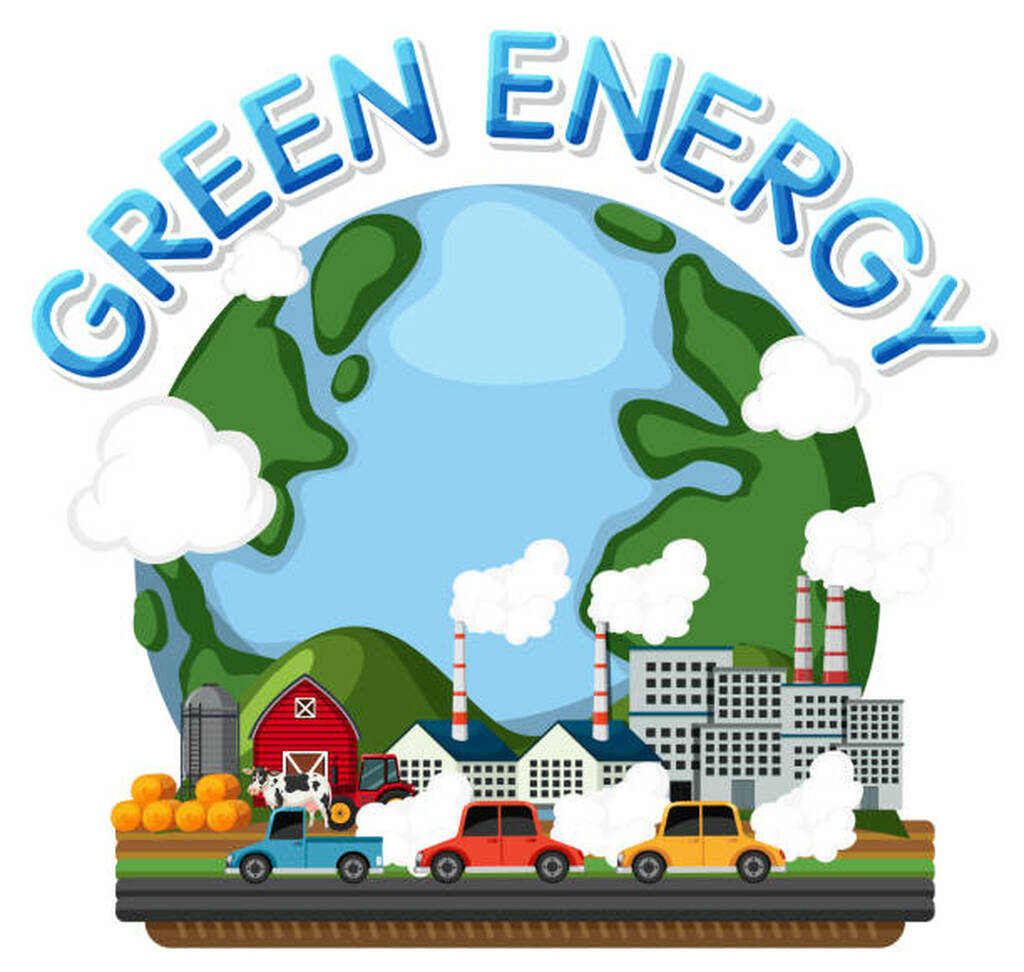
In an era defined by climate change and resource depletion, the choices we make as consumers have never been more critical. Every purchase is a vote for the world we want to live in, and increasingly, that world is one powered by eco-friendly products. These are not just fleeting trends; they represent a fundamental shift towards a sustainable, circular economy that prioritizes the health of our planet over short-term profits.
Choosing environmentally friendly alternatives—from biodegradable packaging and organic cotton clothing to energy-efficient appliances and refillable household cleaners—is one of the most direct and impactful ways individuals can contribute to a healthier environment. But what exactly are the profound ways these products benefit our world? This comprehensive guide delves into the core advantages, outlining how sustainable consumption is the key to preserving our natural heritage and securing a prosperous future.
🌎 Unpacking the Core Environmental Benefits
The benefit of eco-friendly products is best understood through a life-cycle analysis—from the sourcing of raw materials to manufacturing, usage, and ultimate disposal. At every stage, these products are consciously designed to minimize negative impacts, resulting in a cascading set of benefits for the entire ecosystem.
1. Reduces Pollution: Cleaner Air, Water, and Soil
Conventional manufacturing is notoriously reliant on synthetic chemicals, fossil fuels, and processes that generate significant toxic waste. Eco-friendly products, by their very definition, seek to eliminate or drastically reduce these harmful outputs, directly tackling pollution across all environmental mediums.
- Minimizing Chemical Discharge: Sustainable alternatives often use natural, non-toxic, and biodegradable ingredients. For example, switching to an eco-friendly cleaning product means fewer phosphates, chlorine, and harsh chemicals are washed down drains to contaminate rivers and oceans, protecting aquatic life and reducing the strain on water treatment facilities.
- Cleaner Air: Production processes for green goods typically prioritize renewable energy sources (like solar or wind) and implement energy-efficient technologies. This reduces the burning of fossil fuels, leading to lower emissions of nitrogen oxides, sulfur dioxide, and particulate matter, which are major contributors to smog, acid rain, and respiratory diseases.
- Soil Health Preservation: Organic and sustainable agriculture, which provides the raw materials for many eco-friendly products (such as organic cotton or hemp), avoids synthetic pesticides and fertilizers. This practices safeguards soil structure, promotes biodiversity, and prevents chemical runoff that would otherwise pollute local waterways.
2. Conserves Natural Resources: Preserving the Planet’s Endowment

Every item produced using traditional methods requires an extraction of finite natural resources—oil for plastic, virgin timber for paper, or vast amounts of water for conventional cotton farming. Eco-friendly products directly address this depletion by embracing principles of resource efficiency and circularity.
- Reliance on Renewable and Recycled Materials: Many sustainable goods are made from rapidly renewable resources like bamboo, hemp, or cork, which can be harvested without destroying the parent plant or requiring long regeneration periods. Crucially, others are made from recycled content (e.g., post-consumer plastic, recycled glass, or reclaimed wood), which significantly reduces the demand for virgin materials.
- Water Stewardship: The production of certain conventional materials is incredibly water-intensive. For instance, eco-friendly textiles, such as Tencel or recycled fibers, require far less water than conventional cotton, helping to conserve this increasingly precious resource, especially in drought-prone regions.
- Forest Protection: Products certified by organizations like the Forest Stewardship Council (FSC) ensure that the wood and paper used come from responsibly managed forests, promoting sustainable forestry and protecting vital ecosystems that are crucial for carbon sequestration and biodiversity.
3. Lowers Carbon Footprint: The Fight Against Climate Change

The carbon footprint of a product encompasses the total greenhouse gas (GHG) emissions generated across its entire lifecycle. Eco-friendly products are explicitly designed to be carbon-light, playing a critical role in the global effort to mitigate climate change.
- Energy-Efficient Production and Use: From solar-powered factories to appliances with high energy ratings, sustainable manufacturing processes actively reduce energy consumption and rely on clean energy sources. Furthermore, the products themselves—like LED light bulbs, insulated goods, or fuel-efficient vehicles—reduce the energy consumption required during the use phase.
- Reduced Transport Emissions: Prioritizing locally sourced materials or finished goods, as well as opting for efficient, minimalist eco-friendly packaging, reduces the distance products travel from factory to consumer. This cutback in freight mileage translates directly to lower emissions from ships, trucks, and planes.
- Carbon Sequestration: Products derived from plants that are grown using sustainable agriculture practices—such as regenerative farming—can actually help pull carbon dioxide out of the atmosphere and store it in the soil, transitioning from a carbon emitter to a carbon sink.
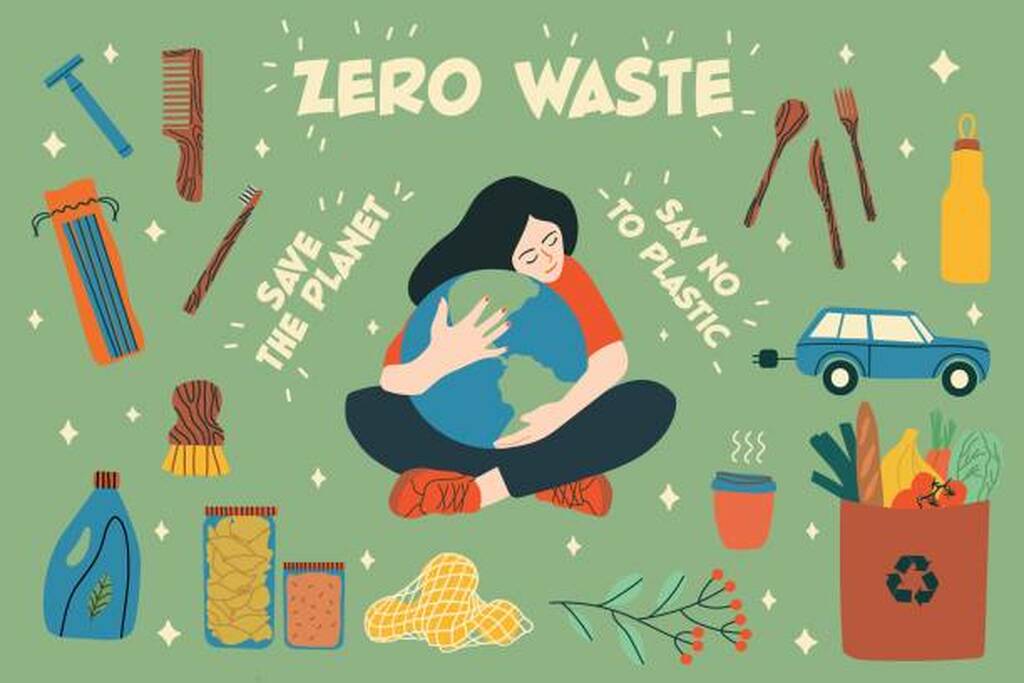
4. Minimizes Waste: Promoting a Zero-Waste Lifestyle
One of the most visible impacts of unsustainable consumption is the massive volume of landfill waste and plastic pollution. Eco-friendly products are a foundational pillar of the zero-waste lifestyle movement.
- Designed for Durability and Repairability: Unlike disposable goods built for planned obsolescence, sustainable items are often higher quality, made to last, and designed to be easily repaired. This longevity drastically extends the product’s useful life, cutting down on the frequency of replacement and disposal.
- Compostability and Biodegradability: At the end of their lifecycle, many eco-friendly items are made from materials that can safely return to the earth, such as compostable packaging or natural fibers. This ensures they don’t sit in a landfill for centuries or break down into harmful microplastics.
- Reusability and Refill Systems: The rise of reusable products—silicone food storage, washable cloth towels, and refillable bottles for household liquids—directly replaces single-use plastics, creating a closed-loop system where the product is continuously kept in use.
🤝 Beyond Ecology: Socio-Economic and Ethical Impact
The influence of eco-friendly products extends far beyond strictly ecological metrics. They serve as a powerful economic and social tool, driving positive change across industries and communities.
5. Promotes Sustainability: A Model for Future Generations
The concept of sustainability is about meeting the needs of the present without compromising the ability of future generations to meet their own needs. Eco-friendly products are the tangible manifestation of this ideal.
- Shifting Consumer Mindset: When consumers choose sustainable options, they signal to the market that environmental stewardship is a priority. This increasing demand fuels innovation, making green technologies cheaper and more accessible, ultimately normalizing sustainable consumption as the standard, not the exception.
- Driving a Circular Economy: By designing products for longevity, repair, and end-of-life recycling or composting, companies are moving away from the linear “take-make-dispose” model toward a circular economy. This systemic change is essential for long-term environmental and economic resilience.
6. Encourages Ethical Practices: Prioritizing People and Planet
The journey of an eco-friendly product is often intertwined with rigorous ethical standards, ensuring that people are treated as fairly as the planet.
- Fair Trade and Labor Standards: Many sustainable brands adhere to Fair Trade principles or similar certifications, guaranteeing safe working conditions, fair wages, and non-exploitative labor practices for the workers who grow the materials or manufacture the goods.
- Transparency and Accountability: Companies committed to ethical consumerism often provide transparent reporting on their supply chains, energy use, and material sourcing. This level of accountability pushes all businesses to operate with greater integrity and responsibility.
- Cruelty-Free Commitment: The eco-friendly and ethical movements frequently overlap, leading to a greater prevalence of products that are cruelty-free and do not rely on animal testing or the use of animal-derived ingredients where viable alternatives exist.
7. Supports Local Economies: Building Resilient Communities
While global trade is a reality, the preference for locally or regionally sourced materials and manufacturing is a hallmark of many eco-friendly products.
- Reduced Transportation Costs and Emissions: As noted, buying local drastically reduces the carbon footprint associated with shipping.
- Community Investment: Supporting small, local businesses focused on sustainable practices keeps capital within the community, fostering local job growth, diversifying the regional economy, and creating a strong base of ethical, environmentally conscious producers.
- Preserving Local Craftsmanship: Local production often involves traditional or artisanal techniques, which are generally less industrial and therefore less energy and resource-intensive than mass-production methods.
💡 Conclusion: The Power of Conscious Consumption
The answer to the question, “How do eco-friendly products help the environment?” is clear and multifaceted. They are catalysts for change, working systematically to reduce pollution, conserve natural resources, slash the carbon footprint of global consumption, and champion a zero-waste lifestyle. Furthermore, they are a powerful vehicle for promoting sustainability, encouraging ethical practices, and strengthening local economies.
By shifting our purchasing power toward these environmentally friendly alternatives, we are not just making a series of minor changes; we are collectively initiating a global revolution in production and consumption. Every time a consumer chooses a reusable bag, a natural fiber shirt, or an energy-efficient appliance, they send a powerful message: the health of our planet is non-negotiable. The future is green, and the small, conscious choice made today is the fundamental building block of a more sustainable tomorrow.
Take Action: Start your sustainable living journey today by swapping just one conventional product for its eco-friendly alternative and feel the ripple effect of your decision.

Author: Sustainable Talks
Talk Green. Think Change. Act Sustainably. 🌍 Ideas, stories & actions for a greener future.