





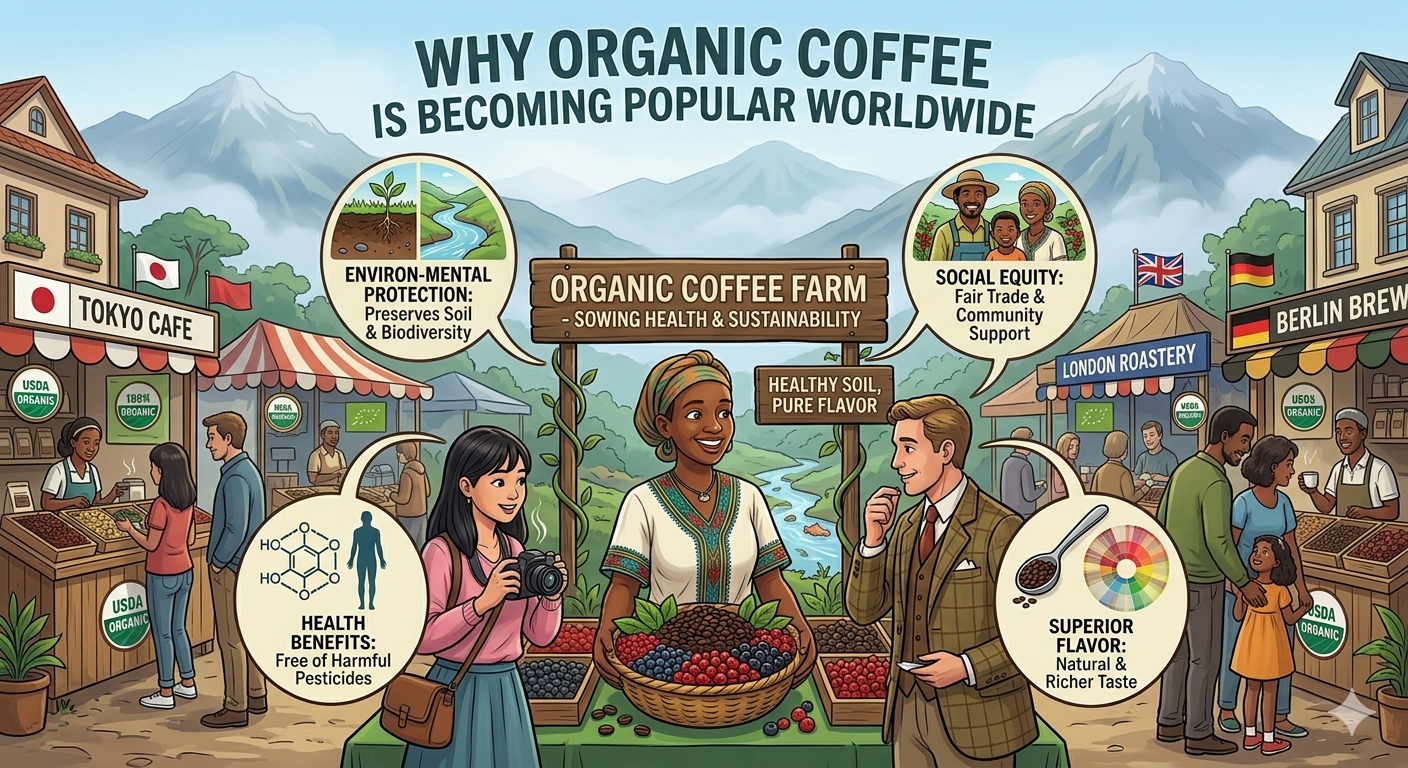
Introduction: Why Organic Coffee Is Becoming Popular Worldwide
Organic coffee is gaining popularity as more consumers look for healthier and environmentally friendly beverages. Unlike conventional coffee, organic coffee is grown without synthetic pesticides, herbicides, or chemical fertilizers. This natural approach supports sustainable agriculture, protects ecosystems, and produces high-quality coffee beans with a rich flavor.
What Is Organic Coffee?
Organic coffee refers to coffee beans grown using natural farming methods without harmful agricultural chemicals. Farmers rely on organic fertilizers, compost, and biological pest control instead of synthetic substances. Certified organic coffee must meet strict agricultural standards that promote environmental protection and sustainable farming practices.
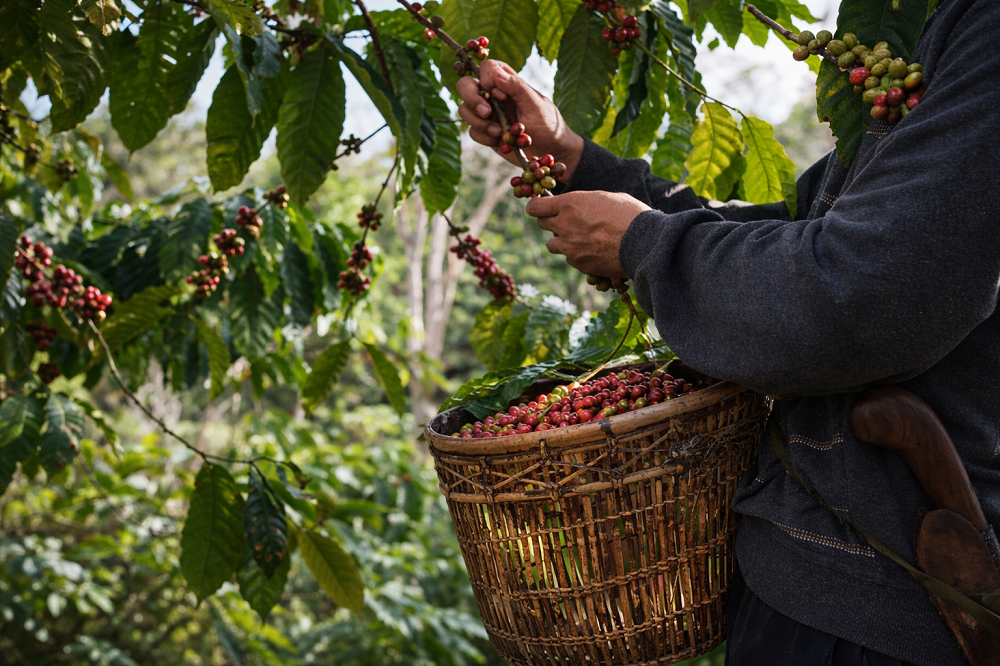
Sustainable Farming Practices in Organic Coffee Production
Organic coffee farming focuses on long-term environmental sustainability. Farmers use natural techniques to maintain soil fertility, protect ecosystems, and conserve natural resources.
Some common sustainable practices include:
- Composting and organic fertilizers to enrich soil
- Crop rotation and intercropping to maintain soil nutrients
- Shade-grown coffee systems that protect ecosystems
- Water conservation and protection of natural water sources
These practices ensure that organic coffee farms remain productive while preserving the environment for future generations.
How Organic Coffee Farming Promotes Sustainable Agriculture
Organic coffee production supports the principles of sustainable agriculture by balancing environmental protection, economic viability, and social responsibility.
Key sustainable agriculture benefits include:
- Reduced chemical pollution in soil and water
- Improved soil biodiversity and fertility
- Protection of natural ecosystems
- Support for small-scale farmers and local communities
Because organic farming works with nature instead of against it, it helps create a more resilient agricultural system.

Organic Coffee Is Cultivated Without Harmful Agricultural Chemicals
A major difference between organic and conventional coffee is the use of chemicals in farming.
Conventional coffee farms often use synthetic pesticides and fertilizers to increase yields. However, these chemicals can harm the environment and pose risks to farm workers.
Organic coffee farming eliminates these harmful substances and instead relies on natural solutions such as:
- Organic compost and manure
- Natural pest control methods
- Mulching and manual weed management
This approach creates a safer and healthier environment for both farmers and consumers.
Potential Health Benefits of Organic Coffee
Organic coffee contains several beneficial compounds that may support overall health. Coffee naturally contains antioxidants, vitamins, and minerals that help protect the body from oxidative stress.
Potential health benefits of organic coffee include:
- High levels of antioxidants that fight free radicals
- Support for heart health
- Improved mental alertness and focus
- Possible reduction in risk of type 2 diabetes
- Increased energy due to natural caffeine content
Because organic coffee is grown without chemical pesticides, many consumers prefer it as a cleaner and more natural beverage option.

Richer and More Natural Flavor of Organic Coffee
Flavor is one of the most appealing aspects of organic coffee. Many coffee lovers believe organic coffee offers a richer, smoother, and more authentic taste.
This improved flavor comes from several factors:
- Nutrient-rich soil in organic farms
- Slower growth under natural shade conditions
- Traditional harvesting and processing methods
These conditions allow coffee beans to develop complex flavor profiles, producing aromas that may include chocolate, fruit, nuts, or floral notes.
Organic Coffee Farming Helps Protect Biodiversity
Organic coffee farms often support a wide range of plant and animal species. Many organic farms use shade-grown systems where coffee plants grow beneath trees.
These systems provide habitats for:
- Birds
- Bees and pollinators
- Insects and beneficial organisms
- Small mammals and forest wildlife
Because organic farms avoid harmful pesticides, ecosystems remain healthier and more balanced. This biodiversity also helps control pests naturally, reducing the need for chemical treatments.

Organic Coffee vs Regular Coffee: Key Differences
Understanding the differences between organic and conventional coffee can help consumers make informed choices.
1. Farming Methods
Organic coffee is grown using natural farming practices, while conventional coffee often relies on synthetic chemicals.
2. Environmental Impact
Organic farming protects soil health, water quality, and biodiversity, whereas conventional farming may cause environmental damage.
3. Chemical Use
Organic coffee avoids pesticides, herbicides, and chemical fertilizers.
4. Certification
Organic coffee must meet strict certification standards before it can be labeled as organic.
5. Flavor and Quality
Many consumers report that organic coffee offers a cleaner and more complex flavor.
Conclusion: Why Organic Coffee Is a Better Sustainable Choice
Organic coffee offers numerous benefits for consumers, farmers, and the environment. By avoiding harmful chemicals and promoting sustainable farming practices, organic coffee supports healthier ecosystems and more responsible agriculture.
In addition to environmental advantages, organic coffee may provide potential health benefits and a richer flavor that appeals to coffee enthusiasts worldwide. As global awareness of sustainability continues to grow, organic coffee is becoming an increasingly popular choice for people who want a high-quality beverage that also supports environmental protection.
Frequently Asked Questions About Organic Coffee
1. What is organic coffee?
Organic coffee is coffee grown without synthetic pesticides, herbicides, or chemical fertilizers. Farmers use natural fertilizers, compost, and biological pest control methods to maintain soil health and protect the environment.
2. Is organic coffee healthier than regular coffee?
Organic coffee may be considered healthier because it is cultivated without harmful agricultural chemicals. It also contains antioxidants that may help reduce inflammation and support overall health.
3. What are the environmental benefits of organic coffee farming?
Organic coffee farming helps protect soil quality, reduces water pollution, and supports biodiversity. It also promotes sustainable agriculture by using natural farming practices.
4. Does organic coffee taste better than regular coffee?
Many coffee enthusiasts believe organic coffee has a richer and more natural flavor. Healthy soil and slower plant growth often allow beans to develop more complex taste profiles.
5. Why is organic coffee more expensive?
Organic coffee can cost more because farmers follow strict certification standards and use labor-intensive natural farming methods instead of chemical inputs.
6. How does organic coffee protect biodiversity?
Organic coffee farms often use shade-grown systems that provide habitats for birds, insects, and other wildlife. By avoiding pesticides, these farms help maintain healthy ecosystems.
7. What is the difference between organic coffee and regular coffee?
The main difference is the farming method. Organic coffee is grown using natural fertilizers and pest control methods, while conventional coffee may use synthetic chemicals and pesticides.
8. Is organic coffee better for farmers?
Organic coffee farming can improve farmer safety by reducing exposure to harmful chemicals. It may also support fair trade practices and sustainable farming communities.

Author: Sustainable Talks
Talk Green. Think Change. Act Sustainably. 🌍 Ideas, stories & actions for a greener future.