



In today’s world, the fashion industry is rapidly evolving. With growing awareness about climate change, pollution, and waste, consumers are seeking eco-friendly fashion alternatives. From sustainable clothing to innovative fabrics made from recycled materials, the shift towards environmentally friendly clothing is more than a trend—it’s a movement.
This article explores the most popular eco-friendly clothing materials, their benefits, and how they contribute to sustainable fashion. Whether you’re a conscious consumer, a fashion brand, or just curious about green alternatives, this guide will help you make informed choices.
Why Eco-Friendly Fashion Matters
The traditional fashion industry is one of the largest polluters in the world. Fast fashion, synthetic fibers, and wasteful manufacturing processes have led to:
- Excessive carbon emissions
- Microplastic pollution in oceans
- High water consumption
- Unsafe working conditions
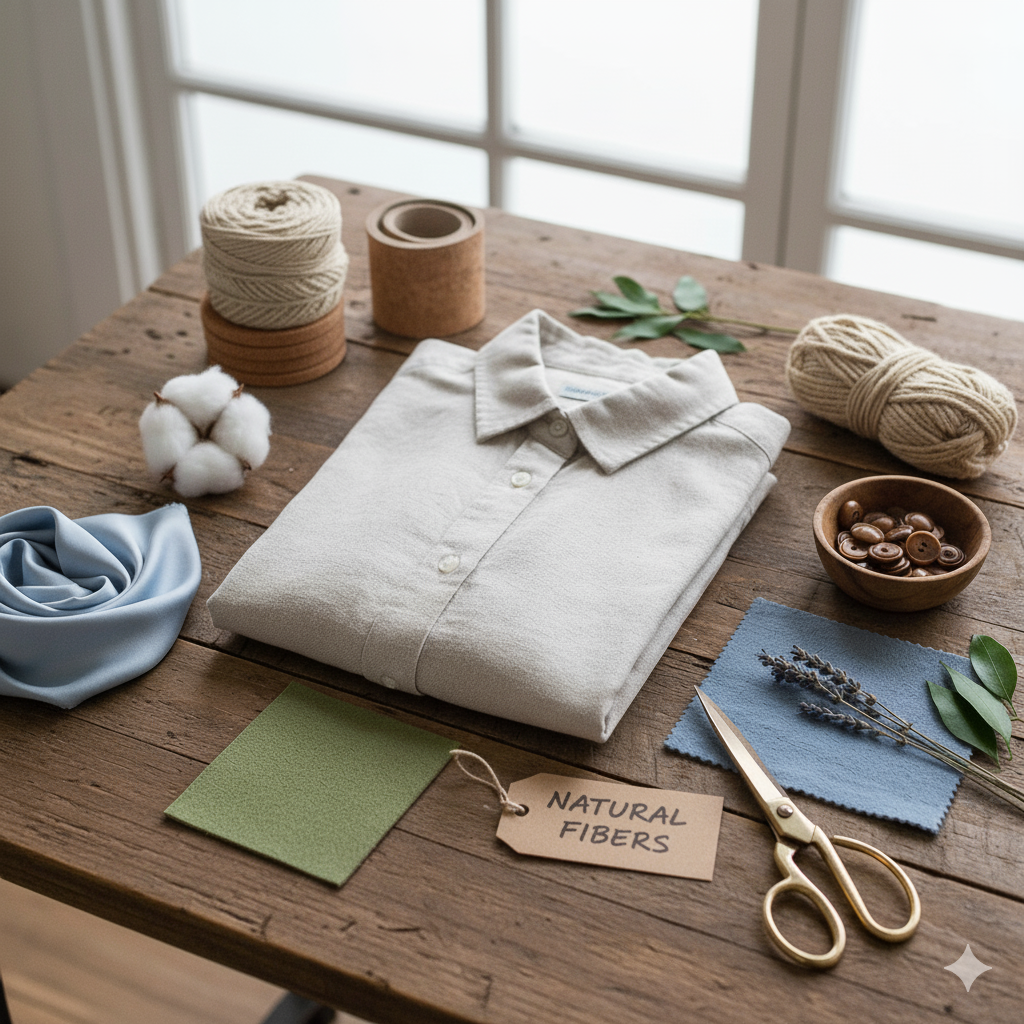
Switching to sustainable clothing made from eco-friendly materials significantly reduces environmental damage. These fabrics are renewable, biodegradable, or recyclable—supporting both the planet and the people involved in their production.
Top Eco-Friendly Clothing Materials
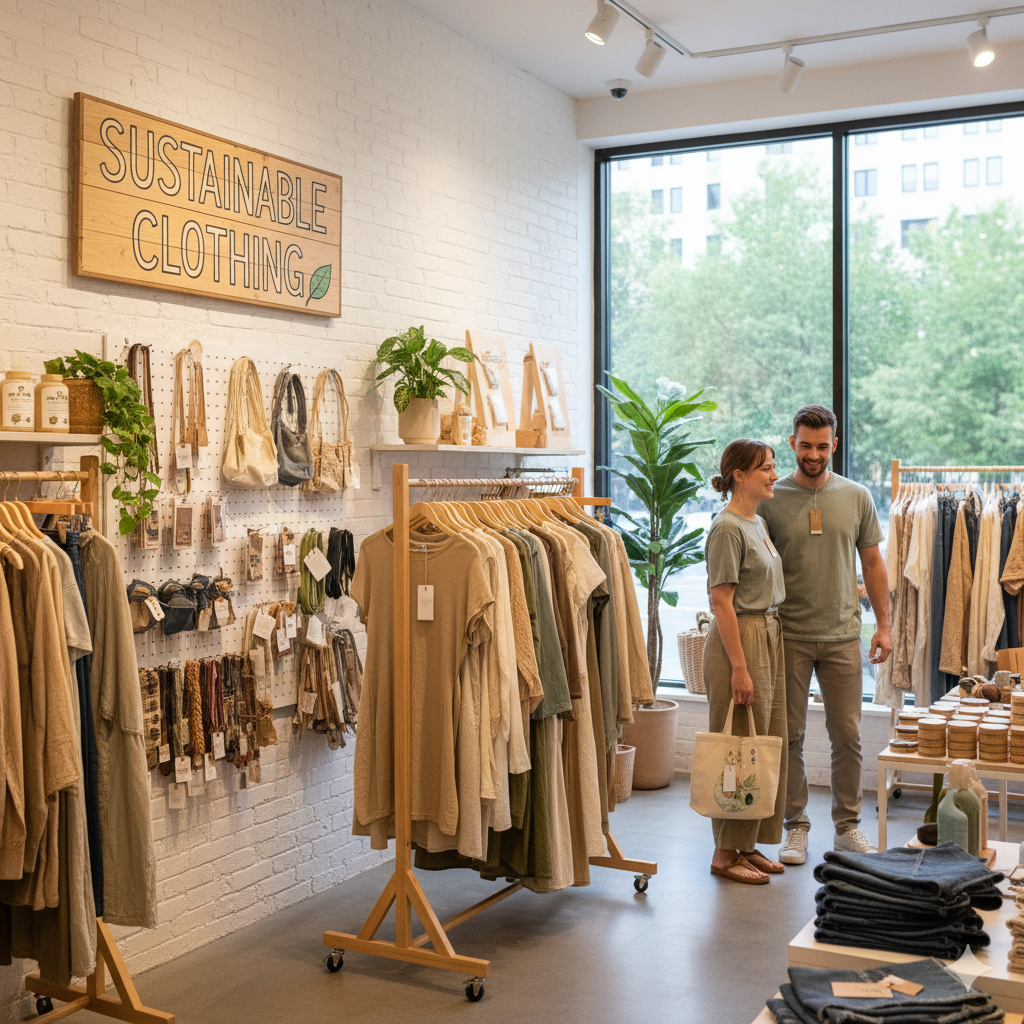
Here’s a breakdown of the most popular materials leading the sustainable fashion movement.
1. Organic Cotton
Organic cotton is grown without harmful pesticides, synthetic fertilizers, or genetically modified seeds. It uses less water than conventional cotton and is healthier for farmers, ecosystems, and consumers.
Benefits of organic cotton:
- Soft, breathable, and durable
- Hypoallergenic (great for sensitive skin)
- Biodegradable and renewable
- Supports fair trade farming practices
Organic cotton is widely used in sustainable clothing like T-shirts, jeans, underwear, and baby clothes.
2. Recycled Polyester
One of the most innovative materials in eco-friendly fashion is recycled polyester. Made from post-consumer plastic bottles or textile waste, recycled polyester prevents plastic from ending up in landfills and oceans.
Benefits of recycled polyester:
- Strong, durable, and lightweight
- Reduces dependence on virgin petroleum-based polyester
- Uses 50% less energy compared to traditional polyester
- Keeps plastic waste out of the environment
Recycled polyester is commonly found in sportswear, jackets, activewear, and accessories.
3. Hemp
Hemp fabric is one of the oldest and most sustainable textiles on the planet. Hemp plants grow quickly, require little water, and don’t need pesticides.
Benefits of hemp clothing:
- Naturally resistant to pests and mold
- Stronger than cotton yet softens with use
- Breathable and UV-resistant
- 100% biodegradable
Hemp is used in shirts, trousers, shoes, and even accessories like hats and bags.
4. Bamboo
Bamboo fabric is made from fast-growing bamboo plants. While some bamboo fabrics require chemical processing, responsibly produced bamboo textiles like bamboo lyocell are eco-friendly.
Benefits of bamboo fabric:
- Soft, silky texture similar to cashmere
- Naturally antibacterial and moisture-wicking
- Biodegradable (when produced responsibly)
- Requires minimal water to grow
Bamboo is a rising star in sustainable fashion, particularly for underwear, socks, and athleisure.
5. Tencel (Lyocell and Modal)
Tencel is a brand name for lyocell and modal fibers made from sustainably sourced wood pulp. Produced in a closed-loop system, almost all chemicals and water are recycled.
Benefits of Tencel:
- Smooth, breathable, and lightweight
- Biodegradable and compostable
- Produced with minimal waste and emissions
- Excellent moisture management
Tencel is popular in dresses, shirts, bedsheets, and luxury sustainable clothing.
6. Linen
Made from the flax plant, linen is one of the most eco-friendly natural fabrics. It has been used for centuries and remains a staple in sustainable fashion.
Benefits of linen:
- Durable and long-lasting
- Requires little water and pesticides
- Naturally breathable and moisture-resistant
- Fully biodegradable
Linen is commonly used in summer wear, suits, home textiles, and accessories.
7. Piñatex (Pineapple Leather)
Piñatex is a vegan leather alternative made from pineapple leaf fibers. It provides an ethical replacement for animal leather without harming the environment.
Benefits of Piñatex:
- Cruelty-free and vegan
- Strong and flexible
- Utilizes agricultural waste (pineapple leaves)
- Reduces reliance on animal leather and plastics
This innovative fabric is used in shoes, bags, and jackets.
8. Econyl (Recycled Nylon)
Econyl is a regenerated nylon made from fishing nets, fabric scraps, and industrial plastic waste. It has the same qualities as virgin nylon but with a much lower environmental impact.
Benefits of Econyl:
- 100% recyclable and reusable
- Durable, elastic, and lightweight
- Keeps plastic waste out of oceans
- Reduces reliance on new petroleum resources
Econyl is popular in swimwear, sportswear, and outerwear.
9. Cork Fabric
Harvested from the bark of cork oak trees, cork fabric is a renewable and biodegradable material. The trees aren’t cut down, allowing the bark to regrow.
Benefits of cork fabric:
- Lightweight, waterproof, and durable
- Naturally hypoallergenic and antimicrobial
- Renewable and biodegradable
- Unique natural texture
Cork is widely used in bags, wallets, shoes, and accessories.
How to Identify Environmentally Friendly Clothing
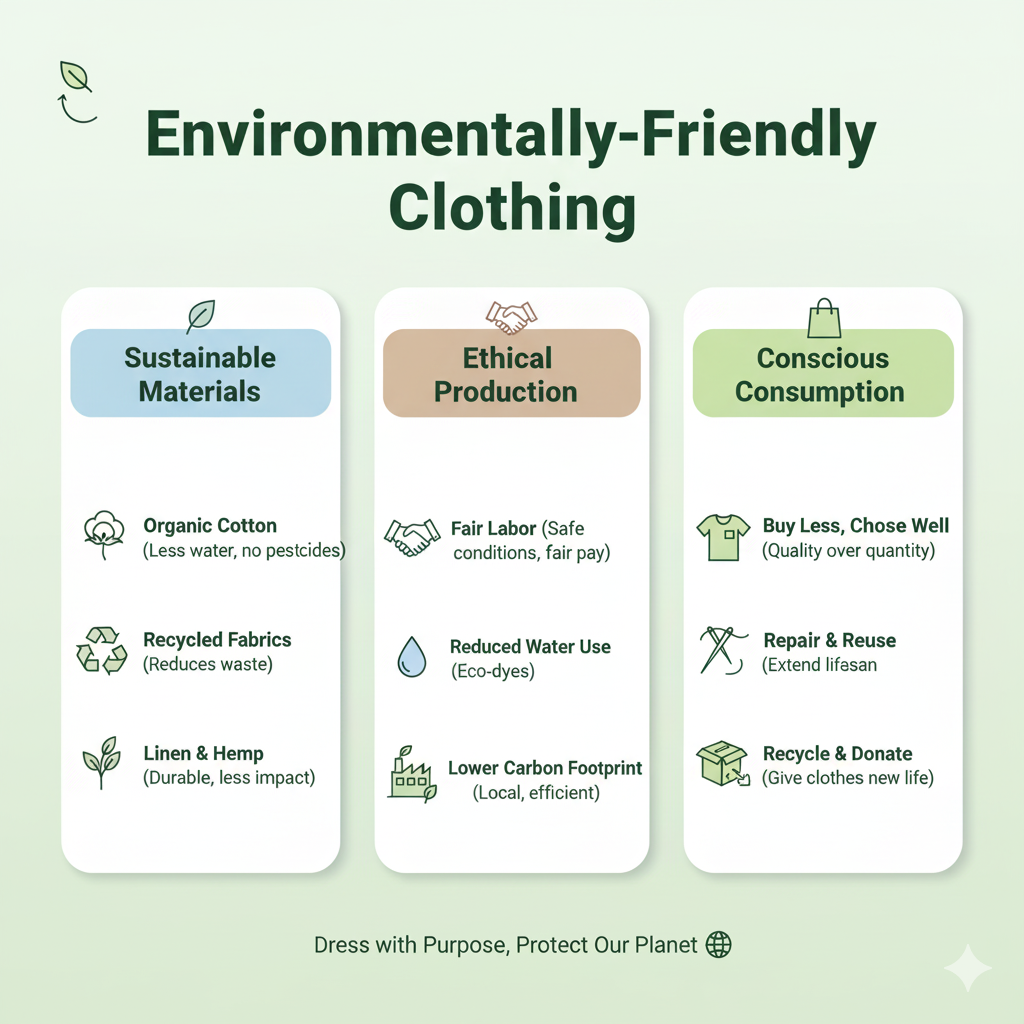
When shopping for sustainable fashion, look for:
- Certifications: GOTS (Global Organic Textile Standard), OEKO-TEX, Fair Trade, Bluesign
- Labels: Organic, recycled, or vegan-friendly
- Brand Transparency: Companies that disclose supply chains and ethical practices
- Durability: Long-lasting, high-quality clothing reduces waste
The Benefits of Choosing Sustainable Clothing
Switching to eco-friendly fashion has advantages beyond protecting the planet:
- Better for Your Health – Natural fabrics are non-toxic and breathable.
- Ethical Production – Supports fair labor and safe working conditions.
- Long-Term Savings – Durable fabrics mean fewer replacements.
- Reduced Waste – Biodegradable and recyclable fabrics minimize landfill impact.
By supporting sustainable fashion, consumers contribute to a greener, fairer, and healthier world.
Tips for Building a Sustainable Wardrobe
- Choose timeless, versatile styles over fast-fashion trends
- Buy from eco-conscious brands
- Opt for secondhand or vintage clothing
- Care for clothes properly to extend their lifespan
- Recycle or donate unwanted garments
Every small change adds up to a significant environmental impact.
FAQs About Eco-Friendly Fashion
Q1: What is the most eco-friendly clothing material?
A1: Organic cotton, hemp, and Tencel are among the most sustainable because they are natural, biodegradable, and require minimal resources.
Q2: Is recycled polyester really sustainable?
A2: Yes. While it’s still synthetic, recycled polyester reduces plastic waste and energy use compared to virgin polyester, making it a better alternative.
Q3: Is bamboo clothing truly eco-friendly?
A3: Bamboo can be eco-friendly if produced responsibly, such as bamboo lyocell, which uses a closed-loop process with minimal chemicals.
Q4: How can I make my wardrobe more sustainable?
A4: Buy less but better, choose sustainable clothing materials, shop secondhand, and properly care for your clothes to make them last.
Q5: Why should I switch to eco-friendly fashion?
A5: It helps reduce pollution, saves water, prevents plastic waste, supports ethical practices, and promotes a healthier planet.
Final Thoughts
Eco-friendly fashion isn’t just about trends—it’s about responsibility. By choosing sustainable clothing made from materials like organic cotton, recycled polyester, hemp, bamboo, and Tencel, we can significantly reduce our environmental footprint.
As consumers, every purchase is a vote for the future we want. Supporting sustainable fashion means embracing environmentally friendly clothing that protects the planet, respects workers, and promotes a healthier lifestyle.
Switch today—and wear the change you wish to see.