
Introduction
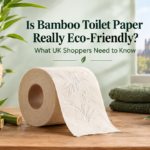
Walk down the toilet paper aisle at any UK supermarket, and you’ll notice a growing selection of bamboo alternatives. With packaging featuring green leaves and promises of sustainability, these products have become the darling of environmentally conscious shoppers. But does bamboo toilet paper live up to its eco-friendly reputation?
The answer isn’t as straightforward as the marketing suggests. While bamboo is indeed a renewable resource that grows faster than traditional trees, the complete picture of bamboo toilet paper’s environmental impact involves complex supply chains, agricultural practices, and manufacturing processes that deserve deeper scrutiny.
This guide breaks down what UK shoppers actually need to know before making the switch to bamboo toilet paper.
The Bamboo Advantage: Why It’s Generating Hype
Before examining the drawbacks, it’s worth understanding why bamboo toilet paper has gained traction in the sustainability movement.
Rapid Growth and Renewability
Bamboo is genuinely impressive from an agricultural standpoint. It’s one of the fastest-growing plants on Earth, reaching maturity in just 3-5 years compared to 20-30 years for softwood trees. This rapid regeneration means it doesn’t require replanting, as it regrows from its root system after harvesting. In theory, this makes it far more renewable than the traditional wood pulp used in conventional toilet paper.
Lower Carbon Footprint (In Theory)
Studies suggest that growing bamboo produces lower carbon emissions compared to traditional forestry. The plant also absorbs more carbon dioxide during its growth cycle, which some manufacturers highlight as an additional environmental benefit.
Virgin Fibre Production
Unlike recycled toilet paper, which some find less soft, bamboo can produce tissue that feels comparable to conventional toilet paper whilst being made from a renewable resource.
The Reality Check: Environmental Concerns That Matter
However, the bamboo toilet paper story becomes considerably more complicated when examining actual production practices and environmental impact.
Monoculture Plantations and Habitat Loss
The vast majority of bamboo used for tissue production doesn’t grow in sustainable, biodiverse forests. Instead, it’s farmed in industrial monocultures—particularly in China, Vietnam, and Indonesia—where natural forests have been cleared to make way for bamboo plantations.
These monocultures present significant problems:
- Biodiversity loss: Monoculture plantations lack the ecological complexity of natural forests, supporting far fewer species
- Soil degradation: Continuous bamboo cultivation depletes soil nutrients without the regenerative benefits of mixed-species forests
- Ecosystem disruption: Large-scale bamboo farming in Southeast Asia has contributed to habitat loss for endangered species
The irony is troubling: some bamboo toilet paper is produced from bamboo grown where biodiverse rainforests once stood.
Chemical-Intensive Farming Practices
Industrial bamboo farming frequently relies on heavy pesticide and fertilizer use. China, the world’s largest bamboo producer, has relatively lenient regulations around agricultural chemical use compared to UK standards. This means:
- Synthetic pesticides are applied liberally to protect crops
- Chemical runoff pollutes local waterways, affecting communities dependent on these water sources
- Fertilizer use contributes to soil and water pollution in production regions
For UK shoppers concerned about chemical residues and environmental poisoning in producing countries, this is a significant consideration.
The Manufacturing Process: Chemical-Heavy Production
Here’s what many sustainable toilet paper brands gloss over: converting bamboo into tissue requires intensive processing.
The standard process involves:
- Breaking down bamboo biomass using harsh chemicals, typically sodium hydroxide and carbon disulphide
- Bleaching the resulting pulp (often with chlorine-based bleaches)
- Processing and treating with binders and softeners
This viscose or rayon production method is notoriously chemical-intensive. Whilst closed-loop processes attempt to recycle chemicals, the reality varies significantly between manufacturers. Many facilities—particularly in China and Southeast Asia—operate with minimal environmental controls, releasing harmful chemicals into local water systems.
Workers in these facilities face significant occupational health risks, though this often receives less attention in Western marketing campaigns focused on environmental angles.
Water Consumption
Though less water-intensive than conventional tissue production, bamboo toilet paper manufacturing still requires substantial water resources. The viscose process uses considerable amounts of water for washing, bleaching, and processing. In water-scarce regions where bamboo is grown, this can strain local water supplies.
Transportation and Supply Chain Realities
Bamboo toilet paper marketed in the UK typically originates from China, Vietnam, or Indonesia. The global supply chain impacts must be considered:
- Shipping emissions: Products are typically shipped internationally, adding carbon footprint
- Packaging concerns: Many brands use plastic packaging, undermining sustainability claims
- Storage and distribution: Cold chain and warehouse requirements add environmental costs
Some UK-based brands have begun producing bamboo toilet paper domestically, but this remains the exception rather than the norm.
The Microplastic Problem
An often-overlooked concern: some bamboo toilet paper products shed microplastics during use due to the additives and processing methods employed. These microplastics can end up in sewage systems and ultimately in waterways and marine environments, where they persist indefinitely.
This is a developing area of research, but it’s a potential hidden cost of certain brands’ production processes.
Is Bamboo Better Than Conventional Toilet Paper?
On balance, bamboo toilet paper produced with genuine environmental controls can be less impactful than virgin wood pulp tissue. However, the margin of advantage is often overstated.
The verdict depends on:
- Manufacturing practices and chemical management at production facilities
- The source of the bamboo (plantation vs. natural forest origin)
- Transportation distance to UK consumers
- Packaging materials used
What UK Shoppers Should Actually Look For
If you’re committed to more sustainable toilet paper, these factors matter more than simply choosing “bamboo”:
Certifications That Mean Something
- Forest Stewardship Council (FSC): Independent verification of responsible forestry practices
- EU Ecolabel: Rigorous environmental criteria across production
- PEFC Certification: Chain of custody verification for sustainable forestry
- B Corp Certification: Broader environmental and social responsibility standards
Manufacturing Transparency
Seek brands that clearly communicate:
- Where bamboo is sourced (specific countries/regions)
- What chemicals are used in processing
- Whether they use closed-loop manufacturing systems
- Water usage and treatment practices
Packaging Considerations
- Avoid unnecessary plastic packaging
- Look for recyclable or compostable alternatives
- Consider the total material footprint, not just the toilet paper itself
UK-Based and European Alternatives
Brands producing closer to home reduce transportation emissions. Some UK-based companies are experimenting with locally-sourced materials or more sustainable supply chains.
Alternative Options Worth Considering
Recycled Toilet Paper
This deserves serious consideration:
- Uses existing paper waste, reducing demand for virgin fibres
- Requires less processing than bamboo viscose
- Typically lower carbon footprint due to proximity of UK recycling systems
- Quality has improved significantly (no longer rough or uncomfortable)
FSC-Certified Wood Pulp
Not as trendy as bamboo, but responsibly-managed wood pulp from certified forests can be genuinely sustainable. Some producers have invested in reforestation programmes.
Toilet Paper Alternatives
The most sustainable toilet paper is the one you use less of:
- Bidets reduce consumption significantly
- Reusable cloth wipes (laundered responsibly) eliminate consumption entirely
- Wet wipes marketed as “flushable” or “bamboo” are often worse for the environment—they damage sewage systems
The Bottom Line for UK Consumers
Bamboo toilet paper isn’t inherently “greenwashing,” but the category is frequently marketed in ways that obscure uncomfortable truths about production practices, chemical use, and habitat loss.
Choosing bamboo toilet paper is better than remaining indifferent to environmental impact, but it shouldn’t be treated as a complete solution. The honest assessment: it’s a moderately better option if sourced responsibly, but not the sustainability saviour that marketing suggests.
Your best approach:
- Look beyond the “bamboo” label to certifications and transparency
- Consider recycled alternatives equally seriously
- Prioritise manufacturers providing clear environmental data
- Remember that reduced consumption is always more sustainable than any product swap
The most sustainable toilet paper is one from a company honest about its limitations and actively working to minimise impact—regardless of whether that’s bamboo, recycled, or responsibly-managed wood pulp.
FAQ: Your Bamboo Toilet Paper Questions Answered
Is bamboo toilet paper safe to use?
Yes, bamboo toilet paper from reputable manufacturers is safe. However, quality and safety standards vary. Choose brands with recognised certifications and transparent manufacturing practices. Avoid products marketed as having antimicrobial properties—these often contain problematic chemical additives.
Why does bamboo toilet paper cost more than regular tissue?
Several factors contribute to higher pricing:
- Smaller production scale than conventional tissue makers
- Transport costs from Asia to the UK
- Certification and compliance costs
- Brand positioning and marketing
- More labour-intensive production processes
Lower prices don’t necessarily indicate lower sustainability—some premium pricing reflects greenwashing rather than genuine environmental effort.
Can I compost bamboo toilet paper?
Most bamboo toilet paper breaks down similarly to conventional tissue and is suitable for home composting (check the packaging). However, traditional toilets are designed to handle tissue that breaks down in water, not compost systems, so flushing remains the intended use.
Is bamboo toilet paper septic-safe?
Yes, bamboo toilet paper generally behaves the same way as conventional tissue in septic systems. It breaks down in water effectively. However, avoid brands that market “extra strength” or durability features, as these might resist breakdown. Always flush in moderation regardless of brand.
What’s the difference between bamboo viscose and bamboo lyocell?
- Viscose (rayon): Standard production method; chemical-intensive with higher waste
- Lyocell: More advanced closed-loop process; uses fewer chemicals and recycles 99% of processing solvents
Lyocell is genuinely more environmentally friendly but costs significantly more, so it’s rare in budget toilet paper.
Is bamboo better for sensitive skin?
Bamboo tissue can be gentle on skin, but so can high-quality conventional tissue. The softness comes from manufacturing and processing, not the material source. If you have sensitive skin, test any brand regardless of whether it’s bamboo or not.
Why are some bamboo toilet papers plastic-wrapped?
Most brands use plastic packaging due to cost and practical considerations in retail distribution. Some sustainable brands have switched to cardboard or paper packaging, though these options are often more expensive. This is a legitimate point of criticism for mainstream bamboo toilet paper brands.
Should I feel guilty using toilet paper at all?
No, but consider your consumption. The average Brit uses significantly more toilet paper than other developed nations. Simple measures like not over-using per visit make a bigger difference than switching brands. Bidets and reusable alternatives are worth exploring if you’re serious about sustainability.
How do I know if a bamboo toilet paper brand is genuinely sustainable?
Look for:
- FSC, EU Ecolabel, or PEFC certification
- Transparent information about sourcing and production
- Clear statements about chemical use and waste management
- Company commitment to carbon neutrality or reduction targets
- Realistic environmental claims (not “100% eco-friendly”)
- Independent certifications, not just brand claims
Be sceptical of brands that focus exclusively on the “bamboo” angle without addressing manufacturing practices.
What should I do with my current toilet paper if I’m switching?
Finish what you have! Throwing away toilet paper to switch brands creates waste and undermines environmental benefits. Making incremental changes over time, as products run out, is more sustainable than discarding usable goods.
Are there any UK-based bamboo toilet paper manufacturers?
Yes, though options are limited. A few UK companies have begun producing bamboo tissue, though many still source bamboo internationally. Supporting UK-based producers reduces transportation emissions, though verify their manufacturing practices—location doesn’t guarantee sustainability.
Can I trust the “eco-friendly” claims on packaging?
Sceptically. Packaging claims must be supported by third-party certification to be meaningful. “Natural,” “eco-friendly,” and “sustainable” are marketing terms with no legal definition. Always look for verified certifications and transparent sourcing information behind the buzzwords.
Final Thoughts
The bamboo toilet paper debate reflects a broader challenge in sustainable living: most product choices exist within imperfect systems, and genuinely “guilt-free” consumption is largely impossible.
Bamboo toilet paper, when responsibly sourced and manufactured with environmental controls, represents an incremental improvement over conventional tissue. But it’s not a silver bullet for sustainable living, and marketing often obscures significant environmental concerns.
The most powerful choices remain consumption reduction, seeking transparency, supporting certified sustainable practices, and maintaining realistic expectations about what product swaps alone can achieve.
About This Article
This content is designed for UK consumers seeking honest, evidence-based information about sustainability claims. It reflects current understanding of bamboo textile production and environmental impact, though this field continues to evolve as manufacturing practices improve and research deepens.
Have thoughts or additional evidence on bamboo toilet paper’s sustainability? We’d welcome substantive comments that advance the conversation.

Author: Sustainable Talks
Talk Green. Think Change. Act Sustainably. 🌍 Ideas, stories & actions for a greener future.