





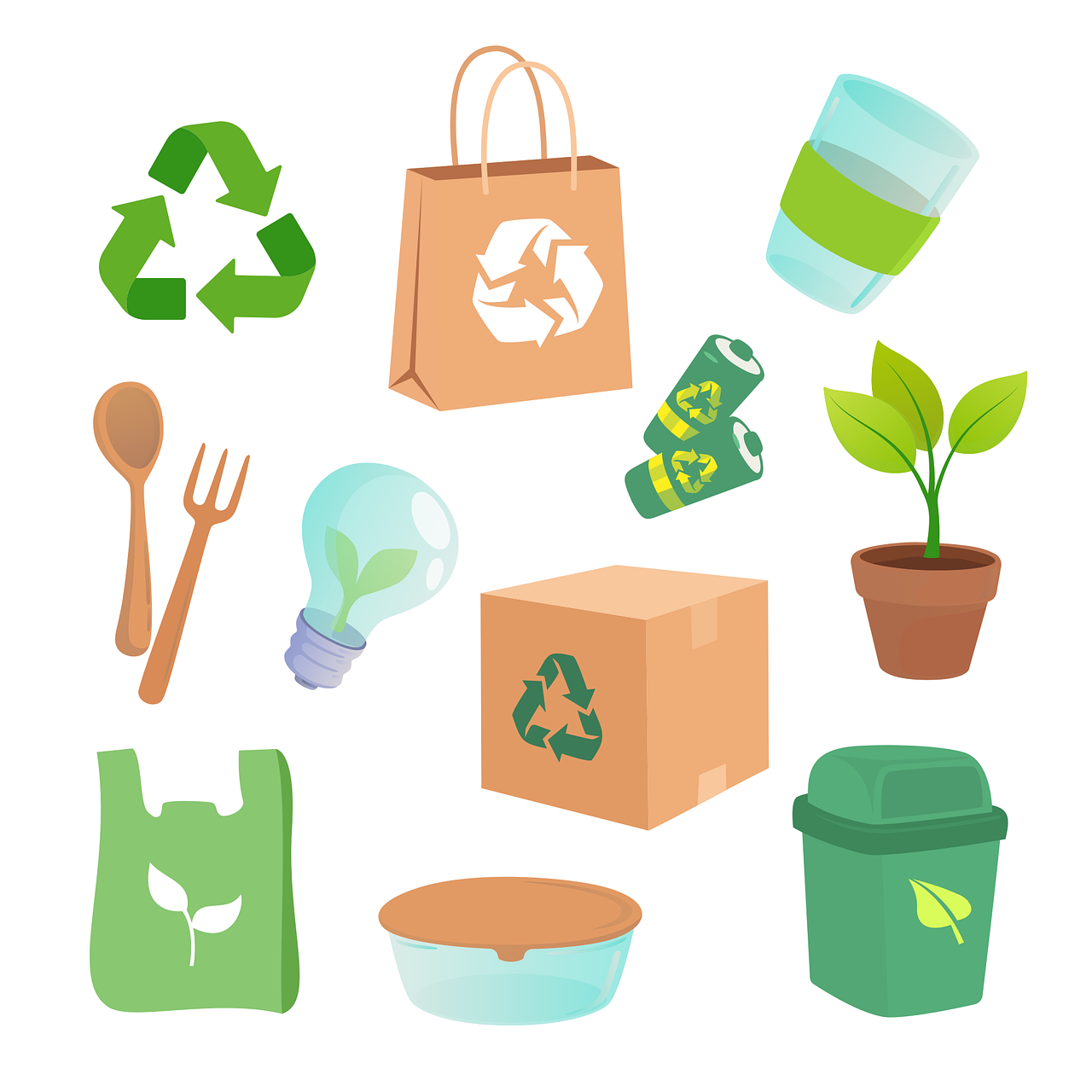
Introduction: The Imperative Shift Towards Zero Waste
In a world grappling with ecological crises, the sheer volume of human consumption and waste generation has become one of the most pressing issues of our time. Every year, billions of tons of trash clog our landfills, pollute our oceans, and degrade our air quality, threatening both planetary health and human well-being. The traditional linear economic model—take, make, use, dispose—is fundamentally incompatible with a finite planet.
The zero waste lifestyle is not a trendy fad; it is a critical paradigm shift and a powerful solution that addresses this crisis at its root. Defined by the Zero Waste International Alliance as the ethical, economical, and efficient goal to guide people to change their lifestyles and practices to emulate sustainable natural cycles, where all discarded materials are designed to be resources for others, a zero waste approach aims for 90% diversion of all discarded materials from landfills and incinerators.
This comprehensive guide delves into the profound importance of this lifestyle shift, exploring its far-reaching positive impacts across two key domains: environmental stewardship and personal/community empowerment. From conserving pristine natural resources to boosting your personal finances and fostering powerful community connections, the journey to zero waste is arguably the single most impactful choice an individual can make for a more sustainable and resilient future.
Part I: Profound Environmental Benefits of Zero Waste

The primary and most urgent motivation for embracing zero waste is the protection of our natural world. By actively minimizing what we consume and what we dispose of, we directly lessen the strain on Earth’s delicate ecosystems. This impact is multifaceted, creating a cascading positive effect that touches air, water, land, and climate stability.
1. Reduces Pollution: Cleaning Our Air and Water
Waste is directly linked to pollution at every stage of its lifecycle. Zero waste targets the sources of this contamination, offering a significant reprieve to our planet.
- Manufacturing Impact: The creation of new products, especially those destined for short-term use, requires massive amounts of energy and often involves toxic chemicals. Zero waste reduces demand for virgin materials, thereby cutting down on the industrial pollution released into the air and waterways during extraction and manufacturing processes. For instance, the production of plastics releases harmful chemical byproducts into surrounding environments, a process minimized by prioritizing reusable and durable goods.
- Landfill Leachate and Methane: As waste breaks down in landfills, it generates leachate—a toxic liquid mixture containing heavy metals and pollutants that can seep into and contaminate groundwater and local surface water systems. Furthermore, organic matter decomposing in an anaerobic (oxygen-free) landfill environment produces methane , a potent greenhouse gas. By actively composting food scraps and diverting all organic waste, a zero waste lifestyle drastically reduces both the leachate risk and the volume of released.
- Plastic Pollution in Oceans: The most visible sign of our waste crisis is the catastrophic accumulation of plastic in the world’s oceans. Marine debris, particularly microplastics, harms wildlife, contaminates the food chain, and impacts coastal economies. A zero waste philosophy, by rejecting single-use plastics in favor of durable alternatives (like stainless steel, glass, and certified compostables), is the most effective individual step to stem the tide of plastic pollution at its source.
2. Conserves Resources: Protecting Finite Natural Capital
The planet’s natural resources—minerals, forests, fossil fuels, and water—are finite. The zero waste movement is fundamentally about shifting from a disposable, extractive economy to a circular economy that values conservation.
- Raw Material Preservation: Every item we purchase and then discard requires the extraction of raw materials. For example, creating aluminum requires mining bauxite ore, a highly energy-intensive process that can devastate local landscapes. When we reduce consumption, choose durable products, and prioritize high-quality recycling (where the end product is still a valuable resource), we lower the demand for these raw materials. The principle of “Refuse and Reduce“—the first and most important steps in the zero waste hierarchy—ensures that these natural resources remain in the earth, available for future generations.
- Energy and Water Savings: Manufacturing new products from scratch consumes significantly more energy and water than producing goods from recycled or reused materials. For instance, producing paper from recycled pulp uses substantially less energy and water than creating it from virgin timber. By committing to zero waste, we are effectively contributing to vast energy efficiency and relieving stress on local water supplies, a critical action in a world facing increasing water scarcity.
3. Minimizes Greenhouse Gases: A Climate Change Solution
The entire lifecycle of a product, from extraction to disposal, contributes to greenhouse gas (GHG) emissions, which drive global climate change. Zero waste is a powerful, yet often overlooked, strategy for climate mitigation.
- Emissions Avoidance: By reducing consumption and prioritizing materials that stay in the economy (reuse, repair, and high-value recycling), we avoid the emissions associated with energy-intensive resource extraction, manufacturing, and long-distance transport. This directly contributes to a smaller carbon footprint.
- The Landfill Methane Factor: As noted above, the decomposition of organic waste in landfills is a major source of methane, a gas with a global warming potential approximately 25 times greater than carbon dioxide over a 100-year period. A successful zero waste community that adopts city-wide composting and food waste diversion can effectively eliminate this potent source of GHG emissions, contributing tangibly to international climate goals.
4. Lessens Landfill and Incineration Dependence
The zero waste model seeks to close the loop completely, making landfills and incinerators functionally obsolete.
- Landfill Crisis: Many cities are running out of space for their waste, leading to the creation of vast, unsightly, and environmentally problematic mega-landfills. These facilities pose long-term risks to soil health, groundwater, and local air quality.
- The Problem with Incineration: While incineration (Waste-to-Energy) is sometimes proposed as a solution, it merely converts one problem (solid waste) into another (air pollution and toxic ash). Incinerators are significant emitters of greenhouse gases and can release harmful pollutants, including dioxins and furans, despite modern filtration. The zero waste approach offers a superior solution by eliminating the ‘waste’ entirely, thus circumventing the need for these environmentally damaging disposal methods.
Part II: Deepening the Environmental Impact and Transitioning to Personal Empowerment

Continuing Environmental Benefits: The Systemic Change
The aggregated environmental impacts of a collective shift to zero waste extend beyond individual items and affect entire economic systems.
- Drives Sustainable Product Design: As consumer demand shifts away from disposable, unrecyclable products, the market is forced to respond. This consumer-driven pressure compels manufacturers and packaging companies to adopt sustainable design principles—creating products that are durable, repairable, and made from non-toxic, easily recyclable or compostable materials. A zero-waste mindset is therefore a powerful catalyst for innovation in sustainability, pushing industry toward the principles of the circular economy where waste is designed out of the system from the beginning.
- Protects Ecosystems and Biodiversity: The link between waste and the destruction of natural habitats is clear. Resource extraction (mining, logging, drilling) often involves the destruction of pristine habitats, leading to biodiversity loss. By significantly reducing the need for new material extraction, zero waste acts as a protective shield for forests, wetlands, and marine environments. When we choose to reuse a container, we are not just saving that plastic; we are indirectly reducing the industrial pressure on remote ecosystems. This is a critical factor for maintaining ecological balance and preserving the planet’s vast, irreplaceable biodiversity.
Part III: Personal and Community Benefits of a Zero Waste Lifestyle
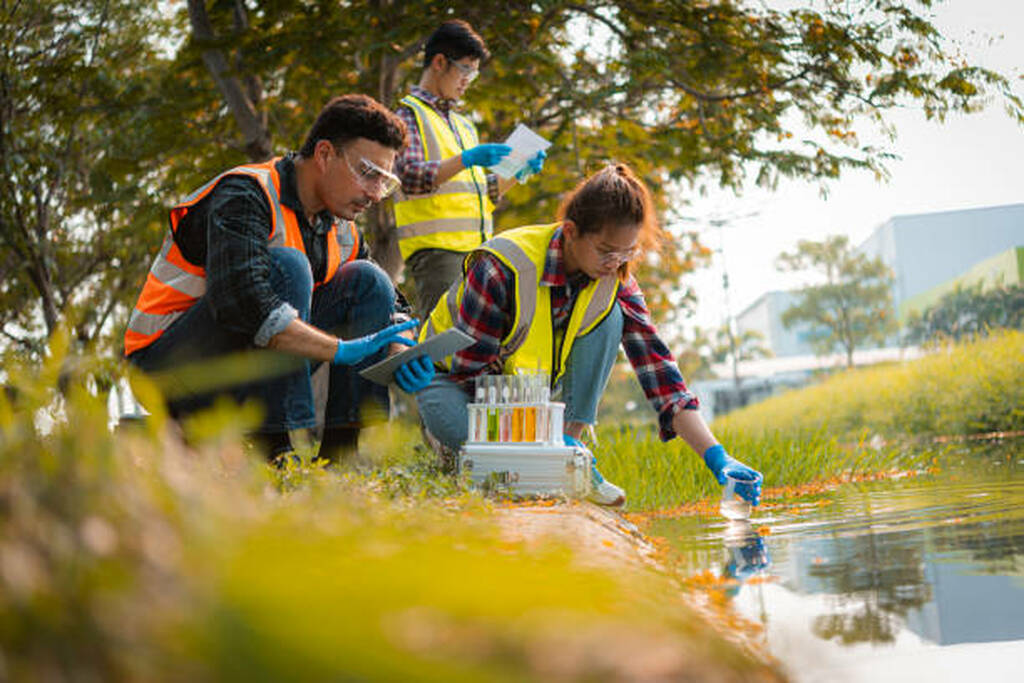
While the environmental benefits are crucial for the planet’s survival, the zero waste lifestyle also delivers immediate and tangible advantages to the individual and the community. This holistic approach proves that what is good for the Earth can also be profoundly good for us.
5. Saves Money: Financial Freedom Through Conscious Consumption
The most immediate and surprising benefit for many zero waste adopters is the positive impact on their finances. A zero waste life is, by definition, an anti-consumerist life.
- Reduced Consumption: The zero waste mantra begins with “Refuse, Reduce, Reuse.” By refusing unnecessary items (freebies, single-use containers, impulse buys) and reducing overall consumption, spending on non-essentials drastically drops. This conscious filtering of purchases—asking “Do I truly need this?”—is the ultimate budgeting tool.
- Investment in Quality and Durability: While an initial investment in high-quality, reusable items (e.g., a stainless steel water bottle, glass food containers, durable tote bags) may seem costly, these items last for years, eliminating the constant need to buy disposable replacements. Over time, the cost savings from no longer purchasing single-use coffee cups, plastic wrap, disposable batteries, or paper towels becomes substantial, leading to greater financial security.
- DIY and Repair: A zero waste ethic encourages do-it-yourself (DIY) solutions and repairing broken items rather than replacing them. Learning to mend clothes, make simple cleaning products (using baking soda and vinegar), or repair a small appliance extends the life of belongings and dramatically reduces the cost of maintaining a household.
6. Promotes Healthier Living: Wellness Through Mindful Choices
The choices made to achieve zero waste naturally lead to a healthier lifestyle, both physically and mentally.
- Reduced Exposure to Toxins: Many conventional cleaning, personal care, and packaging materials contain questionable or known toxic chemicals (like phthalates in plastics or certain harsh compounds in cleaners). By opting for reusable glass or stainless steel and making simple, natural cleaning products, zero-waste adherents significantly reduce their daily exposure to these potential endocrine disruptors and carcinogens.
- Better Diet and Less Food Waste: A key element of zero waste involves buying food in bulk, utilizing local farmers’ markets, and meticulous meal planning to prevent food waste.This process often means cooking more meals from scratch, consuming more whole, unprocessed foods, and reducing reliance on heavily packaged, often less nutritious, convenience items. The result is a more nutrient-dense diet and a lower environmental footprint.
- Mental Clarity and Less Clutter: The emphasis on reducing consumption translates directly into less physical clutter and a more minimalist home environment. Research consistently links physical clutter to psychological stress. By only bringing items into the home that have value and purpose, zero waste fosters a sense of order, mental calm, and gratitude for what one already possesses.
7. Encourages Community Engagement: Building Local Resilience
Zero waste is not a solitary effort; it thrives in a strong, interconnected community. The shared goal of sustainability brings people together in tangible, action-oriented ways.
- Repair Cafés and Swapping: Communities often organize Repair Cafés, where volunteers with various skills help neighbors fix broken items for free, preventing waste and transferring valuable knowledge. Similarly, clothing and book swapping events are popular ways to acquire “new” items without purchasing new resources.
- Supporting Local Economies: Buying in bulk at local zero waste stores, bringing containers to farmers’ markets, and patronizing local artisans who use sustainable materials all support a localized circular economy. This strengthens local businesses, reduces the need for long-distance transport, and fosters a sense of place.
- Collective Advocacy: When individuals adopt this lifestyle, they are more likely to collectively advocate for systemic change, such as city-wide composting programs, plastic bag bans, and better recycling infrastructure. This collective action is the engine that drives policy change and builds a more resilient community.
8. Drives Innovation: Designing a Better Future
The limitations inherent in a zero-waste philosophy—specifically the rule against creating trash—force a high degree of creativity and invention.
- Material Science Breakthroughs: The demand for high-performance, truly compostable packaging and materials that can be infinitely recycled without degradation has spurred significant investment and research in green material science. This includes developing biodegradable polymers, effective non-toxic alternatives to single-use plastic, and sophisticated composting technologies.
- Business Model Transformation: Traditional retail models are being challenged by innovative refill and return systems. Companies are developing services, not just products, such as equipment leasing, maintenance, and take-back programs, ensuring they retain ownership of the materials for reuse. The zero-waste imperative is driving the development of these profitable and fundamentally sustainable business models.
Conclusion: The Transformative Power of Zero Waste
The journey to zero waste is more than just about a smaller garbage bin; it is a holistic, transformative movement that redefines our relationship with consumption, resources, and the planet. By implementing the key steps of Refuse, Reduce, Reuse, Repurpose, Recycle, and Rot (compost), individuals take powerful, quantifiable action against global crises.
The convergence of environmental imperative—saving our oceans, cutting climate-changing methane, and conserving finite resources—with the personal gains of financial savings, better health, and a less cluttered life makes the zero waste lifestyle not just important, but an essential component of a truly sustainable future. It is a philosophy that offers not only hope, but a practical, actionable blueprint for building resilient communities and a healthier planet for generations to come.