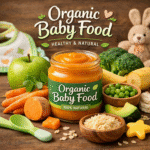

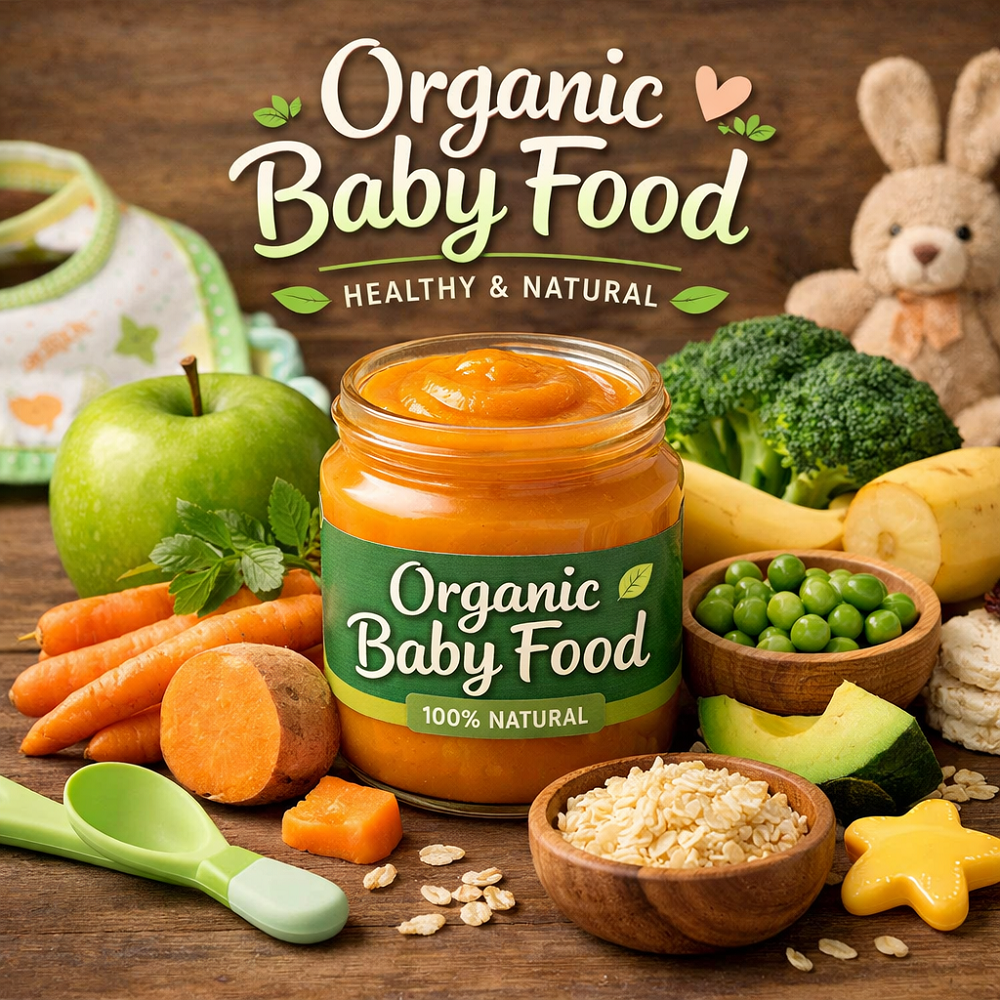
Parents today are increasingly conscious about what they feed their children, especially during the early stages of development. As awareness about health and environmental sustainability grows, more families are turning to organic baby food as a safer and more responsible choice. Organic foods are grown without synthetic pesticides, artificial fertilizers, or genetically modified organisms, making them a cleaner option for infants.
Choosing eco-friendly organic baby food does more than support your baby’s health—it also contributes to protecting the environment. Organic farming practices promote healthier soil, conserve water, and reduce pollution, all of which play an important role in building a sustainable lifestyle for future generations.
This article explores why organic baby food is becoming a preferred choice among modern parents and how it benefits both babies and the planet.
Why More Parents Are Choosing Organic Baby Food
Over the past decade, demand for organic baby food has increased significantly. Many parents are paying closer attention to food labels and ingredient quality when purchasing baby products.
Babies have developing immune systems and are more sensitive to chemicals and additives found in some conventional foods. Organic baby food offers a safer alternative because it focuses on natural ingredients and minimal processing.
Some of the key reasons parents are choosing organic baby food include:
- Reduced exposure to pesticides and chemicals
- Higher quality ingredients
- Fewer artificial additives and preservatives
- Support for environmentally responsible farming
Additionally, many parents want to raise their children with environmentally conscious habits from an early age. Choosing eco-friendly organic baby food allows families to support agriculture that protects ecosystems while providing nutritious meals.
Protecting Babies from Harmful Chemicals in Food
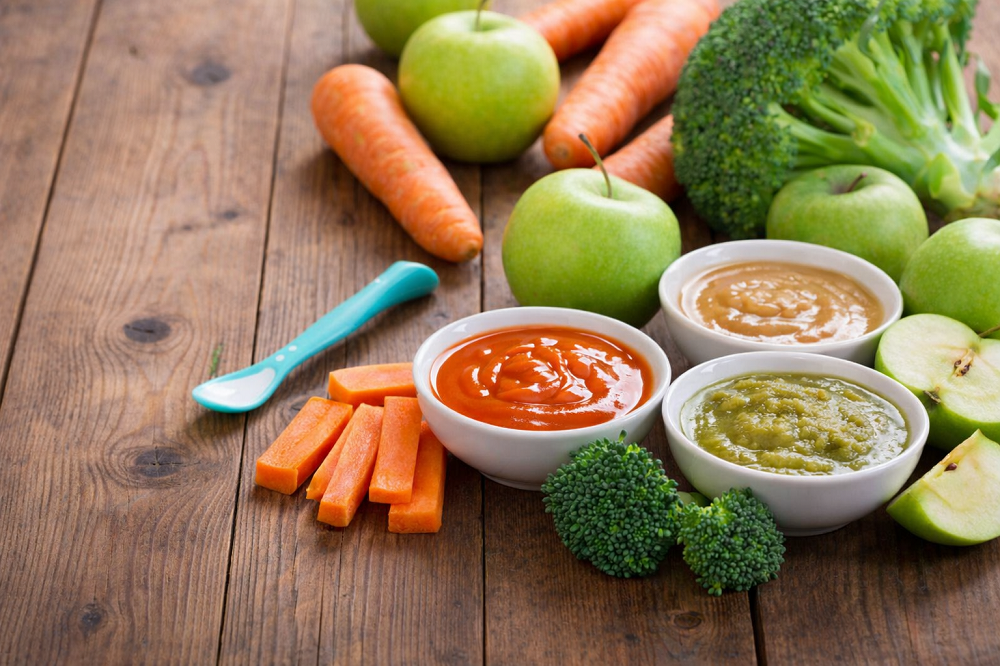
One of the biggest concerns for parents is the presence of pesticides and synthetic chemicals in conventional foods. Many crops are treated with chemical pesticides to protect them from pests and diseases, but residues can remain on the food even after washing.
Babies are particularly vulnerable to these substances because:
- Their bodies are still developing
- Their immune systems are not fully mature
- They consume more food relative to their body weight
Organic farming eliminates the use of most synthetic pesticides and fertilizers. Instead, farmers use natural methods such as crop rotation, beneficial insects, and organic compost to maintain crop health.
By choosing organic baby food, parents can significantly reduce their baby’s exposure to potentially harmful substances. This provides peace of mind that the food they are feeding their baby is as clean and natural as possible.
Nutritional Advantages of Organic Baby Food
Nutrition plays a critical role in a baby’s early growth and development. Many parents choose organic baby food because it often contains high-quality ingredients grown in healthier soil.
Organic farming practices focus on soil fertility and natural nutrient cycles. Healthy soil produces crops that are rich in vitamins, minerals, and antioxidants.
Some possible nutritional benefits of organic foods include:
- Higher antioxidant levels
- Better mineral absorption
- Lower nitrate levels in vegetables
- Absence of artificial preservatives
Although both organic and conventional foods can provide essential nutrients, organic foods often contain fewer additives and chemicals. This makes them a great option for babies who are just starting to explore solid foods.
Nutrient-rich organic foods can support healthy brain development, strengthen the immune system, and provide the energy babies need for growth.
How Organic Foods Help Reduce Allergy and Health Risks
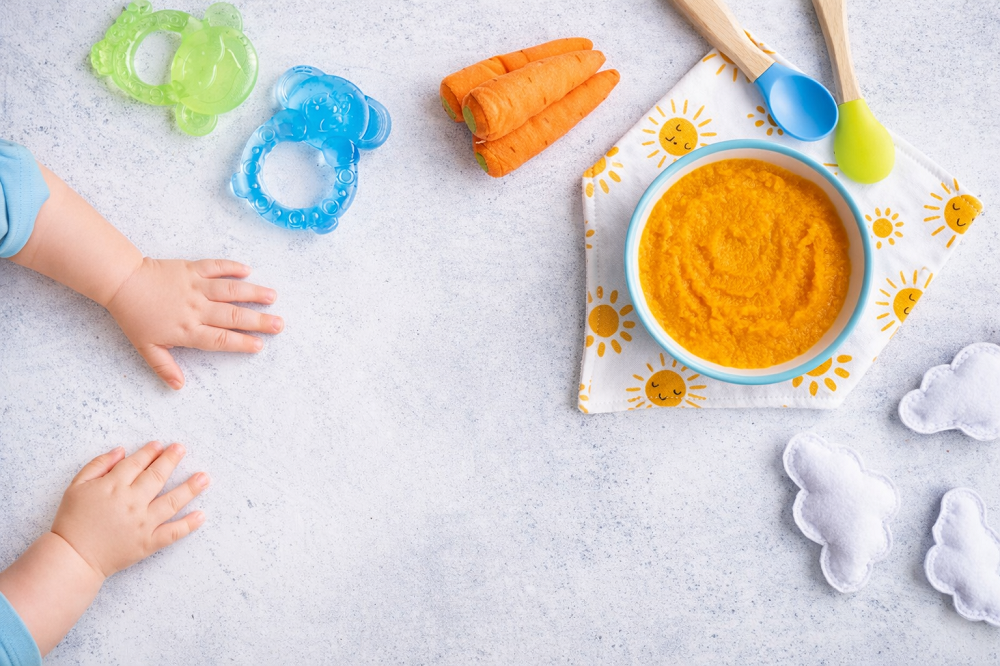
Food sensitivities and allergies are becoming increasingly common among children. While genetics and environmental factors play a role, diet also influences a child’s health.
Organic baby food typically avoids artificial flavors, colors, and preservatives that may trigger sensitivities in some children. Additionally, organic dairy and meat products come from animals raised without routine antibiotics or growth hormones.
Reducing exposure to these substances can help lower the risk of certain health concerns.
Organic foods also tend to be less processed, meaning they retain more natural nutrients. This helps support a baby’s developing digestive system and overall health.
Choosing organic baby food is a proactive step parents can take to provide their children with a cleaner and more natural diet.
Environmental Impact of Organic Farming for Baby Food
One of the most compelling reasons to choose eco-friendly organic baby food is its positive environmental impact. Organic farming focuses on sustainability and ecological balance.
Unlike conventional farming, which often relies on synthetic fertilizers and pesticides, organic farming uses natural methods that protect ecosystems and preserve natural resources.
Some environmental benefits of organic farming include:
Healthier Soil
Organic farms improve soil health by using compost, natural fertilizers, and crop rotation. Healthy soil retains nutrients and supports long-term agricultural productivity.
Reduced Water Pollution
Chemical fertilizers and pesticides used in conventional agriculture can contaminate rivers, lakes, and groundwater. Organic farming reduces these risks by avoiding synthetic chemicals.
Protection of Biodiversity
Organic farms encourage a balanced ecosystem by supporting beneficial insects, birds, and wildlife. This biodiversity helps maintain natural pest control and environmental stability.
Lower Carbon Footprint
Many organic farms focus on sustainable practices such as reduced chemical use and environmentally responsible farming techniques. These efforts help lower greenhouse gas emissions.
Choosing organic baby food allows families to support farming systems that protect the planet and contribute to a sustainable lifestyle.
Organic vs Conventional Baby Food: What Parents Should Know
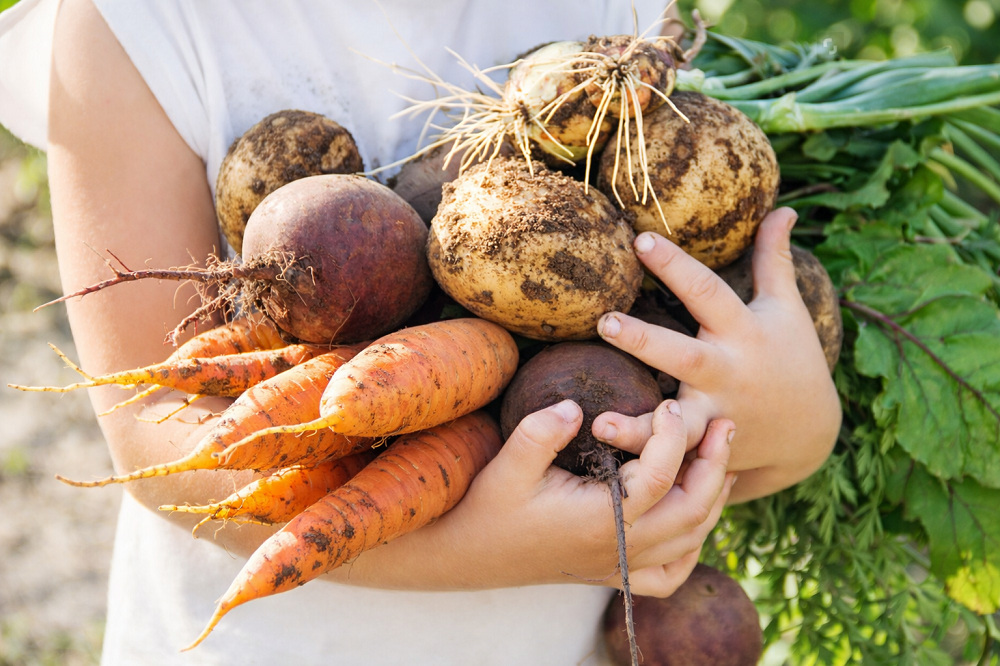
Understanding the difference between organic and conventional baby food can help parents make better choices for their children.
Organic Baby Food
- Produced without synthetic pesticides or fertilizers
- Free from genetically modified organisms (GMOs)
- Contains limited additives and preservatives
- Supports environmentally sustainable farming
Conventional Baby Food
- Often produced using chemical pesticides and fertilizers
- May contain GMOs depending on regulations
- Can include artificial additives or preservatives
- Typically focuses on maximizing crop yield rather than environmental sustainability
While conventional baby food must still meet safety standards, many parents prefer organic options for their cleaner ingredients and environmentally friendly production methods.
How to Choose Certified Organic Baby Food Products
With the growing popularity of organic foods, many products claim to be natural or organic. However, not all products meet strict organic standards.
To ensure you are buying genuine organic baby food, it’s important to check for recognized certification labels.
Here are a few tips for identifying authentic organic baby products:
- Look for official organic certification labels on packaging.
- Read ingredient lists carefully.
- Avoid products with misleading marketing terms such as “natural.”
- Choose trusted brands with transparent sourcing practices.
- Opt for products with simple, recognizable ingredients.
Certified organic products follow strict regulations that ensure ingredients are produced using approved organic farming practices.
Healthy Organic Food Options for Babies
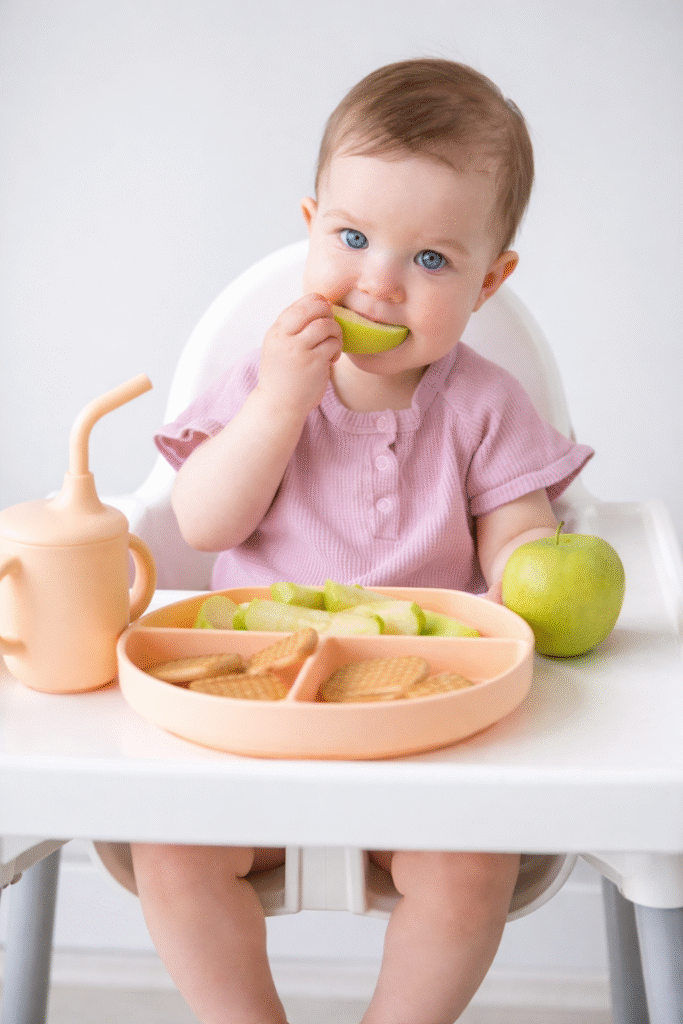
Introducing solid foods is an exciting milestone for both babies and parents. Choosing organic options can provide nutritious and safe meals during this important stage.
Some of the best organic baby food choices include:
Organic Fruits
- Apples
- Bananas
- Pears
- Avocados
- Blueberries
Organic Vegetables
- Sweet potatoes
- Carrots
- Peas
- Pumpkin
- Spinach
Organic Grains
- Oats
- Brown rice
- Quinoa
- Barley
Organic Protein Sources
- Lentils
- Beans
- Organic yogurt
- Organic eggs
Parents can either purchase prepared organic baby food or make homemade purees using fresh organic ingredients.
Myths and Facts About Organic Baby Food
Despite its growing popularity, there are still many misconceptions about organic baby food.
Myth: Organic baby food is always too expensive
While some products may cost more, making homemade organic baby food using seasonal produce can be affordable.
Myth: Organic food has no pesticides
Organic farming can use natural pesticides, but they are strictly regulated and generally safer than synthetic chemicals.
Myth: Organic food tastes the same as conventional food
Many people believe organic foods taste fresher due to the healthier soil and natural growing conditions.
Myth: Organic food is just a marketing trend
Organic farming follows strict certification standards and environmental guidelines, making it a legitimate and regulated food system.
Understanding these facts helps parents make informed decisions about feeding their babies.
Frequently Asked Questions About Organic Baby Food
Is organic baby food safer for babies?
Organic baby food avoids synthetic pesticides, GMOs, and artificial additives, which may reduce exposure to potentially harmful substances.
When should babies start eating organic baby food?
Most babies can begin eating solid foods around six months of age, depending on recommendations from pediatricians.
Can I prepare organic baby food at home?
Yes. Many parents choose to make homemade baby food using fresh organic fruits, vegetables, and grains.
Does organic baby food help the environment?
Yes. Organic farming practices promote soil health, reduce pollution, and support biodiversity, making them environmentally friendly.
Is organic baby food more nutritious?
Some studies suggest organic foods may contain higher antioxidant levels and fewer harmful residues.
Final Thoughts: Choosing Organic Baby Food for a Sustainable Lifestyle
Choosing organic baby food is a thoughtful decision that supports both your baby’s health and the environment. Organic foods provide cleaner ingredients, fewer chemicals, and nutrient-rich options that support healthy development.
At the same time, eco-friendly organic baby food encourages sustainable farming practices that protect soil, water, and biodiversity. These practices help create a healthier planet for future generations.
By incorporating organic foods into your baby’s diet, you are not only nourishing your child but also contributing to a sustainable lifestyle that values environmental responsibility and long-term wellbeing.