





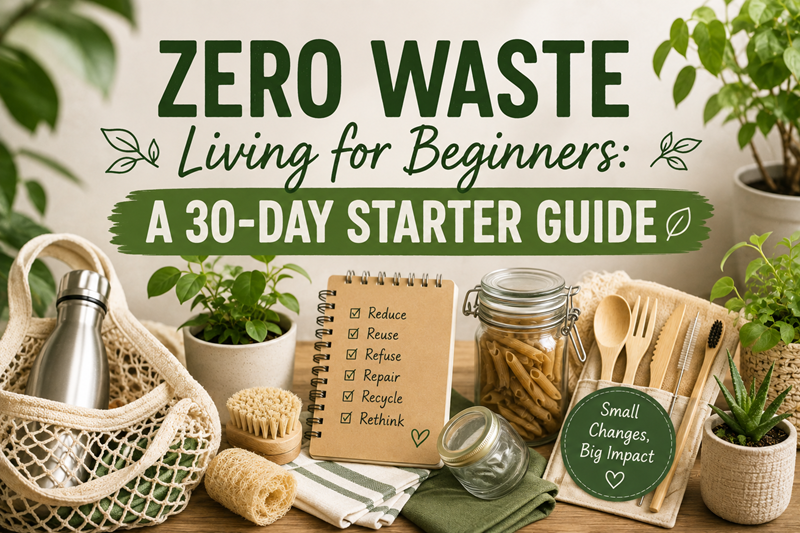
If the idea of zero waste living for beginners feels overwhelming, you’re not alone. Between viral mason-jar-of-trash photos and Pinterest-perfect pantries, it’s easy to think zero waste living means perfection. It doesn’t. It means making small, consistent choices that add up — and this 30-day guide breaks it down into one manageable step per day.
Whether you live in a Brooklyn apartment, a Denver townhouse, or a house in suburban Austin, this guide is built for real American life: real grocery stores, real budgets, and real schedules. By the end of the month, you’ll have built habits around sustainable living and eco-friendly choices that last well beyond day 30.
Before you start, check out our related guide on beginner composting at home and our plastic-free kitchen essentials for extra support along the way.
What Is Zero Waste Living, Really?
Zero waste living is a lifestyle focused on sending as little as possible to landfills by refusing, reducing, reusing, recycling, and rotting (composting) — in that order of priority. It’s not about achieving zero trash overnight. It’s about shifting from a disposable mindset to an intentional one.
The Environmental Protection Agency (EPA) tracks how much waste the average American generates each year, and small household changes — done consistently — genuinely move that number. This guide focuses on progress, not perfection.
Why Start a 30-Day Zero Waste Challenge?
- It builds habits gradually. One swap a day is far more sustainable (pun intended) than overhauling your entire home in a weekend.
- It saves money. Reusables, bulk buying, and DIY alternatives cut recurring costs.
- It reduces overwhelm. You’re not trying to fix everything at once — just today’s task.
- It’s local-friendly. Wherever you live in the US, most of these swaps are available at national retailers or local farmers markets.
Week 1: Awareness and Kitchen Basics (Days 1–7)
Day 1 – Do a Trash Audit Spend 10 minutes sorting through your household trash and recycling. Note the top 3 most common items (coffee cups, plastic wrap, produce bags). This becomes your personal roadmap.
Day 2 – Swap Paper Towels for Cloth Replace paper towels with reusable cotton or bamboo cloths. Brands like Marley’s Monsters and Skoy Cloths are popular US options sold on Amazon and in stores like Target.
Day 3 – Bring Your Own Bags Keep reusable bags — like Baggu or ChicoBag — in your car or by the front door. Many grocery chains, including Whole Foods and Trader Joe’s, now charge for plastic bags in cities like Chicago, San Francisco, and Portland, so this swap pays for itself fast.
Day 4 – Start a Simple Compost Bin You don’t need a backyard. Countertop compost bins from brands like Bamboozle or municipal programs (New York City, San Francisco, and Seattle all offer curbside composting) make this easy.
Day 5 – Switch to Reusable Produce Bags Mesh produce bags eliminate the need for thin plastic ones at the grocery store. Try Eco Roots or Simple Ecology.
Day 6 – Ditch Single-Use Water Bottles Invest in one durable bottle — Hydro Flask, Klean Kanteen, or Stanley are widely available across the US and refillable at most coffee shops and gyms.
Day 7 – Replace Plastic Wrap Swap cling film for Bee’s Wrap or Stasher reusable silicone bags. Both are stocked at Whole Foods and Target nationwide.
Week 2: Bathroom and Personal Care (Days 8–14)
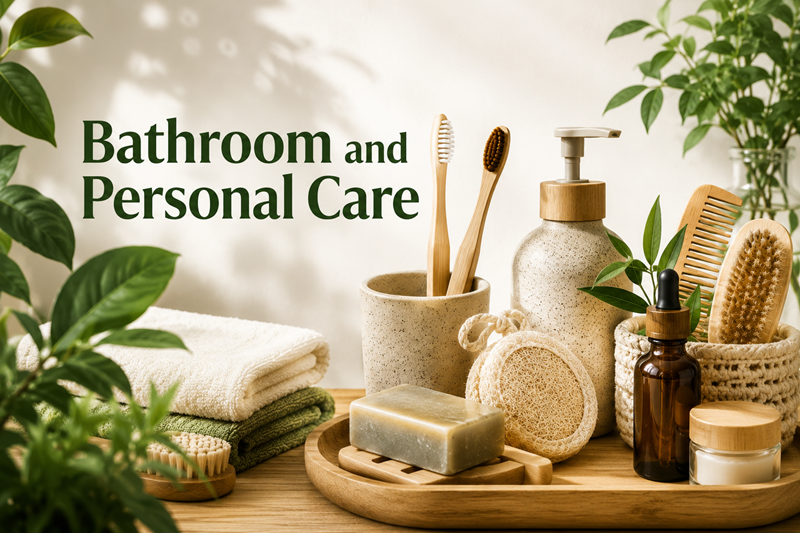
Day 8 – Try a Bar Shampoo or Soap Brands like Ethique and Lush sell package-free bar shampoo and conditioner, cutting plastic bottle waste significantly.
Day 9 – Switch to a Bamboo Toothbrush Compostable bamboo toothbrushes from Brush with Bamboo are an easy, low-cost swap.
Day 10 – Reusable Cotton Rounds Swap disposable cotton balls/pads for washable rounds — great for skincare routines in humid cities like Miami or Houston where you may use more product.
Day 11 – Safety Razor Swap A stainless steel safety razor replaces years of disposable plastic razors. Brands like Leaf Shave are US-based and popular.
Day 12 – Zero Waste Deodorant Try package-free or refillable deodorant from Meow Meow Tweet or Native’s refillable line.
Day 13 – Menstrual Cup or Reusable Pads Options like DivaCup or Saalt significantly cut monthly waste for menstruating individuals.
Day 14 – DIY Toothpaste Tabs or Refillable Toothpaste Try Bite Toothpaste Bits, sold in glass jars, or explore refill stations available in eco stores in cities like Los Angeles and Boulder.
Week 3: Shopping and Food Habits (Days 15–21)
Day 15 – Visit a Bulk Store Cities like Minneapolis, Portland, and Asheville have dedicated bulk/refill stores. National chains like Sprouts Farmers Market also offer bulk bins — bring your own jars.
Day 16 – Shop Your Local Farmers Market Buying local, unpackaged produce reduces plastic and supports your regional economy. Nearly every US city — from Nashville to Sacramento — has a weekly farmers market.
Day 17 – Meal Plan to Reduce Food Waste Food waste is one of the biggest contributors to landfill methane emissions. Apps like Too Good To Go help rescue surplus food from local restaurants and bakeries.
Day 18 – Try Secondhand Shopping Thrift instead of buying new. ThredUp, Goodwill, and Buy Nothing Facebook groups (active in nearly every US city) make this simple.
Day 19 – Say No to Junk Mail Sign up for DMAchoice or PaperKarma to cut unwanted catalogs and mailers — a small step with a big cumulative impact.
Day 20 – Package-Free Cleaning Products Brands like Blueland and Grove Collaborative offer refillable, concentrated cleaning tablets that ship with minimal packaging.
Day 21 – Batch Cook and Store in Reusables Swap single-use containers for Pyrex or Stasher storage to reduce reliance on plastic takeout containers.
Week 4: Lifestyle, Community, and Long-Term Habits (Days 22–30)
Day 22 – Learn Your City’s Recycling Rules Recycling guidelines vary widely — what’s accepted in Denver may not be accepted in Atlanta. Check your city’s municipal waste website to avoid “wishcycling.”
Day 23 – Repair Instead of Replace Look up a local repair café or cobbler. Cities like Philadelphia and San Diego have active repair café communities.
Day 24 – Digitize Your Documents Reduce paper waste by switching bills and receipts to digital, and using apps instead of printed boarding passes or tickets.
Day 25 – Host a Clothing Swap Invite friends for a swap instead of shopping for new clothes — a fun, social, zero-cost way to refresh your wardrobe.
Day 26 – Try a Zero Waste Grocery Delivery Services like Imperfect Foods and Misfits Market reduce food waste by delivering “ugly” produce that would otherwise be discarded.
Day 27 – Green Your Coffee Routine Switch to a reusable coffee filter, French press, or bring your own cup to local coffee shops — many, including regional chains in Seattle and Austin, offer small discounts for BYO cups.
Day 28 – Reduce Junk Drawer Clutter Donate or recycle old electronics through take-back programs at Best Buy or Staples, both with nationwide US locations.
Day 29 – Get Involved Locally Join a local environmental group or beach/park cleanup. Organizations like the Surfrider Foundation host cleanups in coastal cities from San Diego to Charleston.
Day 30 – Reflect and Set Ongoing Goals Revisit your Day 1 trash audit. Compare it to today. Celebrate progress, and pick 2–3 habits to focus on next month.
Simple Zero Waste Swaps Cheat Sheet
| Category | Disposable Item | Zero Waste Swap |
| Kitchen | Plastic wrap | Bee’s Wrap / Stasher bags |
| Bathroom | Plastic razor | Safety razor (Leaf Shave) |
| Shopping | Plastic bags | Baggu / ChicoBag |
| Cleaning | Spray bottles | Blueland refill tablets |
| Beverages | Disposable cups | Klean Kanteen / Hydro Flask |
For more product comparisons, see our best reusable products for sustainable living roundup.
Tips for Staying Consistent After Day 30
- Track progress monthly, not daily — sustainability is a long game.
- Focus on your top 3 trash sources identified in your Day 1 audit.
- Involve your household or roommates so habits stick.
- Join local sustainability groups in your city for accountability and support.
- Don’t aim for perfection — aim for consistent, better choices.
Explore more in our guide to building a sustainable home on a budget.
FAQ: Zero Waste Living for Beginners
What is the easiest first step for zero waste living for beginners?
Start with a trash audit (Day 1). Knowing what you throw away most tells you exactly where to focus first.
Is zero waste living expensive?
Not necessarily. While some reusable products have an upfront cost, they pay for themselves over time, and many zero waste habits — like buying secondhand or meal planning — actually save money.
Can I do zero waste living in an apartment?
Yes. Composting, bulk shopping, and reusable swaps all work well in apartments. Many US cities, including New York, San Francisco, and Seattle, offer curbside or drop-off composting for apartment residents.
What’s the difference between zero waste and sustainable living?
Popular, widely available options include Bee’s Wrap, Stasher, Blueland, Grove Collaborative, Klean Kanteen, and Package Free Shop.
What are the best zero waste brands for beginners in the US?
Far far away, behind the word mountains, far from the countries Vokalia and Consonantia, there live the blind texts. Separated they live in Bookmarksgrove right at the coast of the Semantics, a large language ocean.
How much waste can a household actually reduce in 30 days?
Results vary, but many beginners cut single-use plastic waste by 30–50% within the first month simply by adopting a handful of consistent swaps.
Do I need a compost bin to live zero waste?
No — while composting helps, you can still make significant progress through reusables, mindful shopping, and reducing single-use plastics alone.
Looking for more? Check out our full library of guides on sustainable living tips and eco-friendly product reviews here on Sustainable Stalks.

Author: Sustainable Talks
Talk Green. Think Change. Act Sustainably. 🌍 Ideas, stories & actions for a greener future.