



Introduction
Energy prices in the United Kingdom have increased significantly over the past few years, making energy efficiency a top priority for many households. At the same time, reducing energy consumption is one of the most effective ways individuals can help tackle climate change and adopt a more sustainable living lifestyle.
Homes across the UK consume energy for heating, lighting, cooking, and powering appliances. Unfortunately, many houses waste a considerable amount of energy due to inefficient systems, poor insulation, or everyday habits that increase electricity use.
The good news is that simple adjustments can dramatically reduce both energy bills and carbon emissions. By adopting smarter energy practices, UK households can create a more sustainable living environment while saving money.
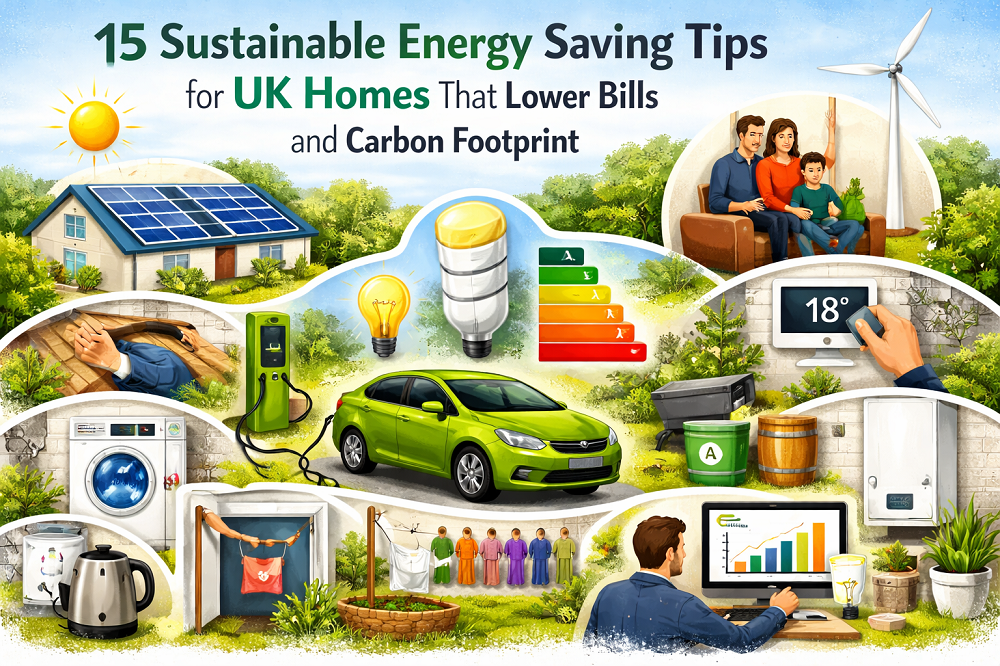
In this guide, we explore 15 practical and sustainable energy-saving tips for UK homes that help reduce electricity use, cut costs, and support a more environmentally friendly lifestyle.
This guide explains 15 sustainable energy saving tips for UK homes that help reduce electricity bills, improve energy efficiency, and support sustainable living. From switching to LED lighting and improving insulation to installing solar panels and using smart thermostats, these practical tips help households lower their carbon footprint and save money.
Why Energy Efficiency Matters in the UK
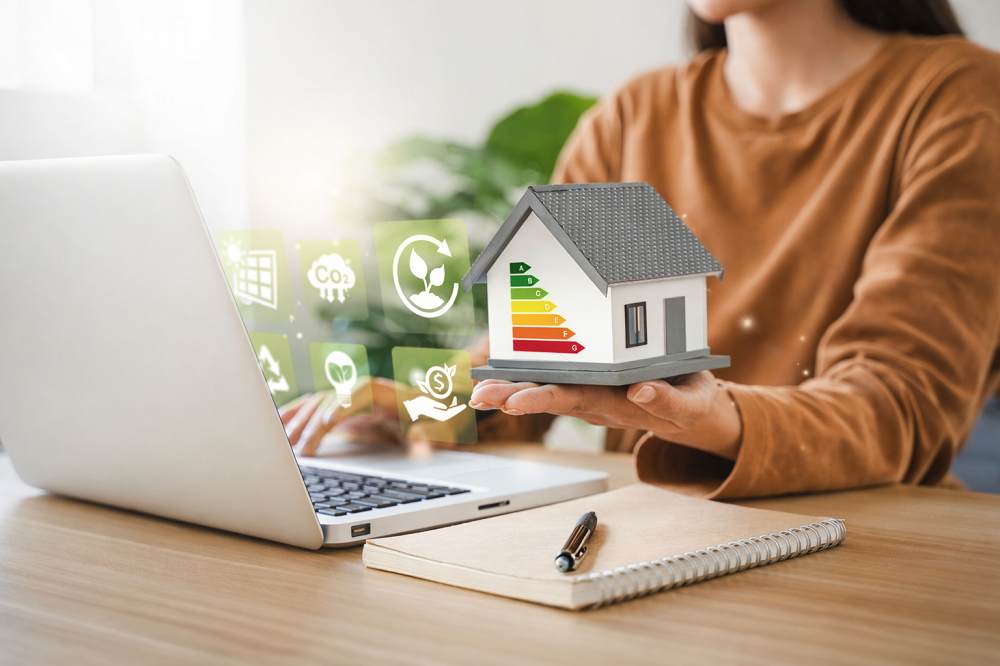
Energy efficiency has become increasingly important in the UK due to rising electricity prices and the government’s commitment to reaching net-zero carbon emissions by 2050.
Adopting energy-efficient practices is also an essential part of sustainable living, which focuses on reducing environmental impact while improving quality of life.
Households account for a large portion of the country’s energy use, particularly through heating systems. Improving energy efficiency benefits homeowners in several ways:
- Lower monthly energy bills
- Reduced carbon emissions
- Improved home comfort
- Increased property value
Even small improvements can make a noticeable difference over time and help create a more sustainable home.
15 Sustainable Energy Saving Tips for UK Homes
1. Switch to LED Lighting
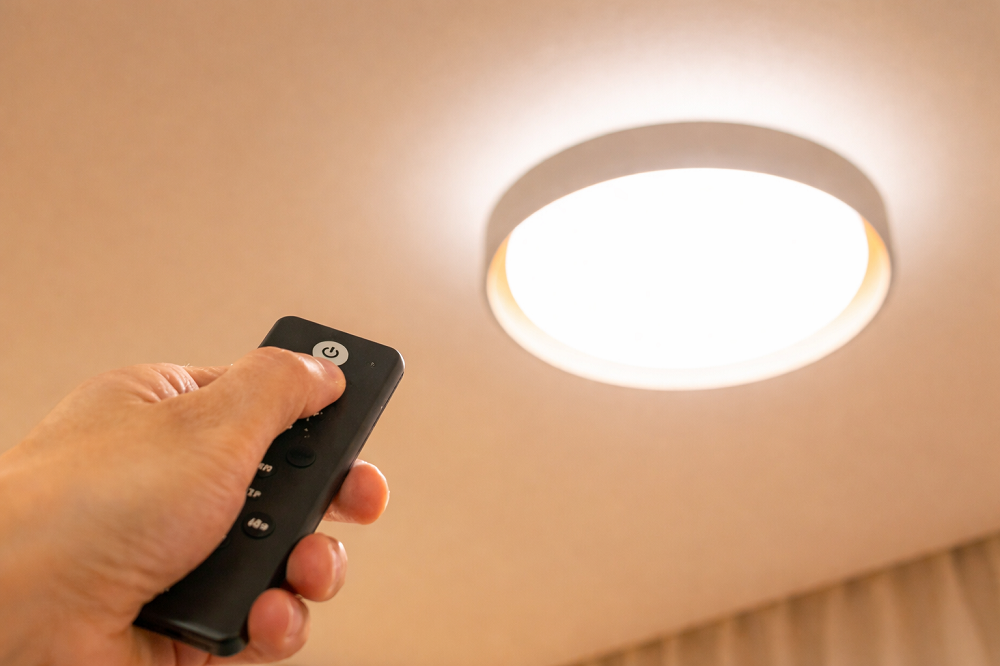
Traditional incandescent bulbs use far more electricity than modern LED lights.
LED bulbs:
- Use up to 75% less energy
- Last significantly longer
- Reduce electricity bills
Replacing all the bulbs in your home with LED alternatives is one of the quickest ways to improve energy efficiency and support sustainable living practices.
2. Improve Home Insulation
Many UK homes lose heat through poorly insulated roofs, walls, and floors. Improving insulation can significantly reduce heating costs.
Common insulation upgrades include:
- Loft insulation
- Cavity wall insulation
- Floor insulation
These improvements help keep homes warm in winter and cool in summer, making your home more energy efficient and sustainable.
3. Use a Smart Thermostat
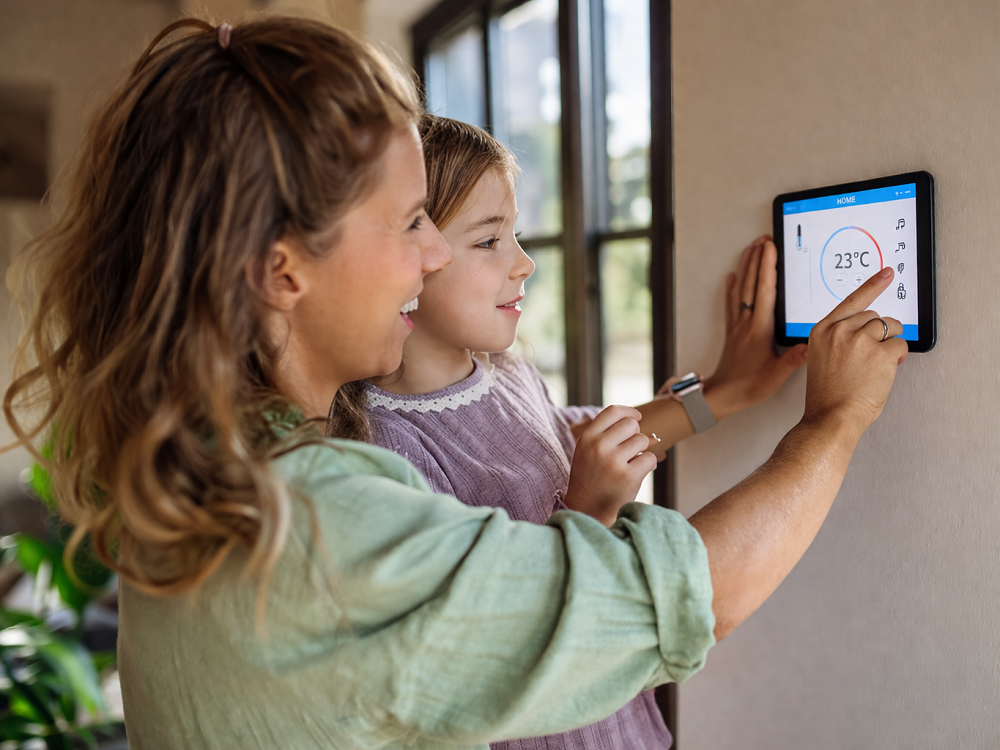
Smart thermostats allow homeowners to control heating systems more efficiently. These devices automatically adjust temperatures based on schedules or room occupancy.
Benefits include:
- Reduced heating waste
- Improved comfort
- Lower energy consumption
Smart thermostats are becoming increasingly popular in UK households that want to adopt sustainable living habits.
4. Turn Off Appliances on Standby
Many electronic devices continue using electricity even when they appear to be turned off.
This is known as standby power, and it can increase electricity bills unnecessarily.
Reduce standby energy by:
- Turning off devices at the wall
- Using smart power strips
- Unplugging unused electronics
These small actions contribute to a more sustainable home environment.
5. Upgrade to Energy-Efficient Appliances
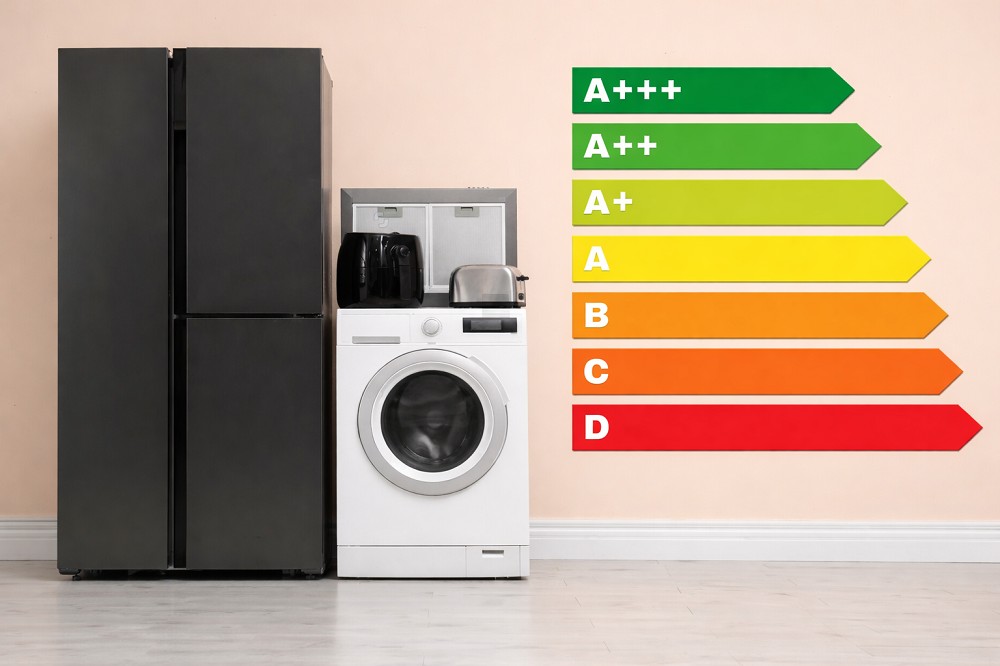
Old appliances consume significantly more electricity compared to modern energy-efficient models.
When replacing appliances, look for high energy ratings such as:
- A or B energy labels
- Energy-efficient washing machines
- Low-energy refrigerators
Energy-efficient appliances reduce long-term electricity consumption and support sustainable living.
6. Reduce Hot Water Usage
Heating water requires a significant amount of energy.
Simple ways to reduce hot water usage include:
- Taking shorter showers
- Installing water-saving showerheads
- Washing clothes with cold water
- Fixing leaking taps
These changes help lower both water and energy bills while promoting a more sustainable lifestyle.
7. Seal Windows and Doors
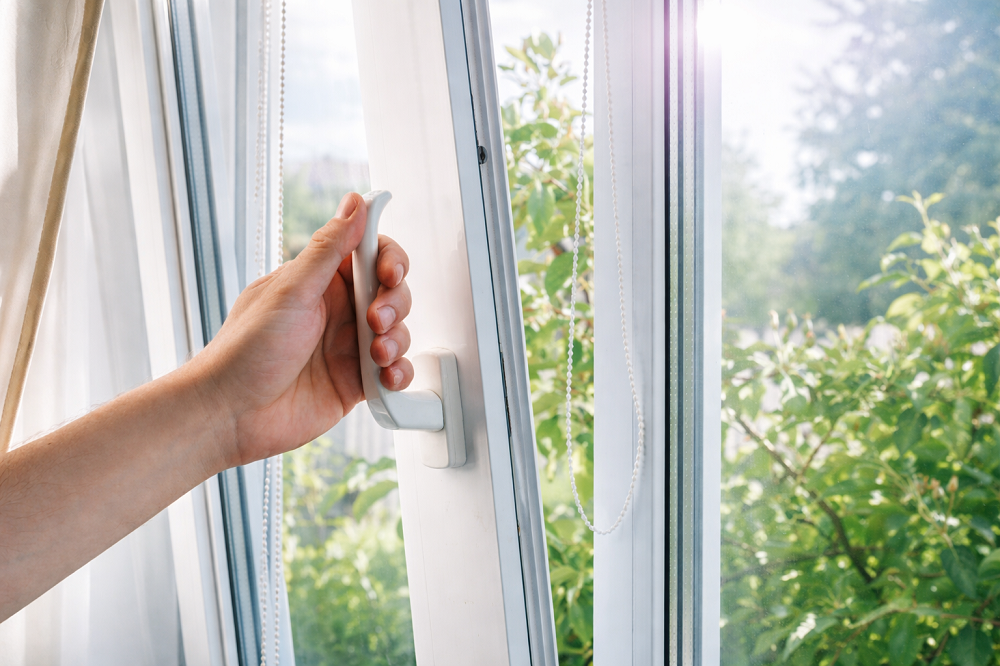
Drafts allow warm air to escape and cold air to enter your home, forcing heating systems to work harder.
To prevent heat loss:
- Install weather stripping
- Use draft excluders
- Seal window gaps
These small improvements can make a noticeable difference in heating efficiency.
8. Wash Clothes at Lower Temperatures
Most modern detergents clean effectively at lower temperatures.
Washing clothes at 30°C instead of 40°C can significantly reduce electricity consumption without compromising cleanliness.
Additionally, try to:
- Wash full loads
- Air dry clothes when possible
This reduces energy use and supports sustainable living habits.
9. Use Natural Light During the Day

Maximizing natural daylight reduces the need for artificial lighting.
Simple strategies include:
- Opening curtains during the day
- Using lighter interior colours
- Rearranging furniture to allow more sunlight
Natural light improves both energy efficiency and home comfort.
10. Install Solar Panels
Solar panels allow households to generate their own renewable electricity. Although installation requires an upfront investment, solar systems can provide long-term savings.
Benefits include:
- Lower electricity bills
- Reduced carbon footprint
- Increased property value
Solar energy adoption is growing rapidly across the UK and plays a key role in sustainable living.
11. Cook More Efficiently
Cooking appliances also consume energy, especially ovens and electric hobs.
To reduce cooking energy use:
- Use lids on pots
- Cook multiple dishes at once
- Use microwaves or air fryers when possible
Efficient cooking habits can lower electricity consumption over time.
12. Maintain Your Boiler
Heating systems are one of the largest energy users in UK homes.
Regular boiler maintenance helps ensure efficient performance. Annual servicing can:
- Improve heating efficiency
- Extend system lifespan
- Reduce energy waste
If your boiler is older than 10–15 years, upgrading to a modern efficient model may provide significant savings.
13. Use Energy-Efficient Windows
Older windows often allow heat to escape easily.
Upgrading to double or triple glazing helps retain heat inside the home and reduces heating costs.
Energy-efficient windows also improve comfort and reduce outside noise.
14. Grow Plants and Trees Around Your Home
Landscaping can also influence home energy efficiency. Trees and plants provide natural shade during summer and reduce heat loss in winter.
Strategic planting around your home can:
- Reduce cooling needs
- Improve air quality
- Support local biodiversity
This is another simple way to support sustainable living.
15. Monitor Your Energy Usage
Tracking energy consumption helps identify areas where electricity is being wasted.
Smart meters allow homeowners to:
- Monitor real-time energy usage
- Identify high-consumption appliances
- Adjust habits to save energy
Being aware of energy usage often leads to more efficient behaviour.
How Energy Saving Supports Sustainable Living
Reducing energy consumption has a direct impact on environmental sustainability. Most electricity generation still produces greenhouse gas emissions, particularly when fossil fuels are used.
By lowering energy demand, households help:
- Reduce carbon emissions
- Decrease air pollution
- Conserve natural resources
- Support the transition to renewable energy
When millions of households adopt energy-saving habits, the cumulative environmental benefits can be substantial.
Frequently Asked Questions (FAQ)
What is sustainable living?
Sustainable living means making lifestyle choices that reduce environmental impact and conserve natural resources. This includes saving energy, reducing waste, and using eco-friendly products.
How can UK households reduce energy bills?
UK households can reduce energy bills by improving insulation, using energy-efficient appliances, switching to LED lighting, and adopting smarter heating habits.
What is the easiest way to save energy at home?
The easiest way to save energy is by turning off unused appliances, switching to LED bulbs, and reducing hot water usage.
Do solar panels help reduce carbon footprint?
Yes. Solar panels generate renewable electricity, reducing reliance on fossil fuels and lowering household carbon emissions.
Why is energy efficiency important for sustainable living?
Energy efficiency reduces resource consumption and carbon emissions, making homes more environmentally friendly and supporting long-term sustainability.
Final Thoughts
Improving energy efficiency is one of the simplest and most effective ways UK households can reduce their environmental impact while saving money.
From switching to LED lighting and improving insulation to installing solar panels and monitoring energy use, small changes can lead to meaningful improvements in both sustainability and household finances.
By adopting smarter energy habits, homeowners can contribute to the UK’s net-zero goals while creating more comfortable and efficient living spaces.
Start implementing these sustainable energy-saving tips today and take a step toward a more sustainable and cost-effective home.

Author: Sustainable Talks
Talk Green. Think Change. Act Sustainably. 🌍 Ideas, stories & actions for a greener future.
One response to “15 Sustainable Energy Saving Tips for UK Homes That Lower Bills and Carbon Footprint”
[…] energy prices continue to rise across the UK, more homeowners are turning to renewable energy solutions. One of the most popular options is installing solar panels. In areas like Croydon, solar energy is […]