



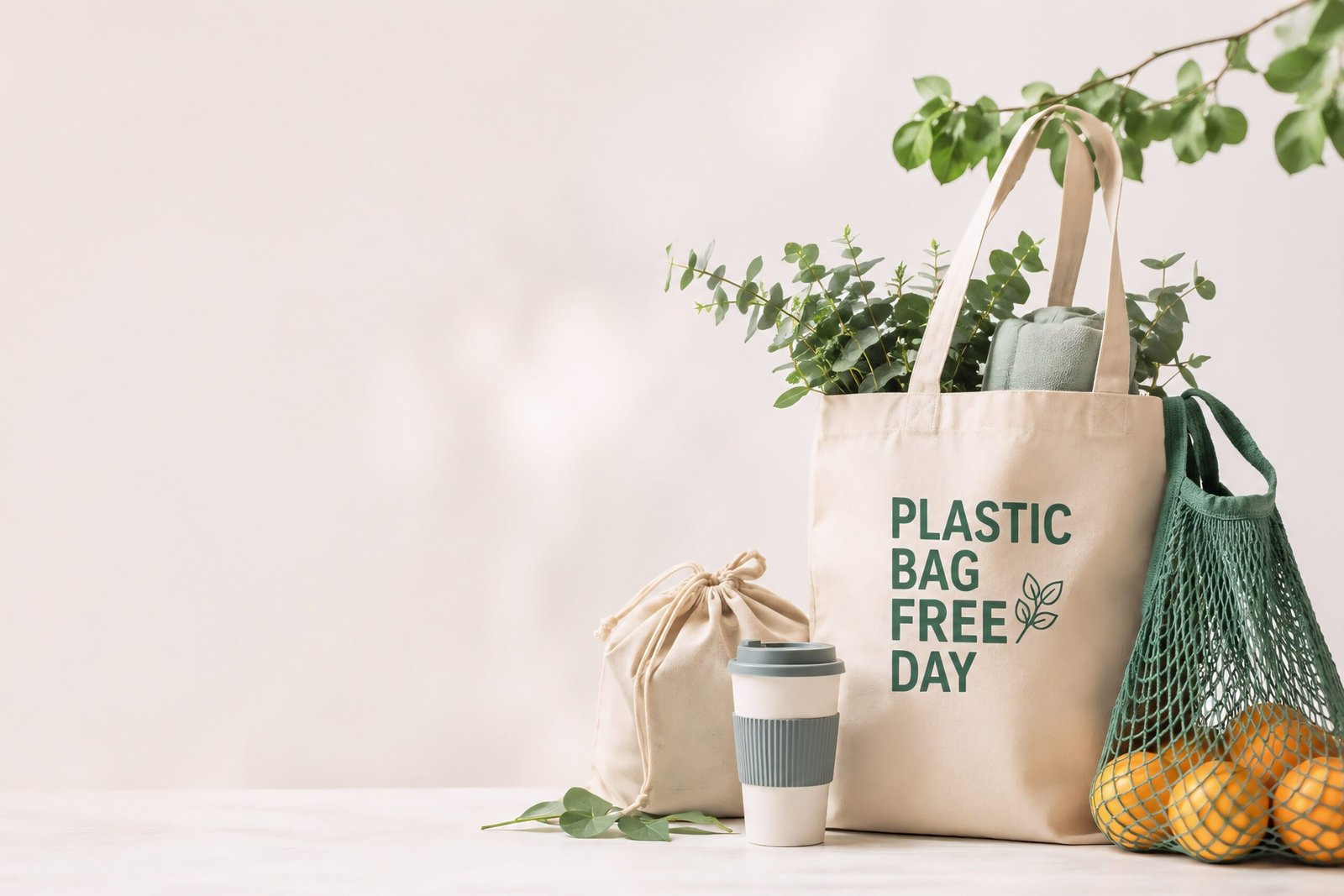
If you’ve ever bought a set of reusable produce bags, used them twice, and then found them shoved in a drawer behind the takeout menus — you’re not alone. Most of us don’t fail at zero-waste living because we don’t care. We fail because we start with the wrong swaps: expensive, trendy, or built for someone else’s kitchen instead of ours.
This guide is different. It’s built around zero waste kitchen swaps that survive real life — busy mornings, grocery runs at Trader Joe’s or Costco, family dinners, and the occasional forgotten leftovers container. Whether you’re in Toronto, Austin, or anywhere in between, these swaps are chosen for what’s actually available in North American stores, not aspirational Pinterest kitchens.
If you’re just getting started with sustainable habits beyond the kitchen, check out our guide to eco-friendly living in 2025: simple swaps that make a big impact for a broader look at where else small changes add up.

Why Most Zero-Waste Swaps Don’t Stick
Before we get to the list, it helps to know why so many well-intentioned swaps fail:
- They require a total habit overhaul overnight. Nobody sustains 10 new habits at once.
- They cost too much upfront, so the guilt of “wasting money” outweighs the motivation to use them.
- They’re less convenient than the disposable version, so old habits creep back in within a week.
- They don’t fit the household. A swap that works for a single person living alone rarely works the same way for a family of five.
The swaps below are grouped by how easy they are to adopt, so you can build momentum instead of burning out.
Start Here: The Easiest Swaps to Stick With
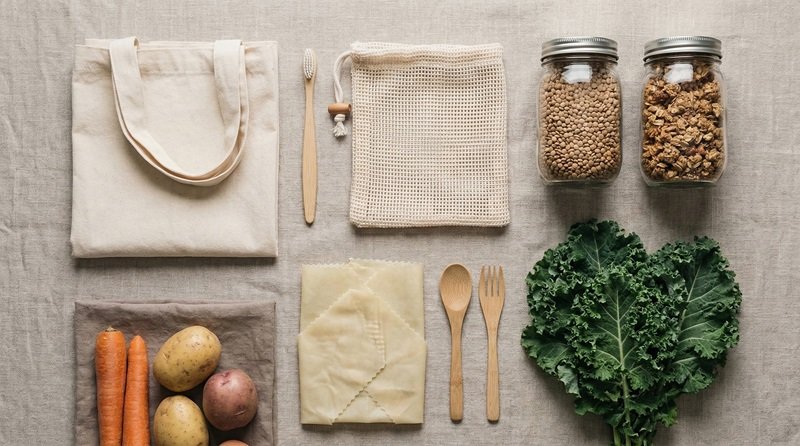
These require almost no behavior change — just a different product in the same spot you already reach for.
1. Reusable Beeswax Wraps or Silicone Lids Instead of Plastic Wrap
Plastic wrap is one of the biggest silent contributors to kitchen waste because it’s used once and tossed. Beeswax wraps (or vegan alternatives made from soy wax) mold to bowls and food with the warmth of your hands, and stretchy silicone lids snap over almost any container size.
Why it sticks: You store the wraps right next to where the plastic wrap used to live, so the habit loop stays identical — only the material changes.
2. Glass or Stainless Steel Food Storage Instead of Single-Use Containers
Ditch the pile of mismatched plastic containers with missing lids and takeout tubs reused “just this once.” Glass containers with snap-lids are microwave- and dishwasher-safe, and they don’t stain or absorb odors like plastic does.
Why it sticks: You’re not adding a step — you’re replacing a container you already reach for daily.
3. A Countertop Compost Bin
You don’t need a backyard compost pile to start. A small countertop bin with a charcoal filter (widely available at Target, Walmart, and Canadian Tire) keeps scraps contained and odor-free until you can transfer them to a municipal green bin, a community compost drop-off, or a backyard system.
Why it sticks: Many US and Canadian cities now offer curbside compost pickup, so this swap often requires zero extra effort beyond the bin itself.
Level Two: Swaps That Take a Little Adjustment
These save more waste over time but require a small shift in shopping or prep habits.
4. Bulk Bin Shopping with Reusable Bags
Grocery chains like Whole Foods, Sprouts, and many Canadian co-ops offer bulk bins for grains, pasta, nuts, and spices. Bring cloth or mesh bags (many stores let you weigh them empty — the “tare weight” — before filling).
Tip: Keep your bulk bags in your car or by the door, not in a kitchen drawer. Out of sight means they don’t come with you.
5. A Dish Brush Instead of Sponges
Sponges harbor bacteria and get replaced constantly, usually ending up in a landfill within weeks. A wooden dish brush with a replaceable head lasts far longer, and the handle itself can be composted or reused indefinitely.
6. Cloth Napkins and Unpaper Towels
Paper towels are a recurring, invisible expense — both financially and environmentally. Keeping a small stack of cloth napkins and reusable “unpaper towels” (cut-up old t-shirts work fine) near the sink means they’re just as fast to grab.
Why it sticks: Toss them in with your regular laundry load — no separate washing routine needed.
7. Reusable Produce Bags
Skip the thin plastic bags in the produce aisle. Mesh or cotton produce bags work for everything from apples to leafy greens, and most cashiers in the US and Canada are now used to seeing them.
Level Three: The Swaps That Take Real Commitment
These have the biggest long-term impact but require you to rethink a habit, not just a product.
8. Buying Less Pre-Packaged Food
This isn’t about giving up convenience entirely — it’s about noticing where packaging is genuinely unnecessary. Whole vegetables instead of pre-cut, block cheese instead of individually wrapped slices, and large-format items instead of single-serve snacks all cut down packaging significantly.
9. Making Simple Staples from Scratch
Items like salad dressing, granola, or bread come in recyclable or zero packaging when made at home, and often taste better. Start with just one item you already buy weekly.
10. A Reusable Coffee or Tea Filter
If you use a drip coffee maker, a reusable stainless steel or cloth filter eliminates hundreds of paper filters a year. For tea drinkers, loose-leaf tea with a metal infuser skips individually wrapped tea bags (many of which contain plastic sealant, even the “eco-friendly” looking ones).
How to Choose Your First Three Swaps
Trying to do everything at once is the fastest way to quit. Instead:
- Pick one swap from each level — one easy, one moderate, one advanced.
- Give each swap two weeks before adding another.
- Track what actually gets used, not what looked good in the store. If a swap isn’t sticking after a month, it’s okay to try a different version of it rather than abandoning the goal entirely.
A Realistic Zero-Waste Kitchen Isn’t a Perfect One
It’s worth saying plainly: no kitchen is 100% zero-waste, and that’s not really the goal. The goal is fewer single-use items in the trash each week, habits that don’t feel like a chore, and a kitchen that reflects how you actually live — not an aesthetic you saw online. Small, consistent swaps beat a total overhaul that fizzles out by February.
Want more guides like this? Head over to Sustainables talks for more practical, no-guilt tips on building an eco-friendlier home — one swap at a time.
FAQ: Zero-Waste Kitchen Swaps
What are the easiest zero-waste kitchen swaps to start with?
Reusable food storage containers, beeswax wraps, and a countertop compost bin are the easiest starting points because they replace something you already use daily without changing your routine.
Are zero-waste kitchen swaps more expensive than disposable products
Some have a higher upfront cost — like beeswax wraps or glass storage — but they pay for themselves within a few months since you stop repurchasing plastic wrap, sponges, or paper towels. Others, like bulk bin shopping, can actually save money over time.
Do I need a backyard to compost in a zero-waste kitchen?
No. Many cities across the US and Canada offer curbside green bin programs, and most urban areas have community drop-off compost sites. A countertop bin is all you need to get started, even in an apartment.
What’s the most impactful zero-waste swap for a busy household?
Reusable food storage and cloth napkins tend to have the biggest impact for busy families because they’re used multiple times a day and replace items that would otherwise be thrown out constantly.
Can I build a zero-waste kitchen on a tight budget?
Yes. Start with free or low-cost swaps like using jars you already own for storage, cutting up old t-shirts for reusable towels, and bringing your own bags to bulk bins. You don’t need to buy a full “zero-waste starter kit” to make progress.
Is it realistic to have a completely zero-waste kitchen?
Not entirely, and that’s okay. The goal is meaningful waste reduction through consistent habits, not perfection. Even switching three or four items can noticeably cut down what your household sends to landfill each week.

Author: Sustainable Talks
Talk Green. Think Change. Act Sustainably. 🌍 Ideas, stories & actions for a greener future.