

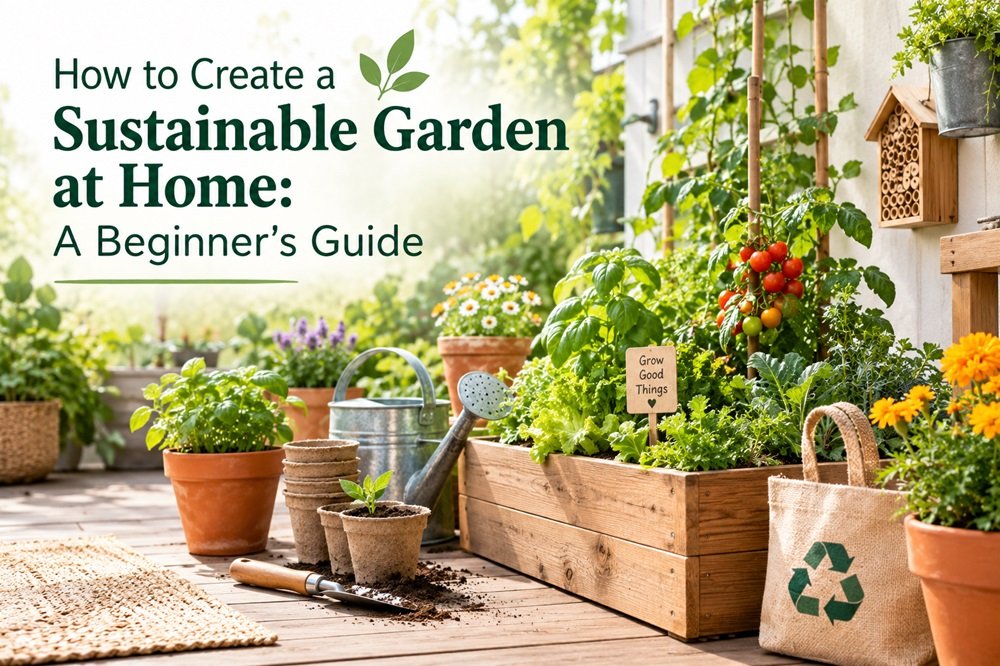
A beautiful garden doesn’t have to come at the expense of the environment. With a few thoughtful choices, you can create a sustainable garden at home that uses fewer resources, reduces waste, supports wildlife, and provides fresh flowers, herbs, fruits, or vegetables for your household.
Sustainable gardening focuses on working with nature rather than against it. From choosing native plants and improving soil naturally to collecting rainwater and avoiding unnecessary chemicals, even a small garden can make a meaningful environmental difference.
Whether you have a large backyard, a small balcony, or a few containers near a sunny window, this beginner-friendly guide will help you get started.
What Is Sustainable Gardening?
Sustainable gardening is a way of growing plants while minimizing environmental impact and conserving natural resources.
Instead of relying heavily on synthetic fertilizers, pesticides, excessive water, and disposable gardening products, sustainable gardening encourages practices such as:
- Composting organic waste
- Conserving water
- Choosing native and climate-appropriate plants
- Improving soil health naturally
- Avoiding unnecessary chemical pesticides
- Reusing materials
- Supporting bees, butterflies, birds, and other wildlife
- Growing food organically
- Reducing garden waste
The goal isn’t to create a perfectly sustainable garden overnight. Small, consistent changes can make your garden more environmentally friendly over time.
1. Start by Understanding Your Garden
Before buying plants, spend some time observing your garden.
Look at:
- How much sunlight different areas receive
- Which areas remain shaded
- Where rainwater naturally collects
- How quickly the soil dries
- Existing plants and trees
- Wind exposure
- Available space
- Access to a water source
Most vegetables and flowering plants need several hours of sunlight each day, while some herbs and shade-loving plants can thrive with less.
Understanding these conditions helps you choose plants that are naturally suited to your garden instead of constantly trying to maintain plants in unsuitable conditions.
2. Choose Native and Climate-Friendly Plants
One of the easiest ways to make a garden more sustainable is to choose plants that naturally grow well in your local climate.
Native plants are generally adapted to local weather and soil conditions. Once established, many require less additional water and maintenance than plants that struggle in the local environment.
When selecting plants, consider:
- Native species
- Drought-tolerant plants
- Plants suited to your soil type
- Seasonal flowering plants
- Perennials that return year after year
- Plants that provide food or shelter for wildlife
A garden filled with locally appropriate plants can also provide valuable habitat for native insects and birds.
3. Improve Your Soil Naturally
Healthy soil is the foundation of a sustainable garden.
Instead of depending heavily on synthetic fertilizers, focus on improving soil naturally. Add mature compost, well-rotted organic matter, or other suitable natural amendments to improve soil structure and nutrient availability.
Healthy soil can:
- Support stronger plant growth
- Improve water retention
- Encourage beneficial microorganisms
- Reduce the need for chemical fertilizers
- Help plants develop stronger root systems
Avoid disturbing the soil unnecessarily. Excessive digging can disrupt soil organisms and its natural structure.
4. Start Composting at Home
Composting is one of the simplest ways to reduce household waste while creating useful material for your garden.
You can compost many common organic materials, including:
- Fruit and vegetable scraps
- Coffee grounds
- Tea leaves
- Dry leaves
- Grass clippings
- Small amounts of untreated garden waste
- Shredded cardboard
Avoid adding meat, dairy products, pet waste, or diseased plants to a basic home compost pile unless you have a composting system specifically designed to handle them.
A good compost pile generally needs a balance of moisture, air, and different types of organic materials.
Over time, these materials break down into nutrient-rich compost that can be added to garden soil.
5. Save Water in Your Garden
Water conservation is an important part of sustainable gardening.
Instead of watering plants automatically every day, check whether the soil actually needs water.
Try these simple strategies:
Water deeply
When watering is necessary, water the root zone thoroughly rather than lightly sprinkling the surface.
Water in the morning
Morning watering can reduce unnecessary evaporation and gives plants time to absorb moisture.
Use mulch
A layer of organic mulch around plants can help reduce evaporation and keep the soil cooler.
Collect rainwater
If local regulations and conditions allow, collecting rainwater can provide an additional water source for appropriate garden uses.
Choose drought-tolerant plants
Plants adapted to dry conditions can significantly reduce irrigation requirements once established.
6. Use Organic Mulch
Mulching is a simple technique with several sustainability benefits.
Suitable organic mulch can include:
- Shredded leaves
- Grass clippings
- Straw
- Wood chips
- Compost
- Untreated bark
Mulch can help:
- Retain soil moisture
- Suppress weeds
- Moderate soil temperature
- Add organic matter as it breaks down
- Reduce soil erosion
Keep mulch slightly away from plant stems and tree trunks to reduce the risk of rot and other problems.
7. Avoid Unnecessary Chemical Pesticides
A sustainable garden doesn’t need to be completely pest-free.
Insects are a natural part of a healthy ecosystem, and many insects are beneficial. Ladybirds, lacewings, bees, butterflies, and other organisms can contribute to pollination or natural pest control.
Before using a pesticide, identify the pest and determine whether it is actually causing significant damage.
You can encourage natural pest control by:
- Growing a variety of plants
- Attracting beneficial insects
- Removing severely affected leaves
- Using physical barriers where appropriate
- Maintaining healthy soil
- Monitoring plants regularly
If a treatment is necessary, choose the least harmful appropriate option and follow its label directions carefully.
8. Create a Pollinator-Friendly Garden
Bees, butterflies, moths, and other pollinators play an important role in ecosystems and food production.
You can make your garden more welcoming by growing a variety of flowering plants that provide nectar and pollen across different seasons.
Consider including:
- Native flowering plants
- Herbs allowed to flower
- Plants with different flower shapes
- Flowers that bloom at different times of the year
Avoid using broad-spectrum pesticides unnecessarily, as they can harm beneficial insects as well as unwanted pests.
You can also provide shallow, clean water sources where appropriate, while ensuring they are maintained safely to avoid creating mosquito-breeding conditions.
9. Reuse Materials in the Garden
Sustainable gardening isn’t just about plants. It can also involve reducing the amount of new material you purchase.
Consider reusing suitable household items as:
- Plant containers
- Seed-starting trays
- Plant supports
- Garden edging
- Compost storage
- Rainwater collection containers
Old wooden boxes, containers, or other materials can sometimes be repurposed into planters, provided they are safe for gardening use and haven’t been treated with harmful chemicals.
Before buying something new, ask yourself:
Can I repair, reuse, repurpose, borrow, or buy second-hand instead?
10. Grow Your Own Food
Growing herbs and vegetables at home can make your garden more productive while giving you greater control over how your food is grown.
Beginners can start with relatively easy crops such as:
- Basil
- Mint
- Coriander
- Lettuce
- Radishes
- Green onions
- Tomatoes
- Chillies
- Beans
Choose plants suited to your climate and available growing space.
If you have limited space, use containers, vertical gardening systems, or raised beds where appropriate.
11. Make Your Garden Wildlife-Friendly
A sustainable garden can become a small habitat for local wildlife.
You can provide:
- Native plants
- Flowering plants
- Dense shrubs
- Seed-producing plants
- Safe water sources
- Natural shelter
- Leaf litter in suitable areas
Try to avoid making every part of your garden perfectly manicured. A small section with leaves, fallen branches, or natural vegetation can provide shelter for insects and other small creatures.
12. Reduce Garden Waste
Garden waste doesn’t always need to go into the bin.
You can often:
- Compost fallen leaves
- Use grass clippings as appropriate mulch
- Chop small prunings into compostable material
- Save healthy seeds
- Propagate plants from cuttings
- Share surplus plants with neighbors
- Reuse containers
Reducing waste keeps useful organic material within the garden ecosystem.
13. Choose Sustainable Gardening Tools
You don’t need a large collection of specialized equipment to start gardening.
For beginners, a few durable tools are usually enough:
- Hand trowel
- Garden gloves
- Pruning shears
- Watering can
- Hand cultivator
- Garden spade
- Compost bin or container
Choose durable products that can be repaired or maintained rather than inexpensive items that need frequent replacement.
14. Avoid Overwatering and Overfertilizing
More isn’t always better when it comes to gardening.
Overwatering can waste water and contribute to root problems, while excessive fertilizer can damage plants and contribute to nutrient pollution.
Before watering or fertilizing, check what your plants actually need.
A simple soil check can help you determine whether watering is necessary. For fertilizer, follow the product instructions and consider whether healthy soil and compost can provide sufficient nutrients.
15. Start Small and Improve Gradually
You don’t need to transform your entire garden in one weekend.
Start with a manageable area and gradually introduce sustainable practices.
For example:
Month 1: Choose suitable plants and start composting.
Month 2: Add mulch and improve your watering routine.
Month 3: Introduce pollinator-friendly plants.
Month 4: Start growing herbs or vegetables.
Month 5: Reuse containers and reduce garden waste.
Month 6: Add more native plants and create a small wildlife-friendly area.
Small improvements can eventually turn an ordinary garden into a thriving, resource-conscious outdoor space.
Beginner Sustainable Garden Checklist
Use this simple checklist when creating your garden:
| Sustainable Practice | Done? |
| Observe sunlight and soil conditions | ☐ |
| Choose climate-appropriate plants | ☐ |
| Include native plants where suitable | ☐ |
| Start a compost system | ☐ |
| Improve soil with organic matter | ☐ |
| Use mulch | ☐ |
| Reduce unnecessary watering | ☐ |
| Collect rainwater where appropriate | ☐ |
| Avoid unnecessary pesticides | ☐ |
| Plant flowers for pollinators | ☐ |
| Reuse suitable containers | ☐ |
| Grow herbs or vegetables | ☐ |
| Compost garden waste | ☐ |
| Choose durable gardening tools | ☐ |
| Create a small wildlife-friendly area | ☐ |
Sustainable Garden on a Budget
Creating an eco-friendly garden doesn’t have to be expensive.
Here are some budget-friendly ideas:
- Start plants from seeds rather than buying mature plants.
- Make compost from suitable kitchen and garden waste.
- Collect fallen leaves for mulch or compost.
- Propagate plants from cuttings where appropriate.
- Exchange seeds and plants with friends or neighbors.
- Reuse safe containers as planters.
- Choose perennial plants that return each year.
- Buy fewer, better-quality tools.
- Start with a small garden rather than purchasing everything at once.
The most sustainable garden is often the one that works with the resources you already have.
Common Sustainable Gardening Mistakes to Avoid
Even with the best intentions, beginners can make a few common mistakes.
Choosing plants that don’t suit your climate
A plant that requires constant watering or protection may not be the most sustainable choice for your location.
Watering too frequently
Check soil moisture before watering instead of following a rigid schedule.
Using too much fertilizer
Excess fertilizer doesn’t necessarily produce healthier plants and can harm soil and waterways.
Removing every insect
Not every insect is a pest. Many play important roles in pollination and natural pest control.
Buying too many gardening products
Start with basic tools and build your garden gradually.
Making the garden too tidy
A little natural mess can provide valuable habitat for insects and other wildlife.
Final Thoughts
Creating a sustainable garden at home is about making thoughtful choices rather than trying to achieve perfection. By choosing appropriate plants, improving soil naturally, conserving water, composting organic waste, supporting pollinators, and reducing unnecessary chemicals and waste, you can create a garden that benefits both your household and the environment.
Whether you have a backyard, balcony, terrace, or just a few containers, there are sustainable gardening practices you can start using today.
The best time to create a greener garden is when you start with one small change—and build from there.
Frequently Asked Questions About Sustainable Gardening
A sustainable garden is designed and maintained in a way that conserves resources, reduces waste, supports biodiversity, and minimizes environmental impact. It may use practices such as composting, water conservation, organic soil management, and planting locally suitable species.
Start by choosing plants suited to your local climate, improving soil with compost, using mulch, conserving water, reducing chemical pesticide use, composting garden waste, and supporting pollinators and other wildlife.
No. Sustainable gardening can actually reduce costs over time. Composting, saving seeds, propagating plants, reusing containers, collecting rainwater where appropriate, and exchanging plants with other gardeners can all help reduce expenses.
The best plants depend on your local climate and growing conditions. Native plants, drought-tolerant varieties, perennial plants, and species that provide food or habitat for local wildlife are often good choices.
Composting turns suitable organic waste into nutrient-rich material that can improve soil. It also reduces the amount of organic waste sent to landfills.
Water plants when they need it, water the root zone, use mulch to reduce evaporation, choose water-efficient plants, and consider rainwater collection where permitted and appropriate.
Yes. You can use containers, vertical gardening, balcony planters, window boxes, and compact vegetable varieties. Even a small garden can support pollinators and reduce household food miles.
Sustainable gardens generally aim to minimize unnecessary pesticide use. Gardeners can first use prevention, physical controls, plant diversity, and natural pest-management techniques before considering a treatment.
Grow a variety of suitable flowering plants, preferably locally appropriate species, and provide flowers across different seasons. Avoid unnecessary pesticide use and provide suitable shelter and water.
Starting a compost system, using mulch, choosing appropriate plants, and improving watering habits are all simple ways to begin. You don’t need to adopt every sustainable practice at once.
Yes. Grow vegetables and herbs that suit your climate and available space, improve the soil with compost, conserve water, use organic mulch, and avoid unnecessary chemical treatments.
You can begin immediately, but a sustainable garden develops over time. Soil health, perennial plants, compost systems, and wildlife habitats may take months or years to mature. The important thing is to make gradual improvements.

Author: Sustainable Talks
Talk Green. Think Change. Act Sustainably. 🌍 Ideas, stories & actions for a greener future.