




Introduction: Why Your Bathroom Matters in the Sustainability Journey
Your bathroom is one of the highest-waste areas in your home. The average person generates about 4.5 pounds of waste per year—and a significant portion comes from bathroom products and packaging. Between single-use razors, plastic toothbrushes, cotton swabs, and cosmetic packaging, your daily hygiene routine likely creates more waste than you realize.
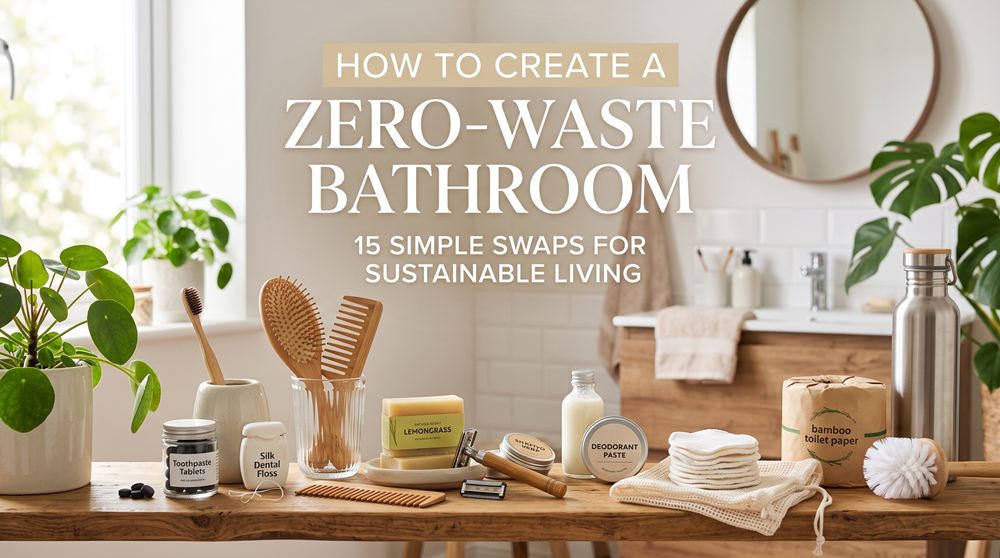
The good news? Creating a zero-waste bathroom is entirely achievable with intentional, simple swaps. You don’t need to overhaul everything at once. By making 15 strategic changes, you can eliminate hundreds of plastic items from your annual waste stream while saving money and improving your health.
This comprehensive guide walks you through every swap you need to transform your bathroom into an eco-friendly sanctuary—backed by practical tips, honest assessments, and answers to your most pressing sustainability questions.
Why These Swaps Matter: The Environmental and Personal Impact
The Hidden Cost of Your Current Bathroom Routine
Before diving into solutions, let’s understand the problem:
- 3 billion toothbrushes end up in landfills annually, with plastic variants taking 400+ years to decompose
- Plastic packaging accounts for 47% of bathroom waste by volume
- Microplastics from exfoliants and cosmetics contaminate water systems and harm aquatic life
- Single-use razors contribute to the 2 billion razors discarded yearly in the US alone
The average person buys 141 new cosmetic products per year. Most arrive in non-recyclable packaging that ends up in landfills within weeks of use.
Three Reasons Your Zero-Waste Bathroom Swap Matters
1. Environmental Impact Reducing bathroom waste directly decreases plastic pollution, ocean contamination, and landfill overflow. One person switching to a zero-waste bathroom routine can prevent 250+ plastic items from entering waste streams annually.
2. Financial Savings Sustainable bathroom products often have higher upfront costs but last significantly longer. A safety razor costs $20-40 but provides years of use compared to disposable razors at $0.50-1 per unit. Most people save $200-400 yearly with zero-waste swaps.
3. Personal Health Benefits Natural, plastic-free bathroom products typically contain fewer synthetic chemicals and microbeads. By eliminating microplastics and reducing chemical exposure, you’re investing in your long-term health.
The 15 Essential Zero-Waste Bathroom Swaps
1. Replace Plastic Toothbrushes with Bamboo Toothbrushes
The Swap: Traditional plastic toothbrushes → Biodegradable bamboo toothbrushes
Why It Works:
- Bamboo is a rapidly renewable resource that grows without pesticides
- Handles are 100% compostable; only dispose of nylon bristles properly
- Cost: $3-6 per brush vs. $1-2 for plastic (but lasts same duration)
- Bacteria-resistant and durable
Top Recommendation: Look for brands using nylon bristles (biodegradable alternatives are still developing) and sustainable bamboo sourcing. Plan to replace every 3-4 months as with traditional brushes.
Pro Tip: Many zero-waste shops offer bulk bristle replacements for bamboo handles, extending product life and reducing packaging waste.

2. Switch from Plastic Razors to Safety Razors
The Swap: Disposable plastic razors → Stainless steel safety razors
Why It Works:
- A single safety razor lasts 10+ years; blades last 5-10 shaves
- Replaceable blades are recyclable metal, not plastic
- Initial investment: $20-60; ongoing cost: $0.20 per blade
- Significantly reduces shaving irritation for many users
- No plastic waste for years of use
Learning Curve: Safety razors require technique adjustment (typically 3-5 shaves to master). YouTube tutorials and practice make the transition smooth.
Cost Breakdown:
- Disposable razors: ~$200 over 10 years
- Safety razor + blades: ~$80 over 10 years
- Savings: $120 per decade
3. Replace Plastic Toothpaste Tubes with Toothpaste Tablets
The Swap: Plastic toothpaste tubes → Solid toothpaste tablets or paste tablets
Why It Works:
- Tablets are concentrated; you only need one per brushing
- Packaging: compostable cardboard or glass containers
- Cost-effective: 60-100 tablets (~$8-12) last 2-3 months
- No water weight = lower shipping carbon footprint
- Works identically to traditional toothpaste
How to Use: Chew one tablet for 5-10 seconds to soften, then brush as normal. Add water as needed. The slight gritty texture helps cleaning action.
Flavor Options: Brands now offer peppermint, spearmint, charcoal, and whitening variants.
4. Ditch Plastic Deodorant for Solid Deodorant Bars
The Swap: Plastic deodorant containers → Solid deodorant bars or aluminum-free options
Why It Works:
- One bar lasts 4-6 months (equivalent to 4-6 plastic bottles)
- Refillable metal containers ($12-25) reduce packaging
- Aluminum-free formulas eliminate health concerns
- Minimal to zero plastic packaging
- Natural ingredients reduce skin irritation
Cost Analysis:
- Traditional plastic deodorant: $3-5 monthly
- Solid bars: $6-10 bimonthly = $30-60 annually
- Difference: $0-20/year with likely better results
5. Replace Cotton Swabs with Bamboo or Reusable Alternatives
The Swap: Plastic-stick cotton swabs → Bamboo swabs or reusable silicone swabs
Why It Works:
- Bamboo swabs: fully compostable (handle + cotton)
- Reusable silicone swabs: wash and reuse indefinitely
- Zero ongoing purchases after initial investment
- 500 bamboo swabs cost $5-8; reusable sets cost $8-15
Important Note: Avoid cotton swabs in drains; they’re a major water pollution culprit.
6. Switch from Plastic Makeup Remover Bottles to Reusable Makeup Remover Pads
The Swap: Disposable makeup remover wipes in plastic packaging → Reusable bamboo/cotton pads
Why It Works:
- Pads are washable and last 2+ years
- 10-pack costs $8-12 (vs. $15-20 monthly for disposable wipes)
- Works with any liquid makeup remover or coconut oil
- Hygienic and dermatologist-approved
Usage: Store clean pads in a small drawstring bag and wash weekly with laundry.

7. Replace Plastic Hairbrushes with Wooden Alternatives
The Swap: Plastic hairbrushes → Wooden or bamboo brushes with natural bristles
Why It Works:
- Wood is durable, naturally antimicrobial, and fully biodegradable
- Wooden brushes reduce static compared to plastic
- Last longer than plastic brushes
- Cost: $10-25 for quality wood brushes vs. $5-12 for plastic
- Biodegradable at end-of-life
Bonus: Wooden brushes distribute natural scalp oils better, improving hair health.
8. Switch Plastic Shower Curtains to Organic Cotton or Linen Alternatives
The Swap: PVC plastic shower curtains → Organic cotton/linen or hemp shower curtains
Why It Works:
- PVC off-gases harmful chemicals (volatile organic compounds)
- Natural fabric options are washable and long-lasting
- Compostable at end-of-life
- Often cheaper than quality plastic curtains
- Improve bathroom air quality
Maintenance Tip: Wash natural curtains every 1-2 months to prevent mold. Air-dry to preserve fabric integrity.
9. Replace Plastic Loofah Sponges with Natural Sea Sponges or Bamboo Loofahs
The Swap: Synthetic plastic loofahs → Natural sea sponges or plant-based alternatives
Why It Works:
- Sea sponges are harvested sustainably and are fully compostable
- Bamboo loofahs ($2-4) are biodegradable and effective
- Lasts 2-3 months with proper care
- No microplastics entering waterways
- Natural material is safer for sensitive skin
Care Instructions: Hang to dry after use. Replace every 8-12 weeks or when deteriorating.
10. Ditch Plastic Shampoo and Conditioner Bottles for Solid Bars
The Swap: Liquid shampoo in plastic bottles → Solid shampoo/conditioner bars
Why It Works:
- One bar equals 2-3 plastic bottles (concentrated formula)
- Minimal or plastic-free packaging (paper wrappers)
- Last 3-4 months of daily use
- Take up 75% less space in luggage
- No water weight = lower transportation emissions
Adjustment Period: Hair may feel different for 1-2 weeks as it adjusts to solid formulas. This is normal.
Cost Benefit:
- Liquid shampoo: $15-25 monthly
- Solid bars: $8-12 bimonthly
- Annual savings: $50-150
11. Replace Plastic Toothpicks with Bamboo or Reusable Versions
The Swap: Plastic toothpicks → Biodegradable bamboo picks or reusable metal picks
Why It Works:
- Bamboo toothpicks cost pennies and compost quickly
- Reusable stainless steel picks last indefinitely
- Eliminates plastic from your daily routine
- Simple but impactful swap
12. Switch Plastic Soap Bottles to Solid Soap Bars
The Swap: Liquid soap in plastic dispensers → Bar soap in minimal packaging
Why It Works:
- One bar lasts 2-4 weeks (same as liquid soap bottle)
- Zero plastic packaging (typically paper wrapper only)
- Cost-effective: $3-6 per bar vs. $4-8 per liquid bottle
- Takes minimal space; ideal for travel
- Natural soap is gentler on skin
Selection Tip: Choose certified natural or organic soaps to avoid hidden chemicals.
13. Replace Plastic Pumice Stones with Natural Alternatives
The Swap: Plastic pumice stones → Natural pumice or wooden foot scrapers
Why It Works:
- Natural pumice is sourced sustainably and fully biodegradable
- Better at removing calluses than synthetic versions
- Cost: $3-6 (similar to plastic)
- Long-lasting if properly dried after use
- Compostable when worn out
14. Ditch Plastic-Packaged Toilet Paper for Eco-Friendly Alternatives
The Swap: Plastic-wrapped toilet paper → Plastic-free toilet paper in cardboard
Why It Works:
- Many eco-brands package in 100% recycled cardboard
- Often made from 100% recycled fiber or bamboo
- Comparable cost to mainstream brands
- Support companies prioritizing sustainability
- Reduce plastic in your home by ~12 rolls per year
Tip: Brands like Who Gives A Crap, Seventh Generation, and Reel deliver directly, eliminating single-use plastic packaging.
15. Replace Plastic Feminine Care Products with Sustainable Alternatives
The Swap: Disposable pads/tampons in plastic → Reusable menstrual cups, cloth pads, or period underwear
Why It Works:
- Menstrual cups ($20-30) last 10+ years
- Reusable pads ($30-50 for set) eliminate monthly purchases
- Period underwear ($30-80) provides backup protection
- Reduce waste from ~140 disposable products annually to nearly zero
- Medical-grade silicone is safer than synthetic materials
Financial Impact:
- Disposable products: $100-150 annually
- Reusable options: $30-80 one-time investment
- Lifetime savings: $1,200+
The Zero-Waste Bathroom Checklist
Print this checklist and track your progress as you implement each swap:
Priority Swaps (Start Here)
- Replace plastic toothbrush with bamboo toothbrush
- Switch to safety razor with replaceable blades
- Replace toothpaste tube with toothpaste tablets
- Swap plastic deodorant for solid bar deodorant
- Replace plastic shower curtain with natural fabric
Secondary Swaps (Phase 2)
- Switch to solid shampoo and conditioner bars
- Replace cotton swabs with bamboo alternatives
- Adopt reusable makeup remover pads
- Replace hairbrush with wooden version
- Switch to natural sea sponges or bamboo loofahs
Additional Swaps (Phase 3)
- Replace bar soap bottles with solid soap bars
- Switch to eco-friendly toilet paper
- Replace pumice stones with natural alternatives
- Adopt plastic-free feminine care solutions
- Use bamboo or reusable toothpicks
Ongoing Maintenance
- Research packaging-free refill options in your area
- Join local zero-waste or sustainability groups
- Share your progress with friends and family
- Assess your progress every 3 months
Plastic-Free Bathroom Products: Complete Buyer’s Guide
Where to Shop for Zero-Waste Bathroom Products
1. Specialty Eco-Stores
- Local zero-waste shops (plastic-free bulk options)
- Sustainable lifestyle stores
- Natural health retailers
Cost: Premium pricing but quality guaranteed; supports local economy
2. Online Retailers
- EarthHero
- Package Free Shop
- The Good Fill
- Unwrapped Life
- Who Gives A Crap
Advantage: Curated selections; easy comparison; delivery to home
3. Mainstream Retailers
- Whole Foods
- Target (Good & Gather line)
- Amazon (search “plastic-free” or “zero-waste”)
- Local pharmacies
Benefit: Convenient; often competitively priced
4. Bulk/Refill Programs
- Local farmers markets
- Refill stations for shampoo, soap, deodorant
- Some health food stores offer bring-your-own-container options
Savings: Often 20-40% cheaper than retail; eliminates packaging
Budget-Friendly Shopping Strategy
Month 1: Replace high-waste items (toothbrush, deodorant, razors) Month 2: Upgrade hair and body products Month 3: Tackle feminine care and specialty items
This staggered approach prevents sticker shock and allows you to test products before committing to multiple purchases.
Frequently Asked Questions About Zero-Waste Bathrooms
Cost and Value Questions
Q: Aren’t zero-waste bathroom products more expensive?
Initial costs may be higher, but most products last longer and cost less annually. A $40 safety razor system costs less over five years than disposable razors. Solid shampoo bars save $50-150 yearly compared to liquid alternatives.
Q: Will I save money switching to a zero-waste bathroom?
Yes, typically $200-400 annually after an initial 2-3 month investment period. The longer you maintain these habits, the greater your savings.
Q: Where can I find affordable plastic-free products?
Start with Amazon, target mainstream eco-brands at regular retail stores, and explore local refill stations. Buy-in-bulk programs often provide 20-40% discounts.
Product Performance Questions
Q: Do bamboo toothbrushes work as well as plastic ones?
Yes, they perform identically. The only difference is the handle material. Modern bamboo brushes have nylon bristles identical to conventional brushes.
Q: How do I adjust to solid shampoo bars?
Most people adjust within 1-2 weeks. Wet hair, rub the bar directly on your scalp 2-3 times, and lather as normal. Your hair may feel different initially as it adjusts to natural ingredients.
Q: Are safety razors difficult to use?
There’s a small learning curve (3-5 shaves typically), but YouTube tutorials make it straightforward. Most people find the technique easier than traditional razors once they understand the angle.
Q: Do reusable makeup remover pads actually work?
Completely. Pair them with liquid makeup remover, coconut oil, or micellar water for excellent makeup removal. Many people find them gentler on sensitive skin than disposable wipes.
Q: Will a menstrual cup work for me?
Most people find cups comfortable and leak-proof after a 1-2 cycle learning period. Sizing is important; research your body’s anatomy or consult a fitting guide. Success rate is 85-90% among users.
Environmental Questions
Q: How much waste do I actually reduce?
One person can eliminate 250-400 plastic items annually by switching to these 15 products. Over a lifetime, that’s 20,000+ fewer plastic items in landfills.
Q: Are bamboo products actually sustainable?
Yes, bamboo is one of Earth’s most renewable resources, growing to maturity in 3-5 years without pesticides. However, check for certifications and ethical harvesting practices.
Q: What happens when zero-waste products wear out?
Most products mentioned here are compostable. Place them in your home compost bin or municipal composting program. Solid bars can typically be crumbled for quicker decomposition.
Q: Are natural deodorants as effective as aluminum-based ones?
Aluminum antiperspirants stop sweating; natural deodorants reduce odor. Many people switch successfully, though some prefer the antiperspirant effect. Test before committing.
Lifestyle Questions
Q: Do I need to change everything at once?
No—the suggested 3-phase approach prevents overwhelm and allows you to test products gradually.
Q: What if I can’t find plastic-free options locally?
Online retailers ship worldwide and offer most products mentioned. Refill programs are expanding; check local sustainability groups for new options.
Q: Can families with kids use these products?
Most products work for families. Children adapt quickly to solid shampoos and bamboo toothbrushes. Adjust for age appropriateness (example: children under 8 may need supervision with safety razors).
Q: How do I dispose of old plastic bathroom products responsibly?
Research plastic recycling codes; most bathroom products fall into recyclable categories. Check Earth911.com for local recycling programs. Some brands (like preservative-free products) may take back packaging.
Implementation Tips: Creating Your Zero-Waste Bathroom Transition
Start with Your Biggest Waste Generators
Track your bathroom waste for one week. You’ll likely notice that 3-4 items account for 70% of plastic waste. Start by replacing these.
The Replacement Rule
Only replace items as they run out. This reduces waste and prevents the “trash replacement” effect. You’re not discarding usable products—you’re making smarter choices for the future.
Join a Community
- Connect with local zero-waste groups
- Follow sustainability accounts on social media
- Share your journey (accountability + inspiration)
- Troubleshoot challenges with experienced practitioners
Track Your Progress
- Count items eliminated after 3 months
- Calculate money saved
- Note health or quality improvements
- Celebrate milestones
Embrace Imperfection
You don’t need 100% plastic-free to make an impact. Even 50% reduction prevents tons of waste annually. Progress over perfection is the sustainable approach to sustainability.
Final Thoughts: Your Bathroom as a Sustainability Hub
Your bathroom is more than a place of daily hygiene—it’s an opportunity to live your environmental values daily. Each swap is a small act that, multiplied by millions of people, creates significant planetary change.
The beauty of these 15 swaps is their simplicity and cumulative power. You’re not sacrificing quality, comfort, or convenience. You’re making intentional choices that benefit your health, your wallet, and the Earth.
Start today with one swap. By next month, you’ll have replaced five. Within a year, you’ll have transformed your bathroom into a zero-waste sanctuary—and inspired those around you to do the same.
Your future self—and our planet—will thank you.

Author: Sustainable Talks
Talk Green. Think Change. Act Sustainably. 🌍 Ideas, stories & actions for a greener future.