


Introduction
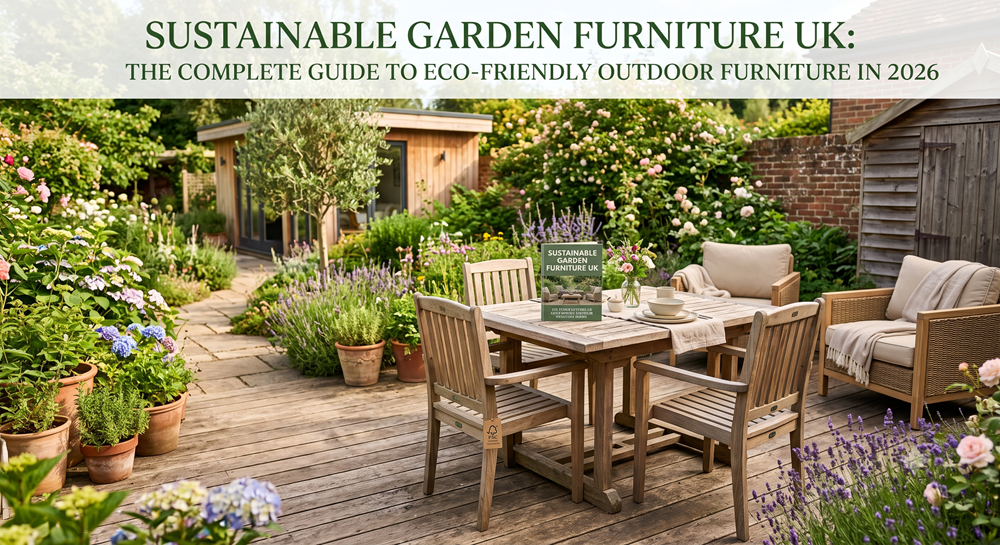
Creating an outdoor living space that’s both beautiful and environmentally responsible has never been more achievable. As UK homeowners become increasingly conscious of their ecological footprint, sustainable garden furniture UK has emerged as a thriving market offering stylish alternatives to conventional outdoor seating and tables.
Whether you’re renovating your garden in leafy suburbs like Cobham, Hampshire, or upgrading your outdoor space in Bristol’s trendy Clifton, understanding eco-friendly garden furniture UK options is essential for making informed decisions about your investment.
This complete guide explores everything you need to know about sustainable outdoor furniture and eco-friendly outdoor furniture choices available in 2026, including materials, manufacturers, and practical buying advice for UK homeowners.
Why Choose Sustainable Garden Furniture?
Environmental Impact
The garden furniture industry traditionally relies on resource-intensive manufacturing processes. Conventional wooden furniture often comes from unsustainably harvested forests, while plastic pieces contribute to landfill waste. By selecting eco-friendly garden furniture, you’re:
- Reducing carbon footprint: Sustainably sourced materials require fewer resources to produce
- Supporting responsible forestry: Protecting UK and global woodland ecosystems
- Avoiding microplastics: Preventing garden plastic degradation that contaminates soil
- Decreasing landfill waste: Choosing durable pieces built to last decades, not seasons
Long-Term Cost Savings
Premium sustainable garden furniture UK brands may cost more initially, but their durability makes them economical long-term. A quality piece lasting 15-20 years costs significantly less per year than replacing budget furniture every 3-4 years.
Health Benefits for Your Garden
Sustainable materials naturally resist pest infestations and disease, reducing the need for chemical treatments that harm beneficial insects and soil microorganisms essential to garden health.
Understanding Garden Furniture Materials: The Complete Breakdown
1. Sustainable Wood: The Gold Standard for Eco-Friendly Outdoor Furniture
FSC-Certified Hardwoods
Forest Stewardship Council (FSC) certification is your assurance that wood comes from responsibly managed forests. In 2026, FSC-certified options include:
- Teak: The premium choice for sustainable outdoor furniture. Teak is naturally durable, weathers beautifully to silver-grey, and requires minimal maintenance. While teak grows in tropical regions, FSC-certified sources ensure sustainable harvesting.
- Cumaru (Brazilian Teak): A harder alternative with similar properties, offering comparable durability with faster-growing tree species
- Iroko: African hardwood that rivals teak in durability while offering faster regeneration rates
- Oak and Ash: Locally-sourced UK hardwoods gaining popularity for stunning aesthetics and reduced transport emissions
Maintenance Reality
Hardwood furniture develops character over time. Many UK homeowners appreciate the natural patina, while others apply sustainable finishes (linseed oil, plant-based sealers) to maintain appearance.
Local Spotlight – Guildford, Surrey: Guildford’s thriving garden centre district stocks numerous eco-friendly garden furniture pieces from UK craftspeople specializing in locally-sourced hardwood.
2. Recycled and Reclaimed Materials
Recycled Plastic Composite
Modern recycled plastic furniture bears little resemblance to 1990s plastic garden seats. Today’s composites combine:
- Recycled plastic waste (often post-consumer materials)
- Wood fibres or bamboo
- Stabilizing compounds
Benefits:
- Zero tree harvesting required
- Splinter-free surfaces
- Superior weather resistance
- Virtually maintenance-free
- Equal lifespan to premium wood (15-20 years)
Local Spotlight – Brighton, East Sussex: Brighton’s eco-conscious community embraces recycled plastic furniture as the ideal choice for busy households and coastal environments where salt spray affects traditional wood.
Reclaimed Wood
Salvaged timber from barns, warehouses, and industrial buildings offers:
- Guaranteed history and character
- Already-weathered appearance requiring no aging process
- Zero additional tree loss
- Each piece unique
UK craftspeople in areas like Cotswolds and the Lake District specialize in converting reclaimed timber into bespoke garden furniture.
3. Bamboo: The Renewable Resource
Why Bamboo Represents True Sustainability
Bamboo regenerates after harvesting without replanting, reaching maturity in 3-5 years compared to hardwoods requiring 25-40 years. Sustainable garden furniture increasingly features bamboo for:
- Comparable strength to hardwood
- 100% renewable growth cycle
- Lower carbon footprint than tropical hardwoods
- Natural aesthetic appeal
UK Suppliers
Brands established across UK markets including London’s Bethnal Green and Manchester’s Northern Quarter stock certified sustainable bamboo furniture.
4. Metal Components: Responsible Sourcing
Sustainable Metal Options
- Recycled Aluminium: Requires only 5% energy to recycle versus primary production; increasingly used for lightweight garden furniture frames
- Responsibly-Sourced Steel: FSC-verified steel from ethical sources, often powder-coated with low-VOC finishes
- Stainless Steel: Durable, recyclable, and requires minimal maintenance—ideal for coastal UK gardens
Local Spotlight – Plymouth, Devon: Plymouth’s maritime heritage region favors stainless steel for eco-friendly outdoor furniture designed to withstand salt-laden air and harsh coastal conditions.
5. Natural Fibres: Rattan and Wicker
Rattan’s Sustainability Credentials
Rattan palms grow naturally throughout Southeast Asia without requiring plantation development. Sustainable garden furniture materials featuring rattan offer:
- Fast-growing renewable resource (7-year harvest cycle)
- Biodegradable at end-of-life
- Lightweight and portable
- Beautiful aged patina
Quality Considerations
Genuine water-hyacinth and rattan furniture outlasts synthetic alternatives. Higher initial cost reflects genuine durability and environmental benefit.
Premium Sustainable Garden Furniture Brands: 2026 Marketplace Guide
British Manufacturers Leading the Field
Garden Furniture Specialists
- Gloster: Teak and sustainable hardwood specialists based in Devon, producing premium outdoor furniture with 30+ year durability standards
- Barlow Tyrie: British luxury brand committed to FSC certification and innovative sustainable materials
- Cane-line: Danish-British collaboration creating modular eco-friendly garden furniture from FSC wood and recycled materials
- Solano: London-based designer crafting stunning pieces from reclaimed wood and recycled metals
Accessible Mid-Range Brands
- Cox & Cox: Curates sustainable pieces suitable for UK weather across multiple materials
- Swoon Editions: Delivers eco-conscious garden furniture to suburban areas nationwide
- Vifah: Specializes in eco-forestry certified hardwood at accessible price points
Local Spotlight – Edinburgh, Scotland: Edinburgh’s garden design community champions locally-manufactured sustainable furniture from regional producers, reducing transport emissions significantly.
Choosing the Right Sustainable Garden Furniture for Your Space
Climate Considerations: UK Garden Furniture Challenges
Rainfall and Humidity
UK’s damp climate demands furniture that resists moisture absorption. Best materials include:
- FSC-certified teak (naturally rot-resistant)
- Recycled plastic composite (zero water damage risk)
- Properly sealed hardwoods with plant-based finishes
- Stainless steel (for coastal regions)
Salt Spray Effects
Coastal areas from Cornwall to Northumberland require corrosion-resistant materials:
- Stainless steel preferred for metal
- Recycled plastic composite ideal for longevity
- Galvanized steel with protective coatings
Local Spotlight – Bournemouth, Dorset: Bournemouth’s coastal location makes recycled plastic composite sustainable outdoor furniture increasingly popular, eliminating salt corrosion concerns.
Garden Size and Layout Optimization
Small Urban Gardens (London boroughs, Manchester city gardens)
- Modular eco-friendly garden furniture systems
- Lightweight bamboo pieces enabling seasonal repositioning
- Vertical storage solutions from recycled materials
Medium Suburban Gardens (Wimbledon, Croydon, Solihull)
- Complete seating sets in durable hardwood
- Dining tables with benches from reclaimed wood
- Shade structures featuring sustainable materials
Large Country Gardens (Cotswolds, Peak District areas)
- Statement pieces in premium hardwood
- Multiple conversation zones
- Built-in features from sustainable materials
Weather Protection Systems
Sustainable Covers and Storage
Extend eco-friendly outdoor furniture lifespan through:
- Organic cotton covers (biodegradable, breathable)
- Wooden storage benches from recycled materials
- Pergolas crafted from FSC-certified wood
- Canopies featuring sustainable fabric
Local Spotlight – Oxford, Oxfordshire: Oxford’s academic community drives demand for research-backed sustainable furniture solutions, with specialist retailers offering detailed material longevity data.
Garden Furniture Materials: Comprehensive Comparison Chart
| Material | Durability | Maintenance | Sustainability | Best For |
| FSC Teak | 20+ years | Minimal | Excellent | Premium gardens, visible focal points |
| Recycled Plastic | 15-20 years | Very low | Excellent | Busy households, coastal areas |
| Reclaimed Wood | 20+ years | Moderate | Excellent | Character gardens, bespoke pieces |
| Bamboo | 12-15 years | Moderate | Excellent | Contemporary design, smaller spaces |
| Recycled Aluminium | 15-20 years | Low | Good | Lightweight seating, modern style |
| Rattan | 8-12 years | High | Good | Accent pieces, covered areas |
Sustainable Garden Furniture UK: Market Trends 2026
Design Integration
Modern eco-friendly garden furniture UK seamlessly integrates with home architecture. Trends include:
- Modular systems adapting to changing lifestyle needs
- Minimalist Scandinavian-inspired designs reducing material waste
- Biophilic design elements bringing natural materials into focus
- Built-in functionality maximizing space efficiency
Smart Sustainable Features
2026 innovations in sustainable outdoor furniture include:
- Integrated rainwater collection in table surfaces
- Temperature-regulating natural fibre cushions
- Modular expandability without replacing components
- Smart storage with moisture control technology
Customization and Bespoke Services
UK craftspeople increasingly offer eco-friendly garden furniture customization:
- Personalized reclaimed wood furniture
- Custom-sized pieces for architectural gardens
- Tailored material combinations matching specific needs
Local Spotlight – Leeds, West Yorkshire: Leeds’ growing maker community offers bespoke sustainable garden furniture services, producing one-of-a-kind pieces from clients’ specifications using sustainable materials.
Purchasing Guide: How to Verify Sustainable Claims
Essential Certifications
When evaluating garden furniture materials claims:
Forest Stewardship Council (FSC)
- Global standard for responsible forestry
- Verifiable supply chain tracking
- Highest credibility for wood products
PEFC (Programme for the Endorsement of Forest Certification)
- Alternative certification with comparable standards
- Particularly strong in European forestry
Global Recycled Standard (GRS)
- Verifies recycled content authenticity
- Tracks percentage of post-consumer materials
Cradle to Cradle
- Assesses entire product lifecycle
- Ensures responsible end-of-life recycling
Red Flags: Greenwashing Awareness
Avoid eco-friendly outdoor furniture making unsubstantiated claims:
- “Eco-friendly” without specific certifications
- Vague sourcing descriptions (“sustainably grown”)
- Premium pricing without certification backing
- Composite materials containing virgin plastics
Where to Buy: UK Retailers and Online Options
Specialist Sustainable Garden Furniture Retailers
- Wayfair UK: Filters by sustainable certification
- Not on the High Street: Curates independent craftspeople
- Garden Centre Association Members: Local expertise across UK regions
- Direct from Manufacturers: Shorter supply chains, better prices
Local Spotlight – Bristol, Avon: Bristol’s thriving independent garden design community supports numerous sustainable furniture specialists, offering personalized guidance for Westbury-on-Trym and surrounding areas.
DIY Sustainable Garden Furniture Projects
Upcycling Existing Pieces
Transform existing garden furniture using sustainable methods:
Wooden Furniture Restoration
- Sand using eco-friendly abrasives
- Apply plant-based finishes (linseed oil, beeswax)
- Replace worn components with FSC-certified wood
- Extend lifespan by 5-10 additional years
Plastic Furniture Rehabilitation
- Surface restoration using sustainable cleaners
- Cushion replacement with organic materials
- Creative modifications increasing functionality
Building From Reclaimed Materials
UK homeowners increasingly source reclaimed materials for bespoke projects:
- Reclaimed decking boards become garden benches
- Salvaged metal creates structural frameworks
- Pallet wood transforms into seating platforms
- Reclaimed stone forms tabletops
Local Spotlight – Cambridge, Cambridgeshire: Cambridge’s university culture inspires innovative DIY sustainable furniture projects, with community workshops teaching upcycling techniques throughout the region.
Maintenance: Maximizing Lifespan of Eco-Friendly Garden Furniture
Hardwood Care Schedule
Monthly
- Remove organic debris (leaves, moss)
- Gently rinse with water
- Allow complete air drying
Quarterly
- Inspect for mildew or discoloration
- Clean with mild soap and soft brush
- Allow thorough drying
Annually
- Apply sustainable sealant (spring)
- Sand any rough areas
- Check for structural integrity
Recycled Plastic Maintenance
Simplest Material for Upkeep
- No sanding required
- Occasional washing with mild detergent
- No sealant application
- Structural integrity typically outlasts natural wood
Metal Component Care
Preventing Corrosion
- Wipe moisture after rainfall
- Apply protective coating annually
- Polish stainless steel quarterly
- Inspect welds and joints for wear
Cost Analysis: Long-Term Value of Sustainable Garden Furniture
Investment Comparison Over 20 Years
Budget Plastic Furniture (£200-400)
- Replacement every 3-4 years: 5-6 cycles
- Total cost: £1,000-2,400
- Environmental impact: High (repeated landfill)
Mid-Range Recycled Composite (£600-1,200)
- Single purchase, 15-20 year lifespan
- Total cost: £600-1,200
- Environmental impact: Low (recyclable at end-of-life)
Premium FSC Hardwood (£1,500-3,000)
- Single purchase, 20+ year lifespan
- Minimal maintenance costs
- Total cost: £1,500-3,000 plus minimal maintenance
- Environmental impact: Low (biodegradable, supports sustainable forestry)
Reclaimed Wood (Custom) (£1,000-2,500)
- Single purchase, 20+ year lifespan
- Moderate maintenance (£100-200 annually)
- Total cost: £2,000-3,500 including maintenance
- Environmental impact: Minimal (zero additional resource extraction)
Local Spotlight – Kew, London: Kew’s affluent community increasingly invests in premium sustainable garden furniture, recognizing long-term value and environmental responsibility.
Regional Considerations for UK Homeowners
Northern England Climate (Manchester, Leeds, Newcastle)
Recommended Materials
- FSC-certified hardwood (weather-resistant)
- Recycled plastic composite (handles wet conditions)
- Protected coverings during winter months
- Stainless steel for metal components
Midlands and Central (Birmingham, Nottingham, Leicester)
Balanced Approach
- Mid-range hardwood with annual sealing
- Mixed material combinations
- Moderate maintenance requirements
- Indoor winter storage for delicate pieces
Southern England (London, Surrey, Hampshire)
Premium Options Available
- Full range of eco-friendly garden furniture accessible
- Extended outdoor season supporting year-round use
- Proximity to specialist retailers
- Community support for sustainable choices
Local Spotlight – Surrey Hills (Dorking, Reigate): The prosperous Surrey Hills region prioritizes premium sustainable garden furniture, with numerous designers creating bespoke pieces using FSC-certified materials.
Southwest and Coastal (Devon, Cornwall, Bournemouth)
Salt-Resistant Essentials
- Recycled plastic composite (zero corrosion)
- Stainless steel exclusively
- Protected storage during winter
- Annual cleaning protocols
Wales and Scottish Regions (Cardiff, Edinburgh, Glasgow)
Weather-Resistant Specifications
- Premium hardwoods with protective finishes
- Recycled materials minimizing maintenance
- Substantial shelter structures
- Winter protection strategies
Sustainable Garden Furniture UK: Future Outlook and Innovation
Emerging Materials (2026 and Beyond)
Mycelium-Based Composites
- Fungal growth creates biodegradable furniture
- Experimental phase but showing promise
- Zero petrochemical ingredients
- Fully compostable at end-of-life
Algae-Based Bioplastics
- Sustainable alternative to petroleum plastics
- Grows in controlled environments
- Comparable durability to recycled composites
- Emerging UK production facilities
3D-Printed Sustainable Composites
- Minimal material waste
- Custom sizing reducing overproduction
- FSC wood fibre reinforcement
- Emerging commercial availability
Circular Economy Development
The future of eco-friendly garden furniture UK embraces circular principles:
- Manufacturer take-back programs for recycling
- Modular design enabling component replacement
- Material standardization simplifying recycling
- Certification systems tracking lifecycle impacts
Local Spotlight – Amsterdam-Influenced Urban Areas: Progressive UK cities including Brighton, Portland, and parts of London increasingly adopt circular economy principles in garden furniture manufacturing and retail.
FAQ: Sustainable Garden Furniture UK
General Questions About Eco-Friendly Garden Furniture
Q1: What makes garden furniture truly “eco-friendly”?
A: Genuine eco-friendly garden furniture meets multiple sustainability criteria: responsibly sourced materials (FSC-certified for wood, verified recycled content for plastics), minimal manufacturing carbon emissions, durability ensuring long lifespan, recyclability or biodegradability at end-of-life, and honest labeling without greenwashing. Look for specific certifications rather than vague “sustainable” claims.
Q2: Is sustainable garden furniture more expensive than conventional options?
A: Initial cost is typically higher—20-40% premium over budget furniture. However, longevity changes the equation. A £2,000 FSC-hardwood set lasting 20 years costs £100 annually, compared to £300-400 annually for budget furniture requiring replacement every 3-4 years. Premium sustainable outdoor furniture represents better long-term value.
Q3: How long does eco-friendly garden furniture actually last?
A: Durability varies by material: FSC hardwood (20-25+ years), recycled plastic composite (15-20 years), reclaimed wood (20+ years), and bamboo (12-15 years). Proper maintenance significantly extends lifespan. Many premium pieces outlast homeownership, enabling inheritance or resale.
Material-Specific Questions
Q4: Is FSC-certified teak truly sustainable?
A: Yes, FSC-certified teak ensures responsible harvesting from sustainably managed forests. While teak requires international sourcing, certification guarantees ecosystem protection and community benefit. Faster-growing alternatives like cumaru offer comparable sustainability with reduced import distance for UK homeowners.
Q5: Does recycled plastic garden furniture really contain recycled materials?
A: Quality recycled plastic composite furniture typically contains 60-80% post-consumer recycled plastic (often reclaimed bottles and packaging). Verify Global Recycled Standard certification confirming material claims. Reputable brands publish transparent sourcing information.
Q6: Is bamboo stronger than wood for garden furniture?
A: Bamboo is actually harder than many hardwoods, rivaling oak in strength. However, quality matters significantly. Properly harvested and treated bamboo performs excellently for sustainable garden furniture. Cheaper bamboo composite may disappoint. FSC or PEFC certification ensures quality.
Q7: Can I leave eco-friendly garden furniture outside year-round in the UK?
A: Most sustainable outdoor furniture tolerates UK weather with proper care. Hardwoods benefit from annual sealing. Recycled plastic composites are weather-proof. Rattan and wicker require winter storage in damp regions. Coastal areas demand stainless steel for metal components. Protective covers extend all materials’ lifespan.
Q8: How do I prevent mold on sustainable garden furniture?
A: UK’s damp climate encourages mold growth. Prevention includes: ensuring proper drainage under and around furniture, allowing air circulation, removing debris regularly, storing cushions indoors during winter, and applying eco-friendly mold prevention (tea tree oil solutions). Recycled plastic composites resist mold better than natural materials.
Maintenance and Care Questions
Q9: What’s the best way to clean eco-friendly garden furniture?
A: Use mild soap and soft brushes for all materials. Avoid high-pressure washers damaging finishes. For hardwood, ensure complete drying after cleaning. Recycled plastic composites tolerate more aggressive cleaning. Never use chemical cleaners; eco-friendly alternatives include vinegar solutions and plant-based soaps.
Q10: Do I need to seal sustainable wooden furniture?
A: Annual sealing significantly extends hardwood lifespan. Use plant-based sealers like linseed oil or sustainable polyurethane finishes. Bamboo benefits from sealing but requires compatible finishes. Reclaimed wood aging naturally—sealing is optional depending on desired appearance.
Q11: Can I repair damaged eco-friendly garden furniture?
A: Yes, most sustainable garden furniture is repairable. Modular designs enable component replacement. Hardwood damage can be sanded and refinished. Metal corrosion can be addressed with stainless steel replacement parts. Recycled plastic can be repaired using compatible adhesives. Rattan and wicker can be rewoven by specialists.
Purchasing and Selection Questions
Q12: How do I verify manufacturer sustainability claims?
A: Request certification documentation. Legitimate claims include FSC, PEFC, Global Recycled Standard, or Cradle to Cradle certifications. Check manufacturer websites for supply chain transparency. Reputable brands provide third-party verification. Avoid vague claims without specific, verifiable credentials.
Q13: Where’s the best place to buy sustainable garden furniture in the UK?
A: Options include: specialist online retailers (Wayfair UK’s sustainable filter, Not on the High Street), local garden centres supporting certification standards, direct from manufacturers reducing supply chain impact, independent craftspeople offering bespoke designs, and second-hand furniture markets extending existing pieces’ lifespan.
Q14: Should I buy complete sets or individual pieces?
A: Individual pieces from consistent manufacturers offer flexibility as needs change. Complete sets provide cohesive design and often include pricing advantages. Modular systems enable gradual expansion. Consider your garden’s layout and growth plans.
Q15: What’s the best size for a sustainable garden furniture set?
A: Size depends on garden dimensions and usage. Measure your space accounting for movement around pieces. Most seating sets work in gardens 150-400 sq ft. Smaller gardens (under 150 sq ft) suit bistro tables with 2-4 chairs. Larger gardens accommodate multiple conversation zones.
Sustainability and Environmental Questions
Q16: Is it more sustainable to buy new eco-friendly furniture or upcycle existing pieces?
A: Upcycling existing furniture is most sustainable—zero new resource consumption. However, if current furniture requires replacement anyway, investing in quality sustainable garden furniture ensures decades of responsible use. Second-hand sustainable pieces offer middle ground, extending existing products’ lifespan.
Q17: What happens to eco-friendly garden furniture at end-of-life?
A: FSC-certified hardwood is biodegradable and compostable. Recycled plastic composite can be recycled into new products. Bamboo decomposes naturally. Metal components are recyclable indefinitely. Responsible disposal involves local recycling centers or manufacturer take-back programs. Increasingly, brands offer recycling services.
Q18: How do shipping emissions affect sustainable garden furniture’s environmental impact?
A: International shipping does increase carbon footprint. However, sustainable outdoor furniture lasting 15-20 years amortizes transport emissions over decades. Choosing local manufacturers/retailers reduces impact. UK-made or European-sourced options minimize shipping. For premium, decades-lasting pieces, transport emissions become negligible per year of use.
Q19: Is it worth investing in premium sustainable furniture if I move frequently?
A: Yes—quality pieces are portable investments. Unlike built-in garden structures, furniture moves between properties. Premium eco-friendly garden furniture gains character and value as it ages. Second-hand sustainable pieces command resale prices, recouping investment portions.
Q20: What’s the carbon footprint of typical sustainable garden furniture?
A: FSC-certified hardwood: 200-400 kg CO2 equivalent per set (spread over 20+ year use). Recycled plastic composite: 100-150 kg CO2e per set (recycled content reducing manufacturing impact). Reclaimed wood: 10-50 kg CO2e per set (minimal new processing). For context, typical plastic furniture replacement cycles generate 500-1000 kg CO2e over same period.
Regional and Climate-Specific Questions
Q21: What sustainable garden furniture works best for Scottish gardens?
A: Scottish climate demands weather-resistant materials. FSC-certified hardwood with robust annual sealing, recycled plastic composites (excellent moisture resistance), and substantial shelter structures suit Scottish gardens. Stainless steel components prevent corrosion from high humidity. Consider winter storage for delicate materials.
Q22: Is coastal garden furniture different from inland sustainable options?
A: Yes—coastal salt spray demands corrosion-resistant materials. Recycled plastic composites are ideal (zero corrosion risk). Stainless steel exclusively for metal components. Avoid untreated hardwood; premium FSC-teak tolerates salt exposure. Cedar or cumaru offer alternatives to teak. Galvanized steel requires supplementary protection.
Q23: Can I use the same sustainable furniture in London gardens and English countryside?
A: Generally yes, but London’s urban environment (pollution, acid rain) and countryside needs differ. London gardens benefit from low-maintenance recycled composites. Countryside gardens accommodate natural aging of hardwoods. Both climates suit quality FSC-certified pieces with appropriate maintenance.
Q24: What sustainable garden furniture works for small London balconies?
A: Space constraints demand multifunctional design. Lightweight bamboo or recycled aluminum pieces enable repositioning. Storage benches combining seating and organization use limited space efficiently. Vertical planters paired with seating maximize functionality. Modular systems enable configuration adjusting to available space.
Design and Aesthetics Questions
Q25: Can eco-friendly garden furniture look stylish and modern?
A: Absolutely. Contemporary sustainable garden furniture designs rival conventional options aesthetically. Minimalist Scandinavian styles, modern geometric shapes, and innovative material combinations create stunning spaces. Premium brands like Barlow Tyrie and Cane-line deliver luxury design from sustainable materials.
Q26: How do I mix sustainable furniture styles?
A: Consistency in material palette creates cohesion. Pair FSC-hardwood seating with reclaimed wood tables. Mix recycled plastic components with natural fiber cushions. Match metal finishes (stainless steel with aluminum). Color coordination (grey-toned woods, neutral cushions) unifies diverse pieces.
Q27: What cushion materials work with eco-friendly garden furniture?
A: Organic cotton, linen, and hemp cushions pair perfectly with sustainable furniture. Wool fills provide natural insulation and comfort. Avoid synthetic polyester cushions—organic alternatives last longer and biodegrade responsibly. Quality outdoor cushions add significant cost but enhance comfort and longevity.
Budget and Value Questions
Q28: What’s a realistic budget for quality sustainable garden furniture in 2026?
A: Budget options (recycled composites): £400-800 for seating sets. Mid-range (quality hardwood): £1,200-2,500. Premium FSC-teak or designer pieces: £2,500-6,000+. Reclaimed wood custom projects: £1,500-4,000+. Investment-grade pieces (20+ year lifespan) justify premium pricing versus budget alternatives requiring replacement.
Q29: Are there grants or subsidies for sustainable garden furniture?
A: Government grants specifically for furniture are limited. However, some councils offer garden sustainability incentives including rainwater harvesting systems pairing with outdoor furniture investments. Check local authority environmental initiatives. Some garden design professionals offer discounts for sustainable choices.
Q30: Can I negotiate prices on sustainable garden furniture?
A: Independent craftspeople and custom specialists often negotiate, especially for bulk or multiple projects. Retailers rarely discount certified sustainable pieces (certification implies value). Seasonal sales (autumn, winter) occasionally offer discounts on premium brands. Direct factory purchases sometimes enable better pricing.
Conclusion: Your Sustainable Garden Furniture Journey
Selecting sustainable garden furniture UK represents more than aesthetic choice—it’s commitment to environmental responsibility, long-term value, and supporting businesses prioritizing ecological impact. Whether you’re in vibrant areas like Shoreditch, peaceful suburbs like Henley-on-Thames, or dynamic cities like Manchester, eco-friendly garden furniture options exist for every budget and style preference.
The complete range of garden furniture materials available in 2026 ensures informed decisions. FSC-certified hardwoods offer timeless elegance. Recycled plastic composites provide worry-free durability. Reclaimed wood delivers character and history. Bamboo brings sustainable exoticism. Each material supports responsible practices while delivering years of outdoor enjoyment.
Your garden deserves investment in pieces lasting decades—pieces reflecting both your aesthetic values and environmental commitment. By choosing certified sustainable outdoor furniture, you’re creating beautiful spaces while protecting the natural world for future generations.
Start your sustainable garden furniture journey today. Explore local retailers, research certifications, and select pieces bringing joy while honoring environmental responsibility. Your garden—and the planet—will thank you.
Additional Resources for UK Homeowners
Certification Verification Websites
- FSC-UK: www.fsc-uk.org (verify certified products)
- PEFC-UK: www.pefc.org.uk
- Global Recycled Standard: www.globalrecycledstandard.org
Sustainable Garden Organizations
- Royal Horticultural Society Sustainability Guide
- Garden Centre Association (members supporting certification)
- UK Sustainable Furniture Association
Local Suppliers and Specialists
- Garden Centre Association finder (regional specialists)
- Local authority environmental services (regional guidance)
- Independent garden designers (bespoke sustainable solutions)

Author: Sustainable Talks
Talk Green. Think Change. Act Sustainably. 🌍 Ideas, stories & actions for a greener future.